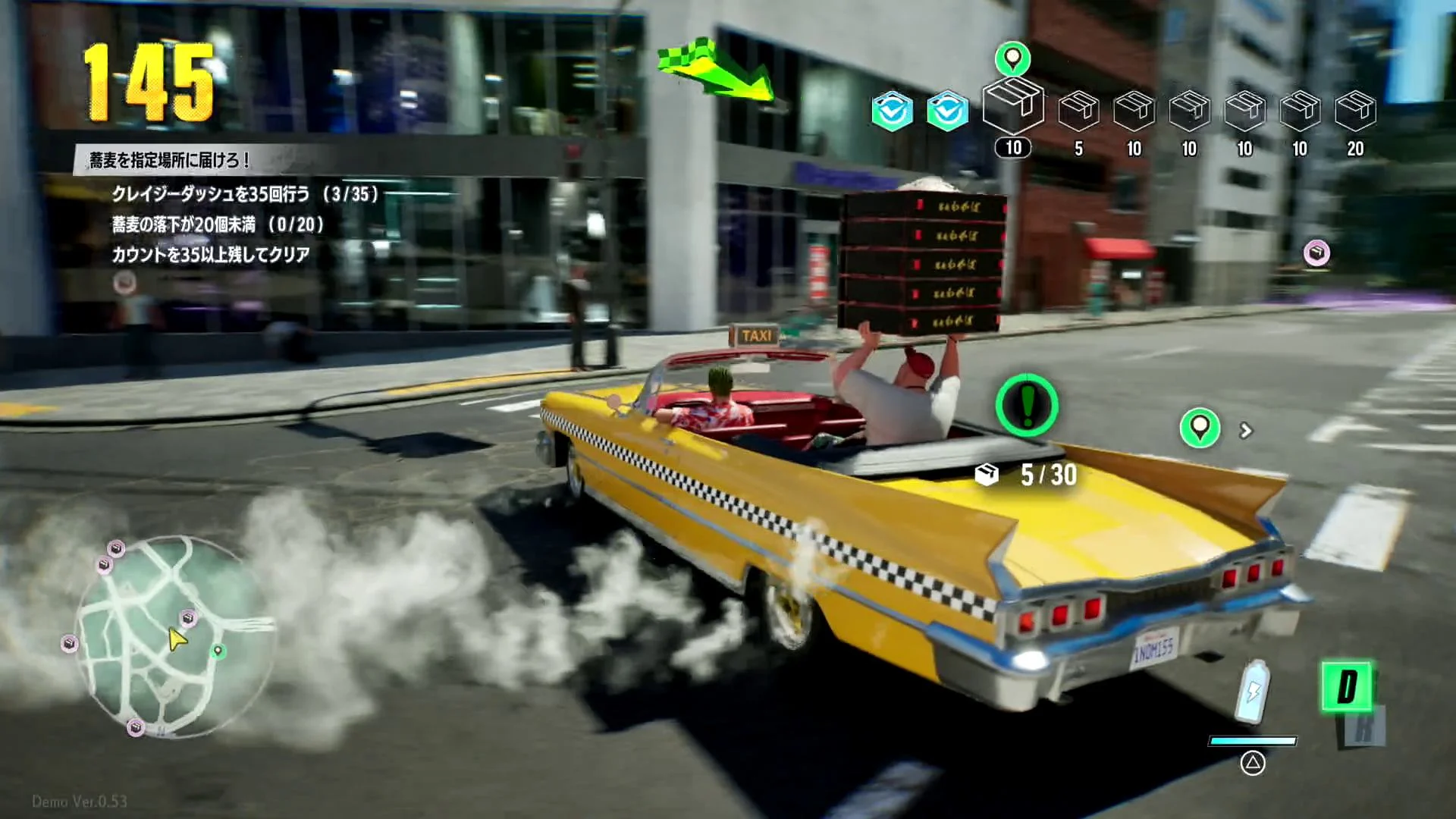
SEGA’s classic Crazy Taxi series is set to make a comeback in 2027 with Crazy Taxi: World Tour, scheduled to release for PC, PS5, Xbox Series X❘S, and Nintendo Switch 2. Ending the franchise’s hiatus of around 25 years, the new title brings back extreme taxi driving with a globe-trotting story campaign, as well as features not seen in the series before, like a multiplayer mode.
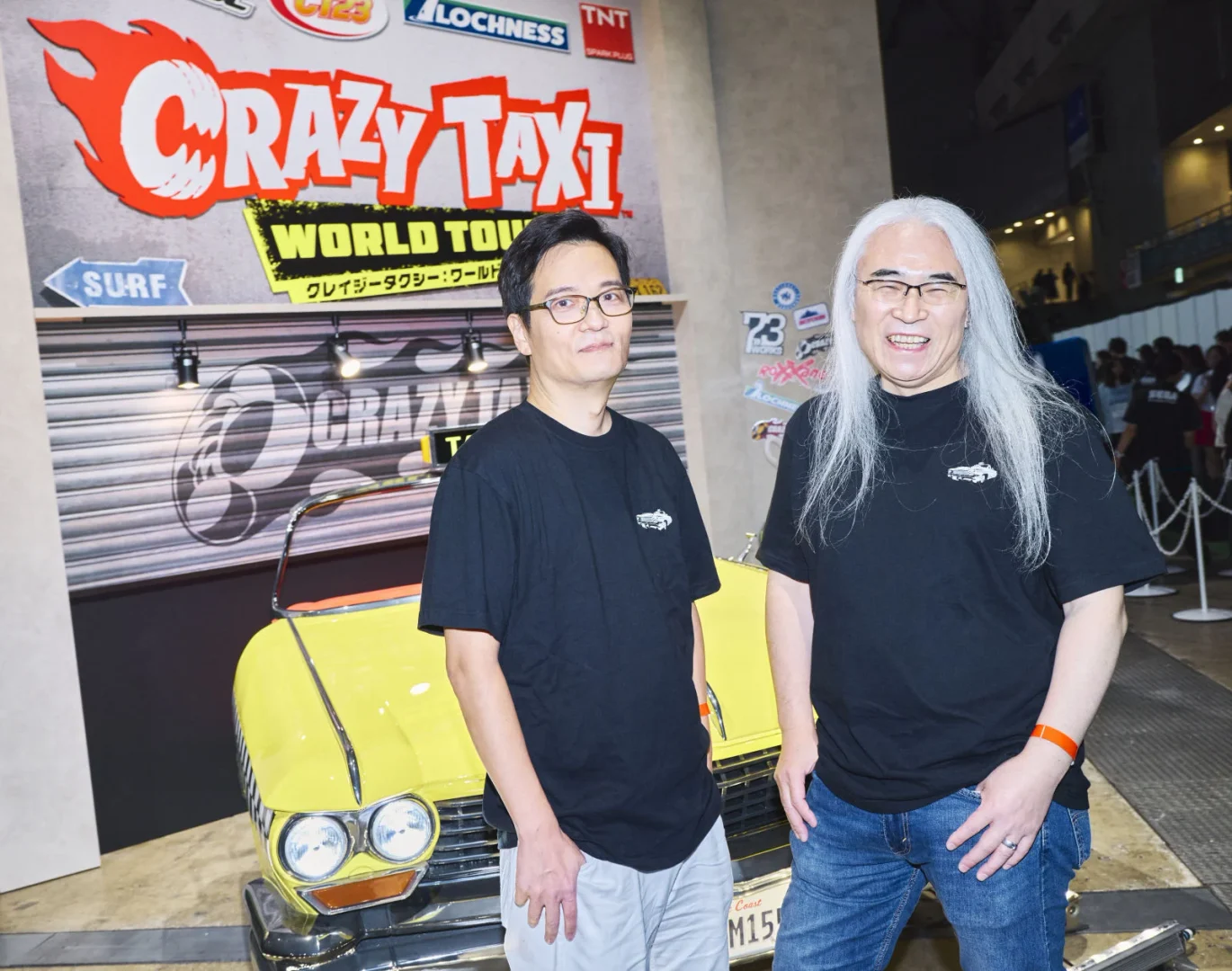
Crazy Taxi: World Tour’s developer recently revealed new information about the game, including a map set in Japan. Ahead of the reveal, AUTOMATON had the opportunity to interview creative producer Kenji Kanno and director Yo Momotani. In this installment, we focus on why Crazy Taxi is making its long-awaited return and how development of the new game came about. The developers also talked about their efforts to preserve the series’ identity while creating a brand-new, modern console game.
Crazy Taxi returns thanks to a series of miraculous coincidences
—Could you please introduce yourselves?
Kenji Kanno (hereafter Kanno):
I’m Kenji Kanno, and I’ve been involved in Crazy Taxi’s development since the first game. I was there from the series’ initial planning stages. On the first Crazy Taxi, I served as director and game designer. I also worked on the development of Crazy Taxi 2 and Crazy Taxi 3: High Roller (2002), and starting with Crazy Taxi 2, I also took on the role of producer. On our latest game, Crazy Taxi: World Tour, I’m involved in development as creative producer.
Yo Momotani (hereafter Momotani):
I’m Yo Momotani, and I’m the director of Crazy Taxi: World Tour. I didn’t work on any of the previous Crazy Taxi games, so this is my first time being involved in the series. Before working on this project, I was a director on Border Break. I originally come from the arcade game side of the industry, so I’ve worked on various arcade titles besides Border Break.
—Crazy Taxi: World Tour is the first new entry in the series in around 25 years. How did the project come about?
Kanno:
Development of a new Crazy Taxi game started after several things happened to line up almost miraculously. The timing when my vision for a new Crazy Taxi game had taken shape overlapped with the timing when my boss started considering a revival of Crazy Taxi, which also overlapped with the timing when Sega decided to create new games based on its older IPs. When those three things came together and we were able to start developing a new Crazy Taxi, I felt like I’d hit the jackpot (laughs).
Another major factor was that this happened around the time of an internal company reorganization, which made it easier to assemble a development team. It’s actually quite rare for the timing to line up this well. Even if the company wants to release a new game, there are cases where you can’t gather the people you need.
Conversely, there are also cases where developers want to make something, but they can’t because it doesn’t align with what the company is going for at the time. There are many such mismatches within game companies. The fact that things came together so smoothly this time is, I think, proof that everyone was thinking about Crazy Taxi from the same perspective.
I’m also of one of the people who kept thinking about Crazy Taxi this whole time. As a developer, I’ve moved between various departments at Sega and worked on everything from arcade games to console and mobile games. After gaining all that experience, I’d always wanted to bring a new Crazy Taxi to the world as a console-oriented title. Since so many things happened to line up almost miraculously, we were able to announce the revival of Crazy Taxi at The Game Awards 2023.
Momotani:
I’ve loved arcade games since before I became a developer. I was also a fan of Crazy Taxi starting with the original arcade version, and when I joined Sega, I already knew Kanno as a developer on the Crazy Taxi series. So when I heard that a development team was being formed for a new Crazy Taxi, I asked if I could join it.
Kanno:
When it was decided that we would make a new Crazy Taxi, I learned that Momotani wanted to join the development team, so I asked my boss at the time to include him. Momotani and I then actually sat down and talked, and we really hit it off in our desire to develop this new game together. My boss and Momotani’s boss both gave their approval, which is how the current dev team structure for Crazy Taxi: World Tour came about.
After talking with Momotani several times, I started thinking he should oversee the overall direction of the game, so I asked him to become the director. However, his response was, “I’m not so sure about that” (laughs).
Momotani:
There was a reason I initially refused (laughs). I’d never worked as a director on a console game before, so when it came to taking on the director role for a large-scale game like the new Crazy Taxi, I honestly told Kanno that I didn’t have the confidence. At the same time, I still strongly wanted to be involved in developing the new Crazy Taxi. Since I had that motivation from the beginning, I ultimately ended up accepting the director role.
Even though I’m the director of Crazy Taxi: World Tour, it’s been a huge help having Kanno involved in the project as creative producer. Kanno has experience working on several titles as a director, so he’s a reliable producer who understands the development process. When someone understands the development floor, it makes it possible to communicate smoothly. I think I was able to take on the director role because we were able to establish a development structure where I could consult with Kanno whenever necessary.
New gameplay designed through thorough examination of Crazy Taxi’s identity
—What does the development team for Craxy Taxi: World Tour look like in terms of veteran staff vs younger developers?
Kanno:
There are really very few people on the team who’ve previously worked on a Crazy Taxi game. Even including myself, I can only think of one or two people. In terms of the ratio between veterans and younger developers, about 99% of the team consists of developers who weren’t involved with the original Crazy Taxi. The previous game, Crazy Taxi 3: High Roller, was released in 2002, and a long time has passed since then. Almost none of the members who were originally part of the Crazy Taxi development team remain from then.
Momotani:
Yes, apart from Kanno, there are almost no members on the Crazy Taxi: World Tour development team who worked on the previous games at the time they were originally made. Even so, having Kanno, who worked on the first game, allows us to guarantee that Crazy Taxi: World Tour is a true sequel to the series.
Kanno:
Although the original members are no longer around, I’ve been talking with various staff members on this project. I frequently discuss things with Momotani, the director, and I also regularly have meetings with the art director.
Both Momotani and I have been working directly on map design alongside the development team. There were periods when we spent several months working on maps almost every day until the evening. I also have many discussions with Momotani about the content of the missions, and I still communicate directly with the development staff.
—Since this is a new game after a gap of around 25 years, I imagine there are many developers on the team who didn’t experience the previous games when they were originally released. Was there anything you were able to evolve or do differently in Crazy Taxi: World Tour precisely because of this?
Kanno:
When I communicate the vision I’ve come up with, Momotani, who is closer to me in generation, may empathize with it, but there are times when younger members don’t immediately understand what I’m talking about. However, I think them sometimes responding with “I don’t get it” ended up helping us break away from the old Crazy Taxi in a good way.
Even when something didn’t get across immediately, whenever I’d say, “This is the kind of mindset I want to prioritize,” the younger developers would respond with their own ideas about how it could be achieved, which was a huge help. I believe that the fact that my generation – “the older guys” – and the younger generation were able to work on Crazy Taxi: World Tour on equal footing gave us the confidence to release this new title to players of all ages around the world.
—What was the most difficult aspect of rebooting Crazy Taxi for a modern audience, given the series’ easy-going nature?
Kanno:
This is just my personal view, but with so much negative news these days, I think there are a lot of people who would appreciate having content that makes them laugh and gets them excited. I had an especially strong desire to make as many people smile as possible. And when I discussed this goal with the staff, they were on the same page. We’ve been developing the game with the hope that, even if it’s only while they’re playing the game, we can put a smile on people’s faces.
Making that ideal a reality is difficult though, and everyday development was a constant series of challenges. That said, I think that’s true of any game, and rather than dwelling on those difficulties, I was more focused on delivering the user experience we were aiming for through our day-to-day development. Ultimately, I think the fact that the entire development team pursued the user experience we had agreed upon is what made Crazy Taxi: World Tour shape up into good game. I decided from the beginning to stick to my original vision, but I’m sure there were aspects that made things difficult for other members of the development team.
Momotani:
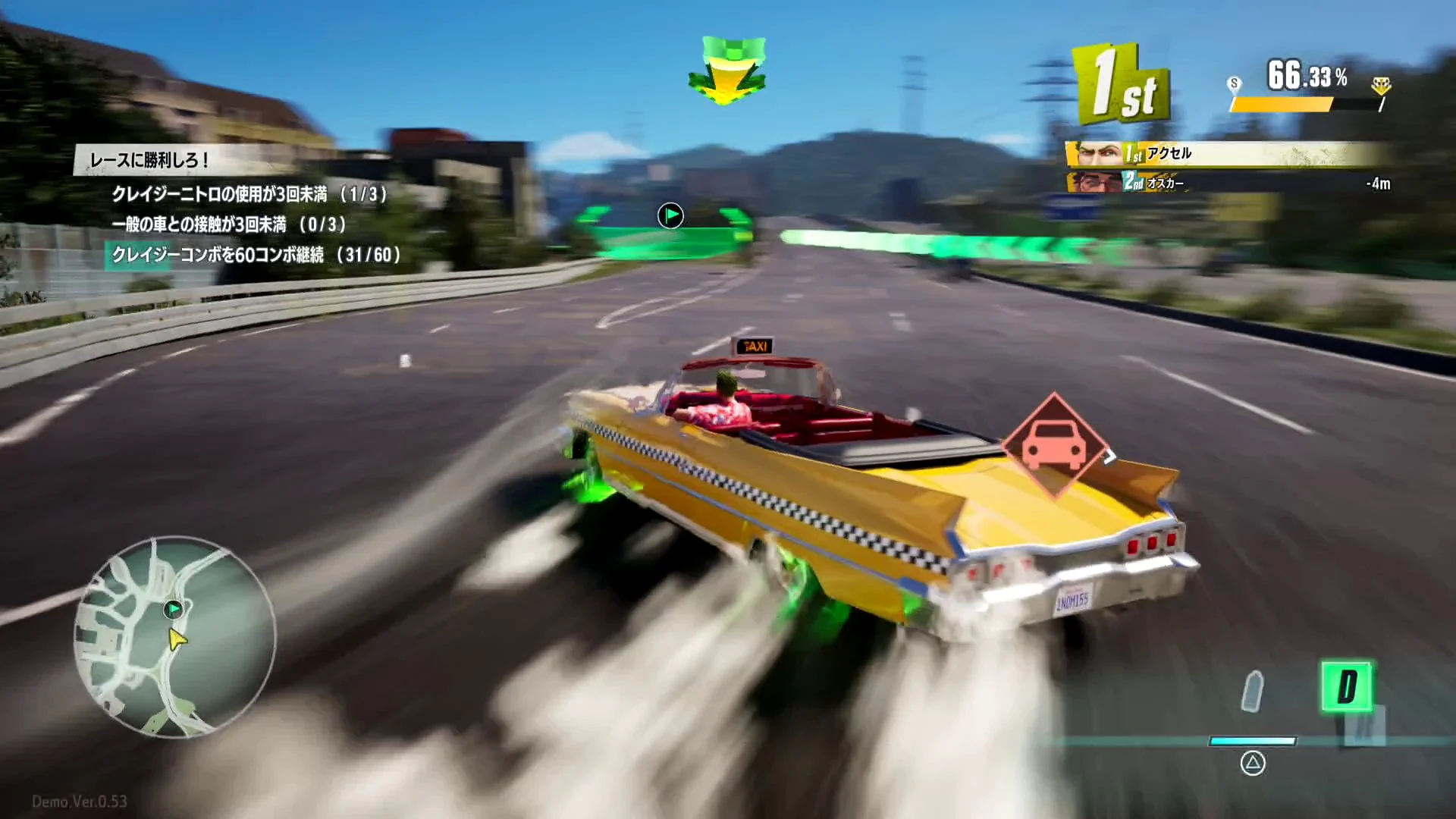
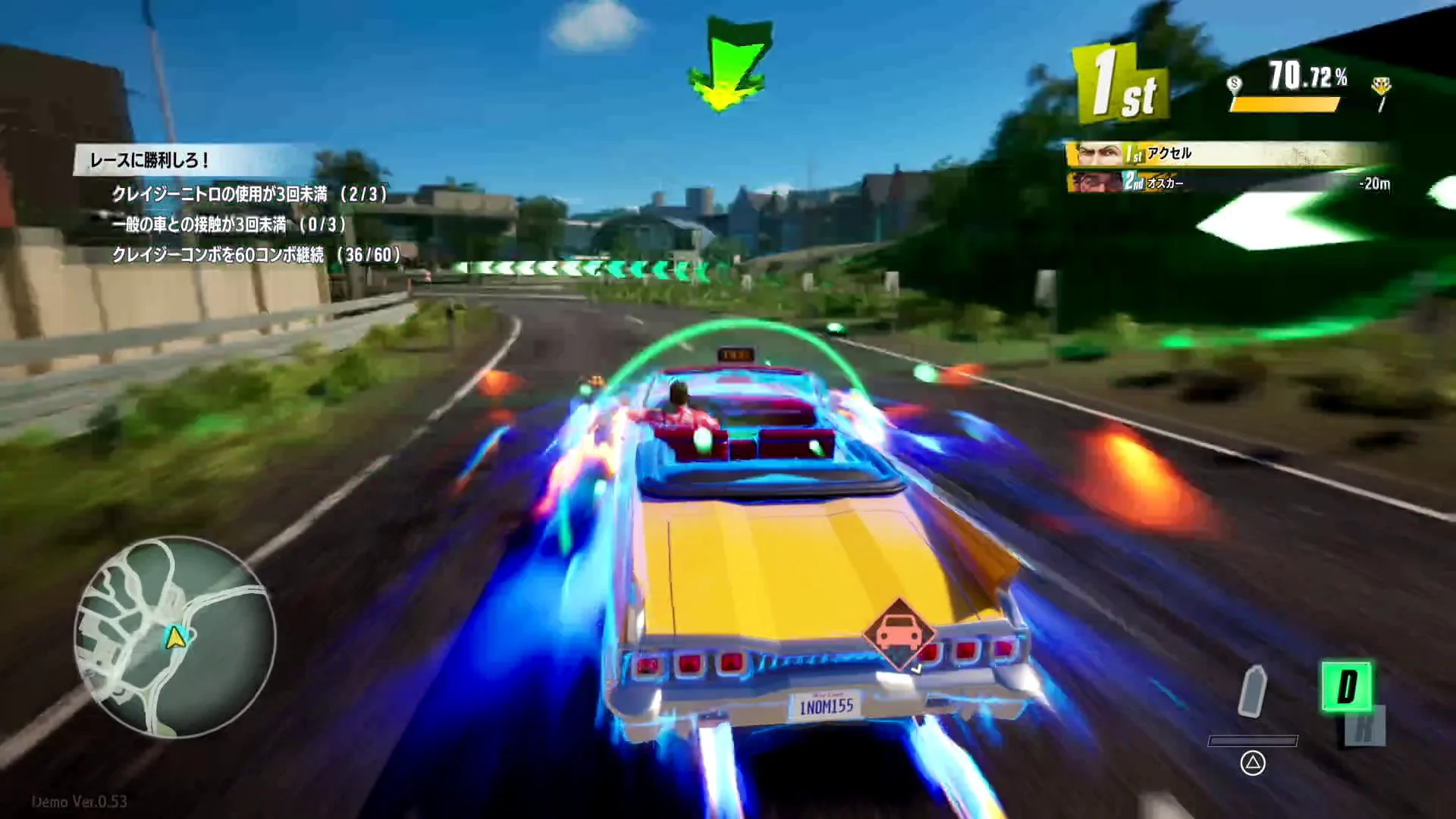
I had a lot of discussions with Kanno about what Crazy Taxi actually is. It’s not fantasy; it’s based on reality, but at the same time, it has this over-the-top quality to it. With that concept in mind, we spent a lot of time considering what kind of gameplay would be appropriate. Even when we came up with an idea that seemed like it would work, there were times when we spent a considerable amount of time thinking about whether it might stray too far from what Crazy Taxi’s identity. It was quite challenging.
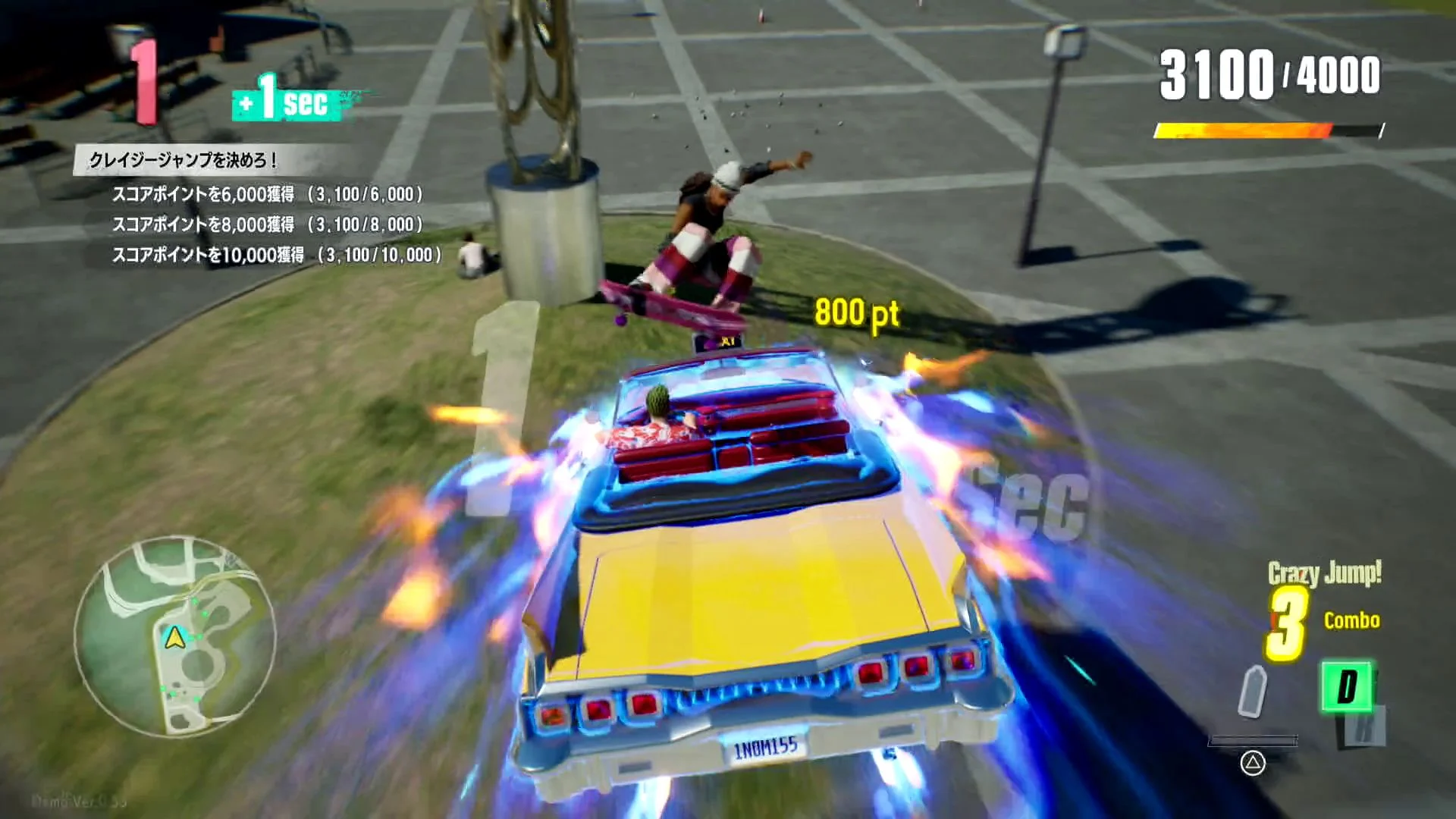
Because we’ve thought so carefully about it, I think Crazy Taxi: World Tour has a lot of gameplay that wasn’t present in previous Crazy Taxi games. But even if some of these elements might initially seem like they depart from Crazy Taxi, I think that once people actually play them, they’ll feel an unmistakable Crazy Taxi-ness.
Recently, we’ve been able to offer people opportunities to try the game at events and elsewhere, and we’ve started hearing people say that Crazy Taxi: World Tour really feels like a new Crazy Taxi game. We’re extremely happy to see that kind of response.
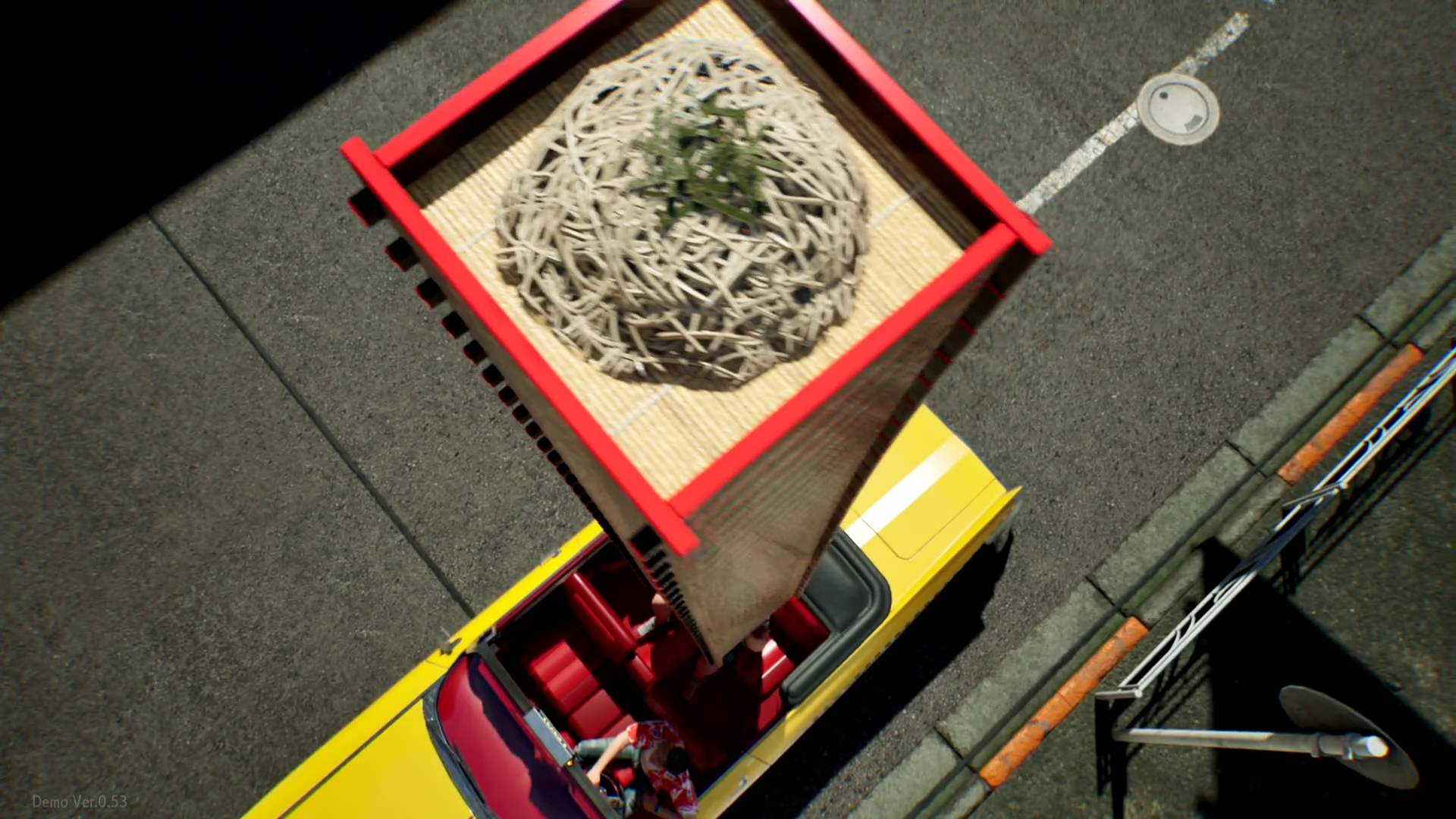
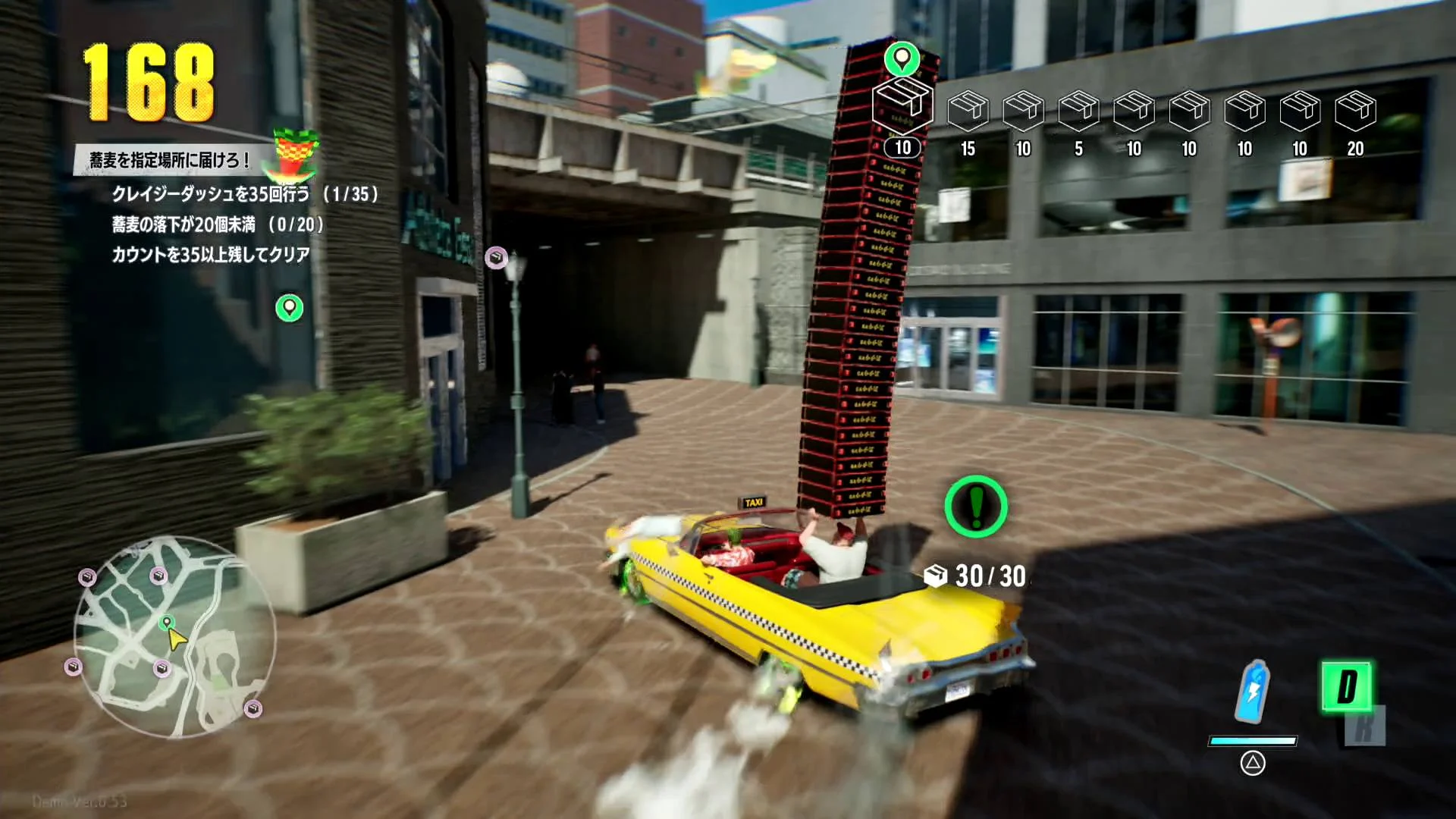
Crazy Taxi: World Tour is scheduled for to launch in 2027 for PC (Steam/Microsoft Store), PS5, Xbox Series X|S and Nintendo Switch 2.
[Interviewer, writer: Ryuichi Kataoka]
[Editor: Ayuo Kawase]