

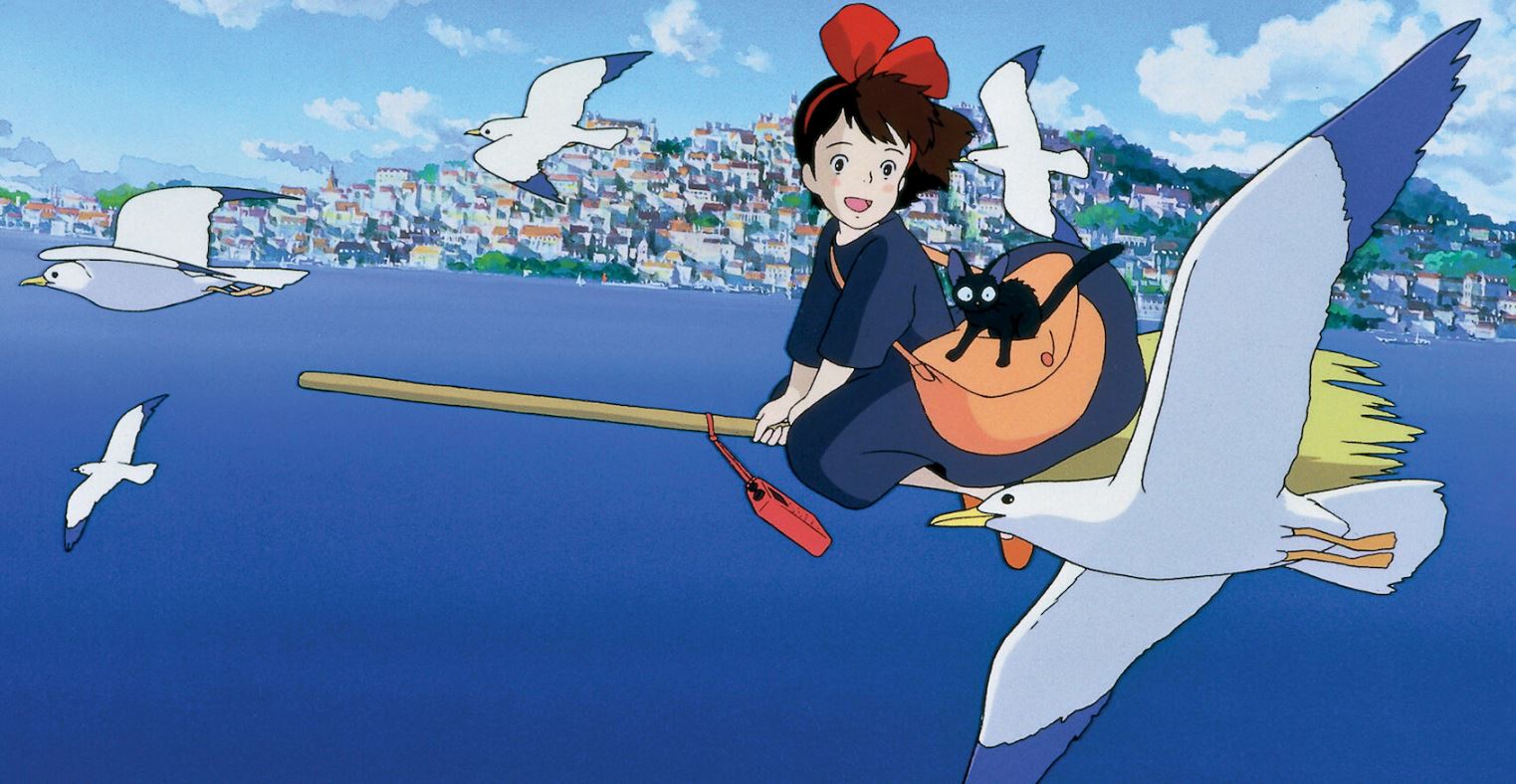
Japanese author and journalist Soichiro Matsutani recently brought attention to the issue of the intentionally created “scarcity” of Studio Ghibli films in Japan. While most Ghibli works are available on popular streaming platforms like Netflix and HBO Max to international audiences, they cannot be viewed on any streaming service within Japan. Instead, viewers typically wait for films to be broadcast by Nippon TV (the parent company of Studio Ghibli as of 2023), or rent or purchase physical media like Blu-Rays.
Moreover, as Matsutani writes for Yahoo Japan’s expert column, it can be years before a film gets its turn to be broadcast on television. In May 2026, Nippon TV’s “Friday Roadshow” (which has historically broadcast Ghibli films since the 1980s) will air Kiki’s Delivery Service for the first time in 4 years, while Whisper of the Heart will be making a comeback after over 7 years. Matsutani suggests that with such long gaps, it’s questionable how much Studio Ghibli classics are actually reaching younger audiences.
This especially affects non-Miyazaki titles, such as films directed by Isao Takahata or Hiromasa Yonebayashi, which get even fewer airing slots. While it’s natural for Nippon TV to favor titles that secure stable ratings and the highest ad revenue, Matsutani points out that this has significantly diminished opportunities to watch many Ghibli films, which puts them at risk of fading from viewers’ memory.
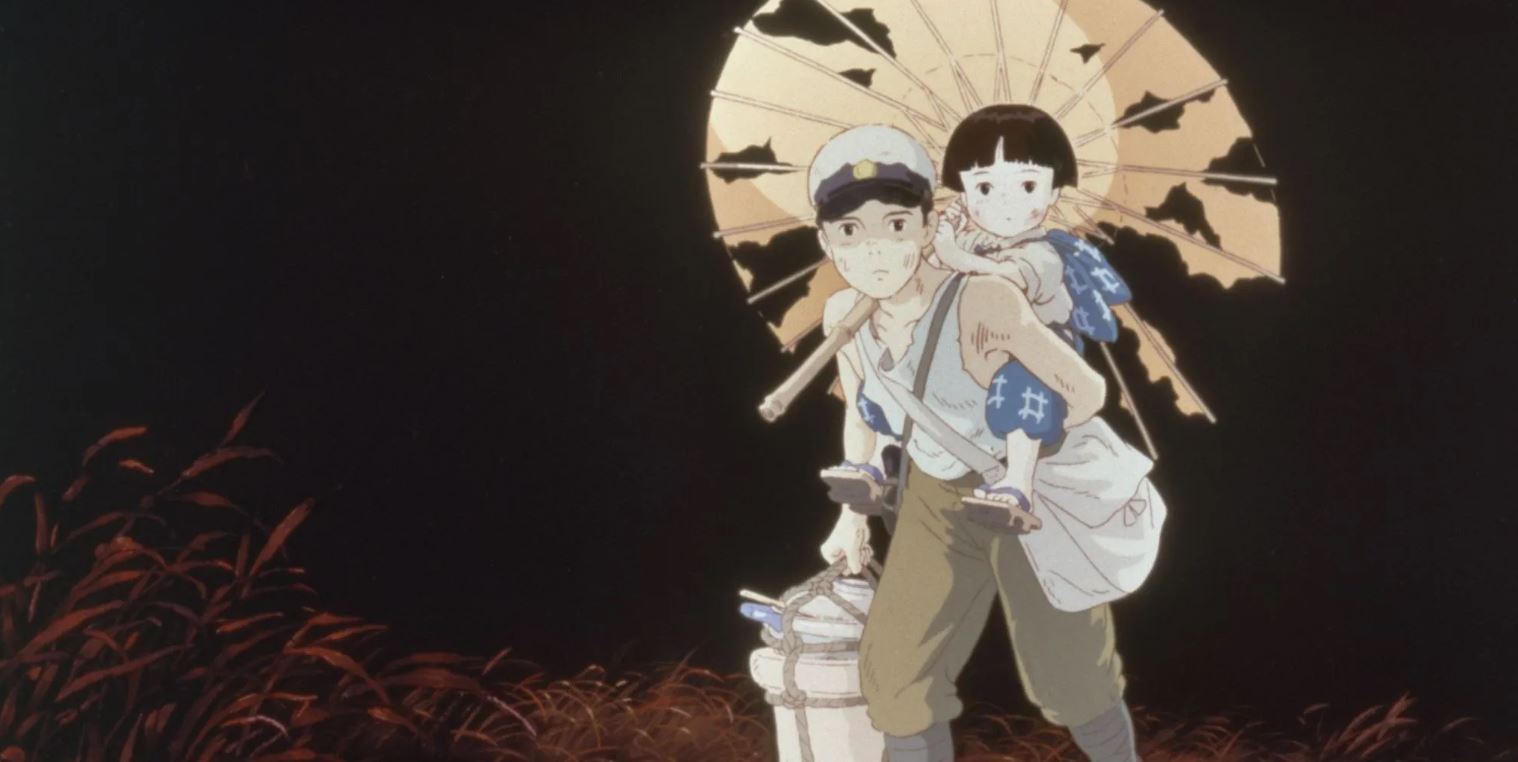
This seemingly outdated reliance on television appears to be intentional, as Nippon TV actually owns the streaming platform Hulu domestically too, yet still hasn’t made Ghibli films available there. Matsutani speculates that by keeping the films hard to access, the company’s aim is to raise their value through scarcity and secure reliable advertising revenue from 4 to 8 annual broadcasts, defending the position of television.
But as streaming platforms increasingly grow into a dominant viewing format for entertainment, kids growing up without a TV at home, accustomed to watching content “on demand,” have virtually no opportunities to encounter Studio Ghibli films, which could lead to a “gap generation” that has only heard of their fame but never interacted with them.


This was Disney’s purpose in purchasing Ghibli, to bury them and make people forget. It’s working.
Hmmm, Interesting take. Nippon TV wants to benefit from the scarcity and rarity of Ghibli Films being aired but in doing so they are probably reducing its popularity in return. Especially with the new audiences who are more likely to watch content on streaming platforms.
Man, even Disney gave up that scarcity (Disney Vault) idea. Nippon TV, please don’t let this happen to the outputs of one of Japan’s greatest studios.
what’s going on with these bot comments.. lol. disney has never owned ghibli at any point, not even minority stakeholdership. hell they don’t even have distribution rights anymore.
This, this right here is why video piracy is essential.