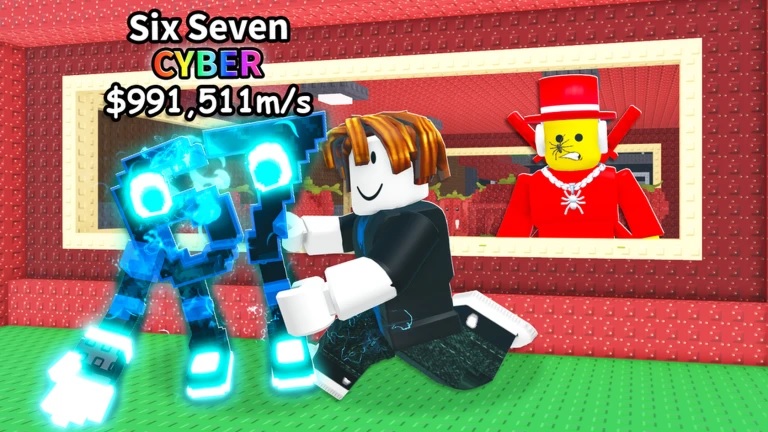
Steal a Brainrot, a Roblox-based mini-game centered on stealing collectible Brainrot-meme inspired characters has recently been gaining popularity in Japan following a “Brainrot boom” among Japanese children. However, according to Asahi Shimbun’s AERA with Kids magazine, the game’s grip on some children is beginning to affect their everyday lives, raising concerns among parents about its negative impact.
Brainrot content has become widespread in Japan as of late. Terms like “Italian brainrot” have moved beyond niche internet culture and even became a top buzzword among Japanese elementary schoolchildren, according to a recent research. The content, featuring AI-generated characters like Tung Tung Tung Sahur and Ballerina Capuccina, and paired with catchy songs and nonsense phrases, has spread rapidly across platforms like TikTok and YouTube. To illustrate just how huge the demand for the AI-generated characters actually is; Kadokawa, a major book and manga publisher in Japan, recently announced official children’s encyclopedias dedicated to Brainrot characters.
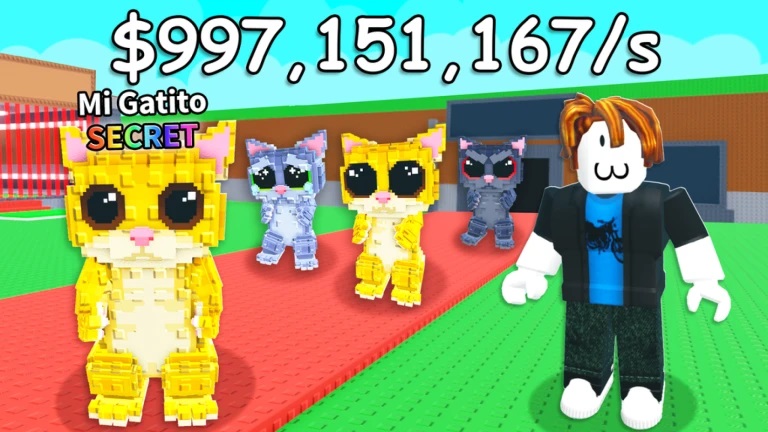
However, the Brainrot meme boom and the consequential popularity of Roblox’s Steal a Brainrot has led to some real-world issues, especially among elementary and middle schoolers. Conflicts among students have reportedly escalated from in-game item theft and online bullying to verbal abuse and physical altercations on school grounds, like one child nearly getting pushed down the stairs following an in-game dispute, as reported in AERA’s interview with parents. Moreover, the timing of international game events, which often occur at 3:00 or 4:00 AM in Japan time, is causing severe sleep deprivation for children as they stay up through the night to participate. Financial concerns have also been raised, particularly among older students. Reports indicate that rare in-game items are being traded or sold among children via payment apps, sometimes for thousands of yen.
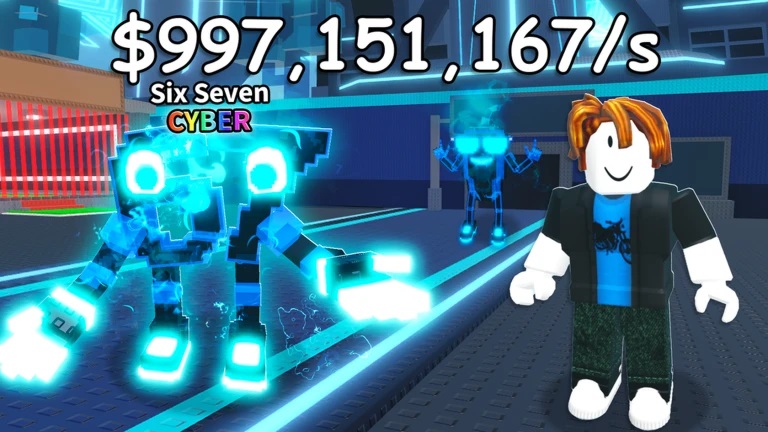
Online reactions suggest that, while the situation feels new in scale, the underlying behavior may not be. Some users explained similar conflicts have always been a thing, even back in the Famicom era, while others argued the real issue lies in how children’s sense of ethics is shaped nowadays, not in any specific game.
Still, many believe modern factors are amplifying the issue, particularly always-online platforms like Roblox with their aggressive monetization systems and frequent limited-time events. As one user put it, “New items, new gear, microtransaction after microtransaction … of course problems will happen,” suggesting that these mechanics can intensify addiction and in-game tension among younger players.
At the same time, some parents are expressing concern specifically about Roblox, with many describing a growing sense of distrust toward the platform. “It feels like it’s becoming harder for parents to know who their kids are with, what they’re doing, and when.”
Related
Chainsaw Man director’s next project is a Roblox horror game