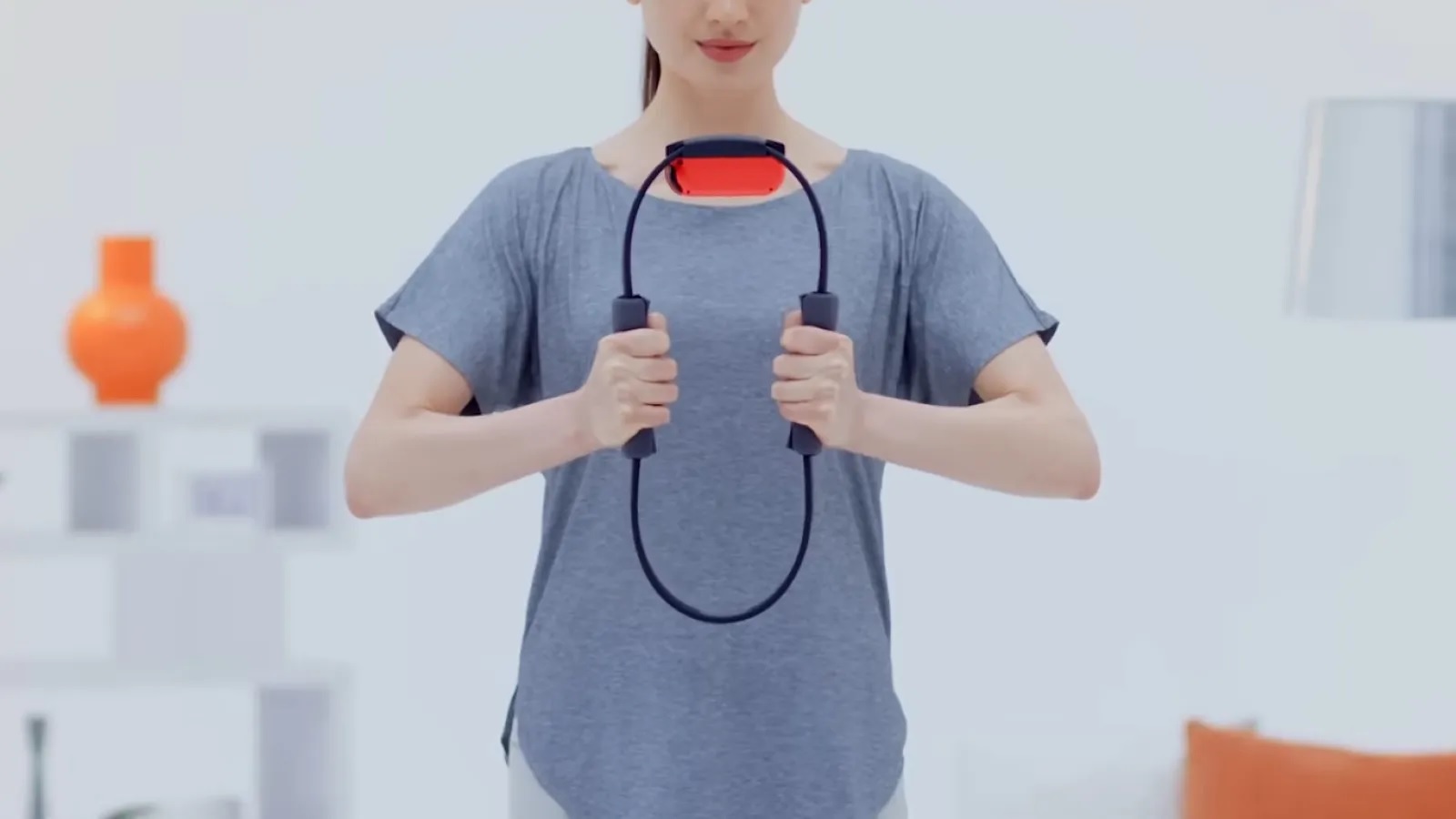
Ring Fit Adventure, released in 2019 for the Nintendo Switch, has researchers claiming that playing it regularly may be effective not only for the body but also for the mind. Kexin Huang and Lei Song, of Jilin University in China, led a controlled trial to see the effect Ring Fit Adventure has on individuals suffering ‘subthreshold depression’, categorized as people showing depressive symptoms but not diagnosed with major depressive disorders. While previous research suggested that continuous workouts were an effective solution, maintaining engagement and routine proved difficult.
The predicament led the Jilin University research team to naturally look to Ring Fit Adventure, as the game encouraged physical activity as a means of play. A trial was set up, looking into the exact effects the game has on subthreshold depression, monitoring sleep quality and symptoms of participants before and after semi-regular play sessions over the course of 8 weeks.
The study involved 84 participants, all diagnosed with subthreshold depression, who were selected across three universities in northeastern China. Of the group, half were in a special regimen that consisted of playing Ring Fit Adventure for 50 to 60 minutes at a time, two to three times a week, and for eight weeks. In contrast, the 42 remaining participants served as the control group and would go on with their normal daily lives.
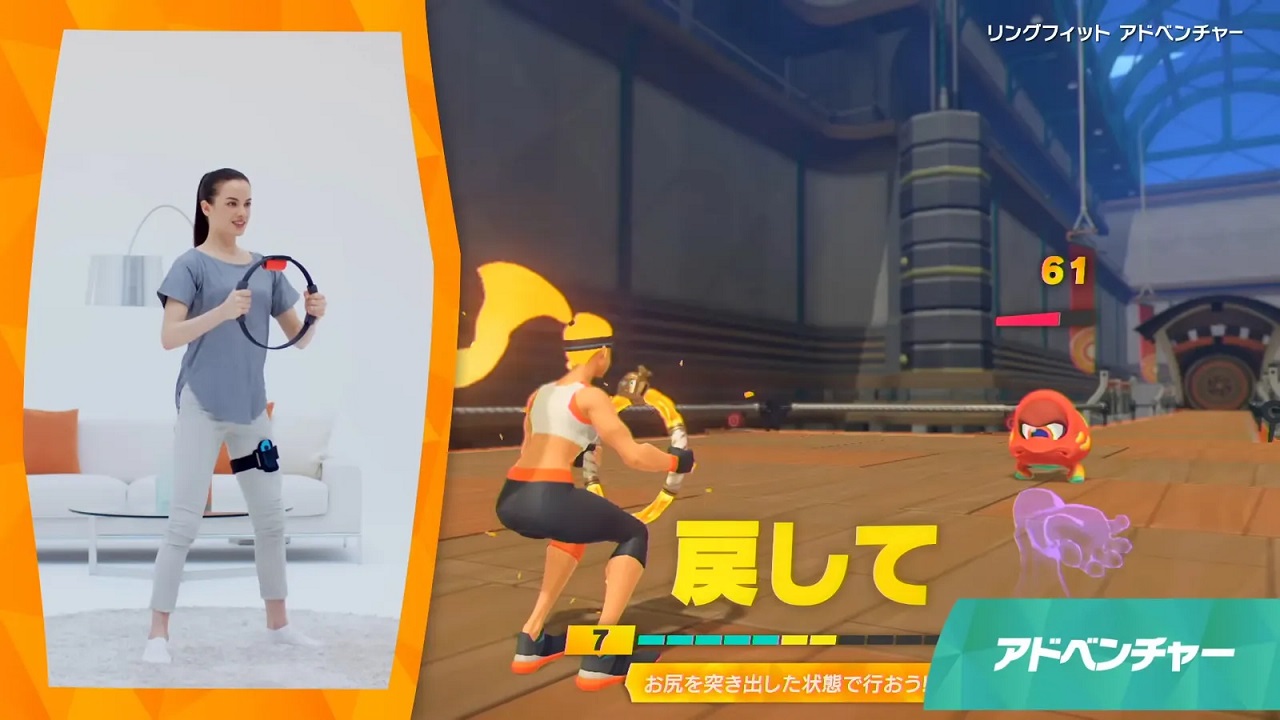
The results came in after 16 weeks, showing significantly fewer symptoms of depression and a better sleep quality for all the participants who played Ring Fit Adventure. While the results could not definitively prove how effective the game was in reducing anxiety, the numbers suggested that those who participated saw improvements in quality of life.
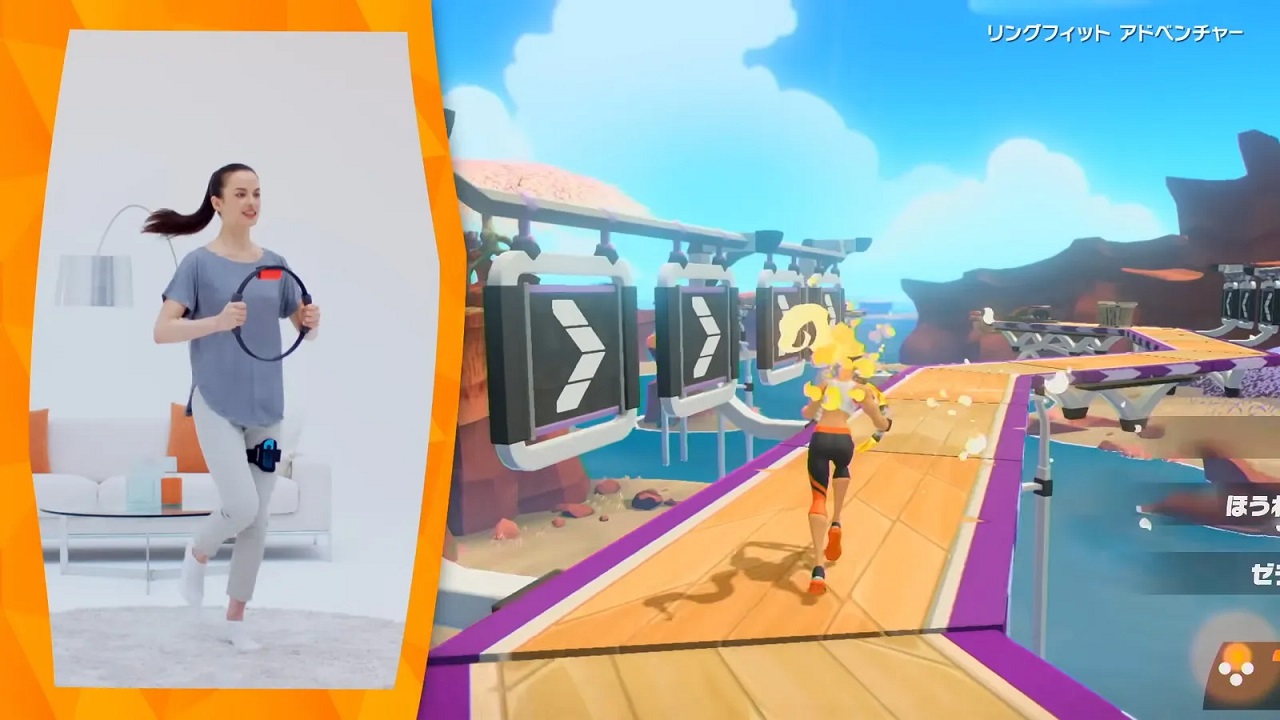
Interviews with the intervention group revealed that the game’s unique JRPG trappings, like exercise routines such as depleting enemy bars, and gradual character growth, helped motivate players to push themselves and keep coming back for more. Based on the results, the research team concluded that Ring Fit Adventure and other similar games are effective, and more importantly, accessible tools for early mental health support in real-world settings.
That said, some participants argued that other external factors may have contributed to their perceived quality of life. Some recounted that the lab environment where they exercised had played a role, as they never had to worry about the weather or the noise they made while doing reps. Others pointed out the added agency from lab staff regularly reminding participants of their regimen.
The scientists believe that additional research is necessary, looking into the effects the game might have when played in less controlled environments, such as playing alone at home. Further research may also focus on experimenting with different age groups or over different periods of time to determine similar effects.
On a related note, Ring Fit Adventure’s effect on the human body has been a topic of many discussions in the scientific community. Notably, a team at Chiba University looked to the game as a means to mitigate chronic back pain in 2021, similarly pointing to fitness games as an excellent way to motivate daily exercise.
Related articles:
Japanese psychologists are conducting “Anime Therapy” trials for young people struggling with mental health problems
Japanese scientists develop VR game content to relieve physical and psychological pain of child cancer patients undergoing rehabilitation