MELTY BLOOD: TWI-LUMINA is the latest entry in the Melty Blood fighting game series, a spin-off featuring characters from TYPE-MOON’s visual novel Tsukihime. It is the successor to 2021’s MELTY BLOOD: TYPE LUMINA, which was based on the Tsukihime -A piece of blue glass moon- remake. Ahead of its release next April, an early demo and media session were held for the game at Tokyo Game Show 2026. In this article, I’ll go over the new systems I got to try out in the demo, details on the new “Grand Scenario Mode” revealed during the session, and a brief Q&A with the developers.
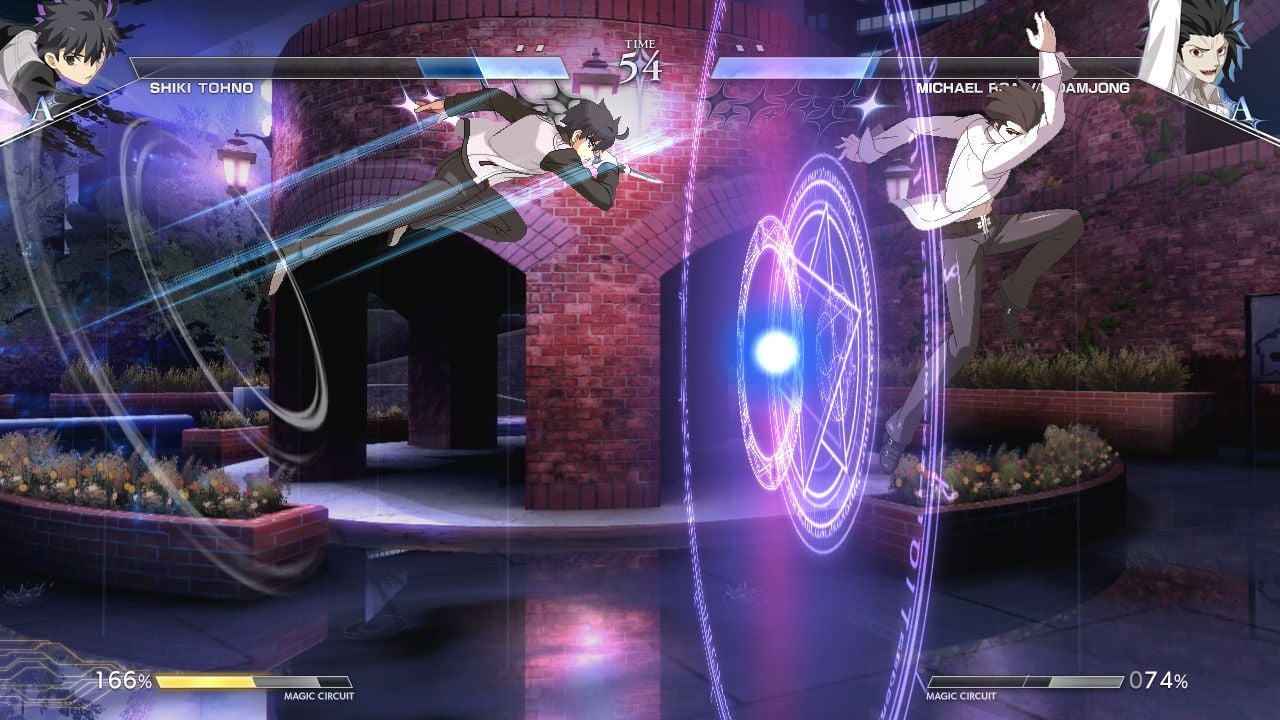
The new Act Mode and evolved Rapid Beats
Starting off with the demo. The most noteworthy additions system-wise are Act Mode and the Lumina Gauge. Act Mode is a new input mode being introduced for the first time with Twi-Lumina. The game’s traditional input scheme, on the other hand, has been named “Duel Mode” to distinguish between the two. Act Mode essentially offers simplified controls, allowing you to use one-button special moves, dashes, auto combos, and more.
The way one-button special moves work is pretty standard: you can perform command specials by combining a directional input with the special-move button. For example, a special move with a quarter-circle-forward command can be performed by pressing the special-move button while holding neutral, while one with a DP motion can be performed by pressing the button while holding forward.
One thing I noticed during the demo was that you can still perform special moves using their traditional commands while in Act Mode. Notably, there was a clear damage difference between one-button inputs and traditional commands. This isn’t based on visual observation of health bar changes, but rather on the fact that the in-game combo damage display clearly showed that one-button special moves dealt about 10 percent less damage (though, of course, these specifications may be subject to change in the final release).
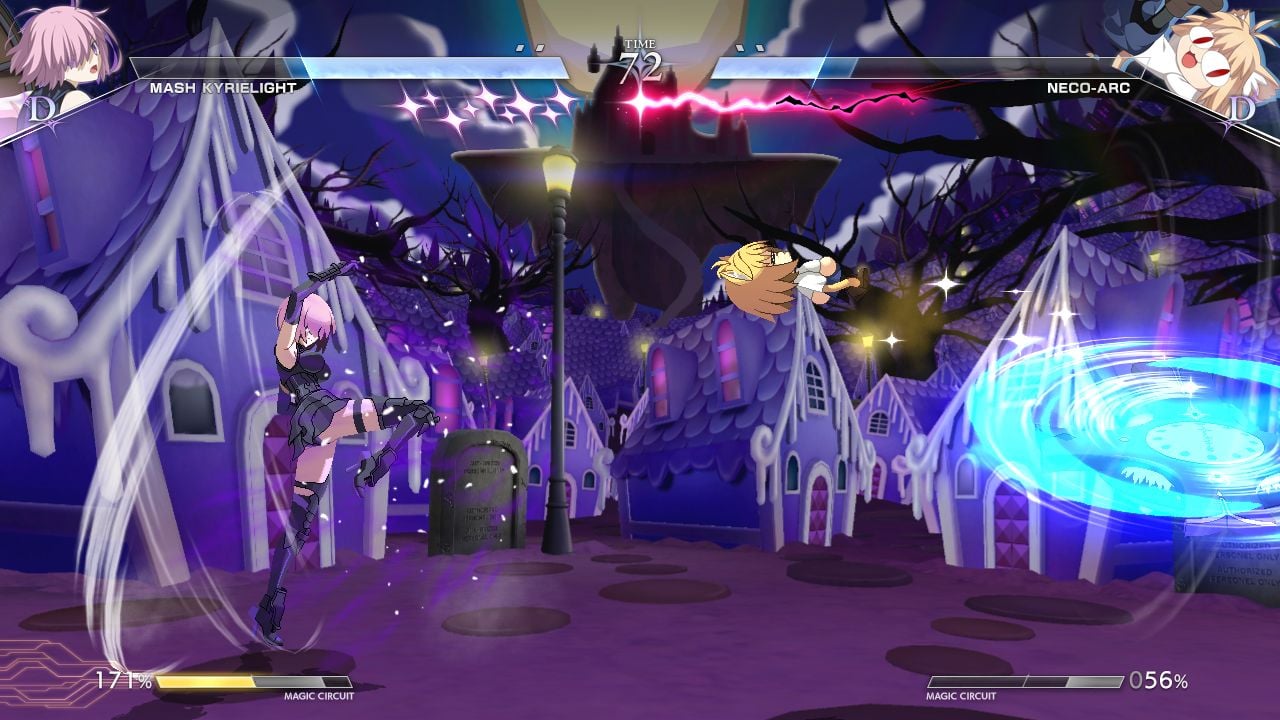
Next up is the auto-combo system. The original game already came with an auto-combo feature called Rapid Beat, but this has been taken a step further in Act Mode. Specifically, Act Mode allows you to use three types of Rapid Beats by repeatedly pressing the A, B, or C buttons.
The A-button Rapid Beat is the same as in the previous game, automatically performing an aerial combo after launching the opponent and finishing with an air throw. The B-button Rapid Beat routes into the Gauntlet mechanic, a new system that I’ll get into in more detail later.
When used during a combo, Gauntlet changes into a combo-part version with a longer untechable time. Since this Rapid Beat “loops” once it routes into Gauntlet, continuously pressing the B button effectively results in a looping combo that continues with Gauntlet enders for as long as the player has Lumina Gauge remaining.
Finally, the C-button Rapid Beat transitions into a route that leads to an Arc Drive, or a super. Since you can switch between the three types of Rapid Beats during a combo, it is possible to, for example, confirm that a ↓+A low attack has connected, switch to repeatedly pressing B to carry the combo through Gauntlet, and then switch to C to finish with an Arc Drive.
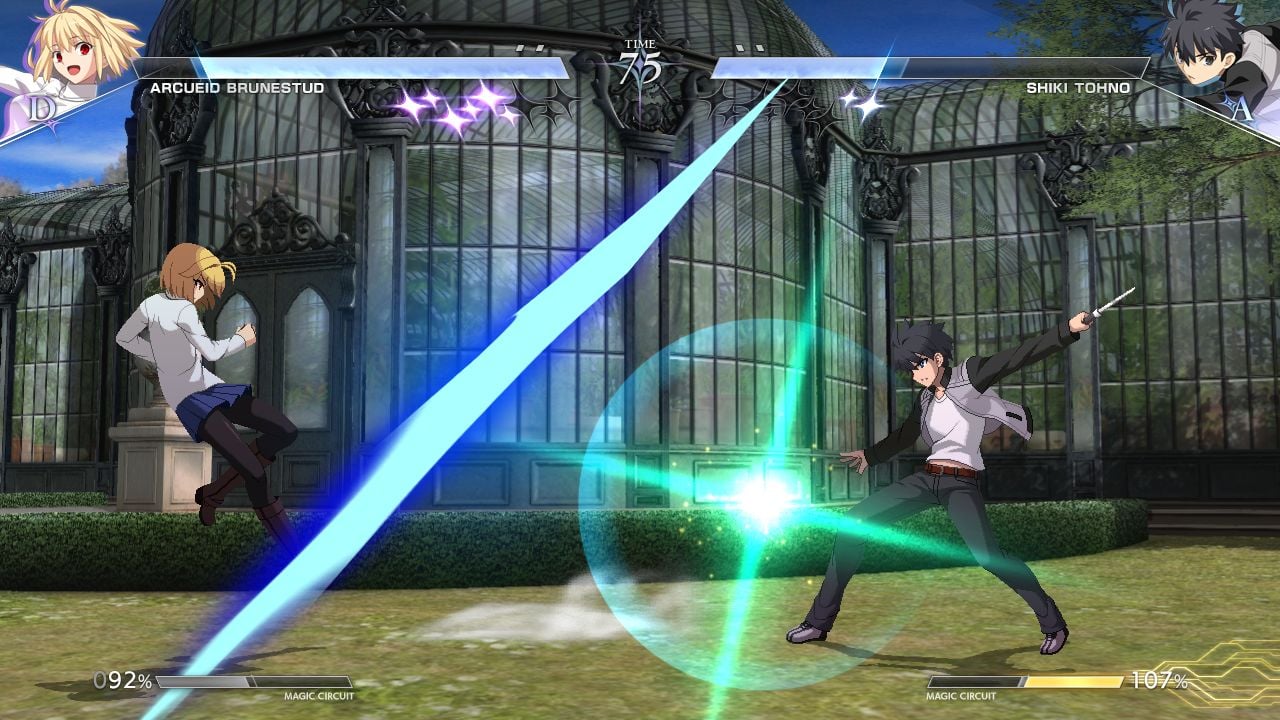
The Lumina Gauge replaces the Moon Gauge
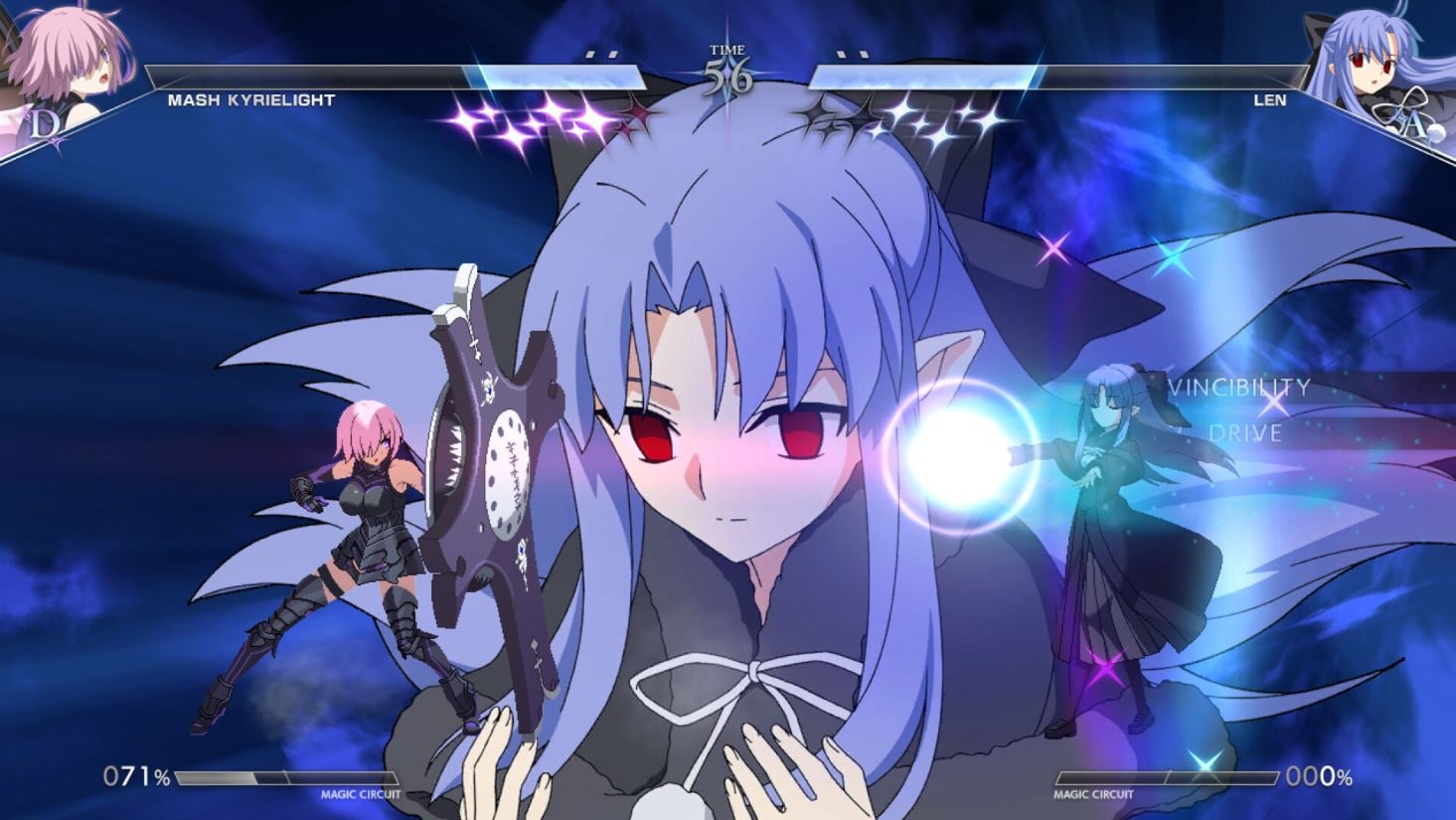
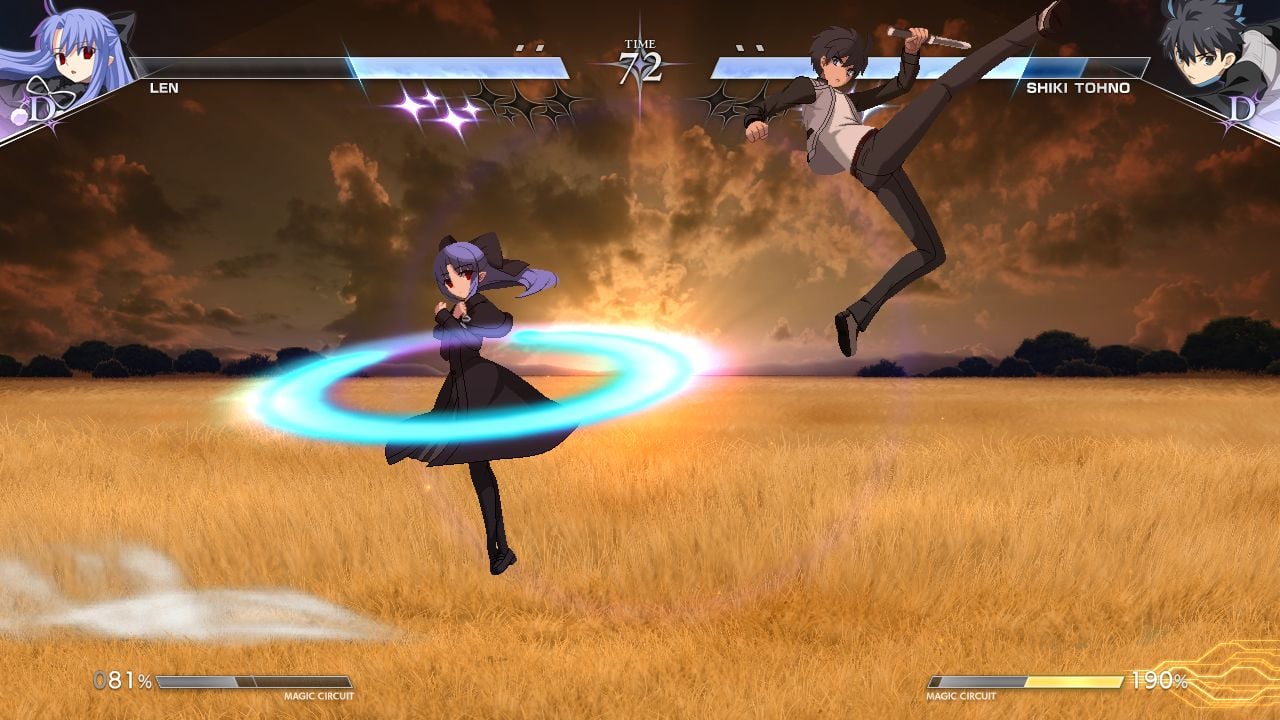
Finally, the Lumina Gauge. Displayed beneath the health gauge as a series of connected stars, this is a new system that replaces the Moon Gauge from Type Lumina. The Lumina Gauge increases through specific actions. Once it’s full, performing an action that consumes Lumina Gauge will cause the player to enter a “break” state. In this state, the player cannot perform any actions that consume Lumina Gauge, while incoming damage also appears to increase.
The Lumina Gauge generally decreases when you land attacks on the opponent, with an Arc Drive causing a particularly large decrease. It seems you’ll need to carefully manage both the Lumina Gauge and Magic Circuit while making use of powerful system mechanics that increase the Lumina Gauge, all while avoiding a break state.
Incidentally, although the Moon Gauge itself has been removed, Moon Drive skills remain and are one of the actions that increase the Lumina Gauge.
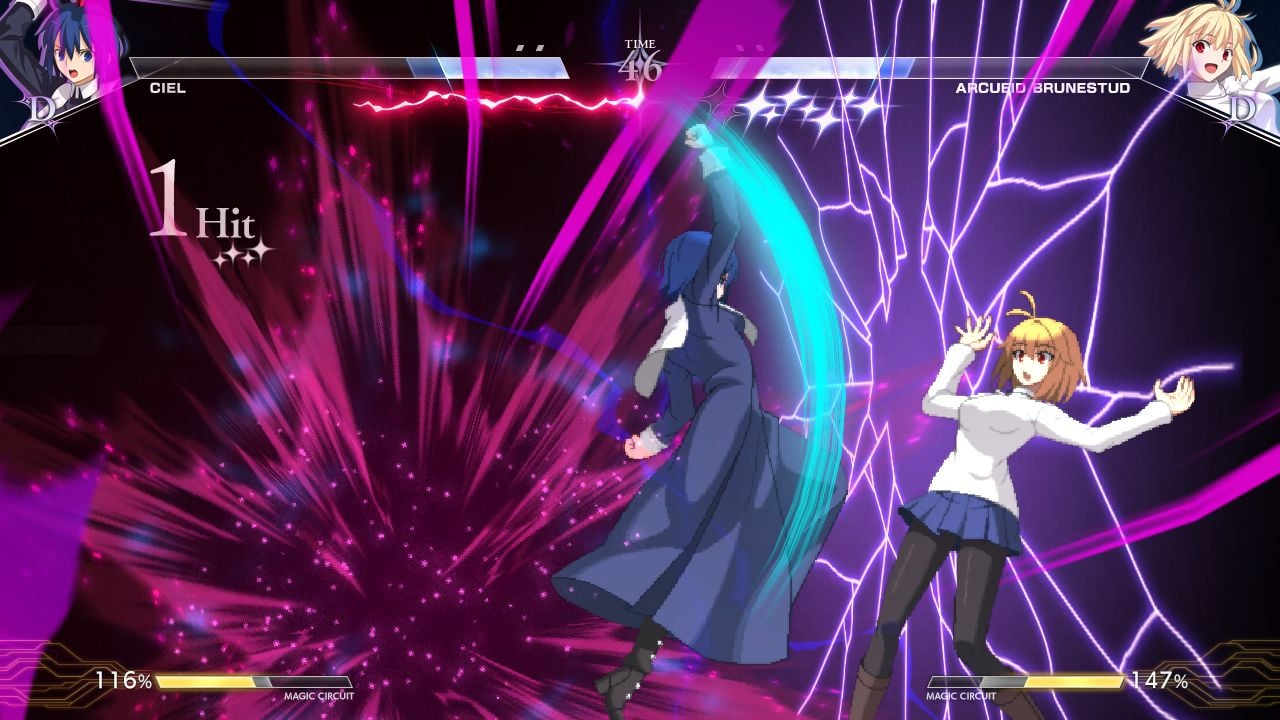
Gauntlet feels a bit like Street Fighter 6’s Drive Impact
As mentioned above, Gauntlet has also been added as a new system mechanic that increases the Lumina Gauge. Activated by pressing A+C simultaneously, Gauntlet is a rushing overhead attack with armor from the very beginning of its startup. It can be used to retaliate while absorbing an opponent’s attack, while a Gauntlet performed after the opponent’s can lead to a kind of “Gauntlet counter.” If it hits an opponent near the corner, it can also wall splat them and lead into a combo. For players familiar with Street Fighter 6, its overall feel is quite similar to Drive Impact. However, there are some important differences: Gauntlet cannot be followed up into a combo when it hits in the middle of the screen, and although it is an overhead attack, it can still be blocked.
As I briefly mentioned in the explanation of Rapid Beats, Gauntlet also changes properties when used during a combo. It becomes an attack with a long untechable period that launches the opponent, allowing it to function as a combo extender at the cost of Lumina Gauge. The demo also allowed us to try out the new character Len and introduced some adjustments to existing characters, including an additional special move for Shiki, as well as changes that allow certain special moves to be used without spending Arc Drive. However, it was difficult to cover everything within the 15-minute demo session, and there is a good chance some specifications will change in the final version.
The Grand Scenario Mode penned by Kinoko Nasu
The Grand Scenario Mode – one of Twi-Lumina’s major new features – was also detailed during a media session separate from the demo. This is essentially the game’s story mode, featuring a scenario newly written by Kinoko Nasu.
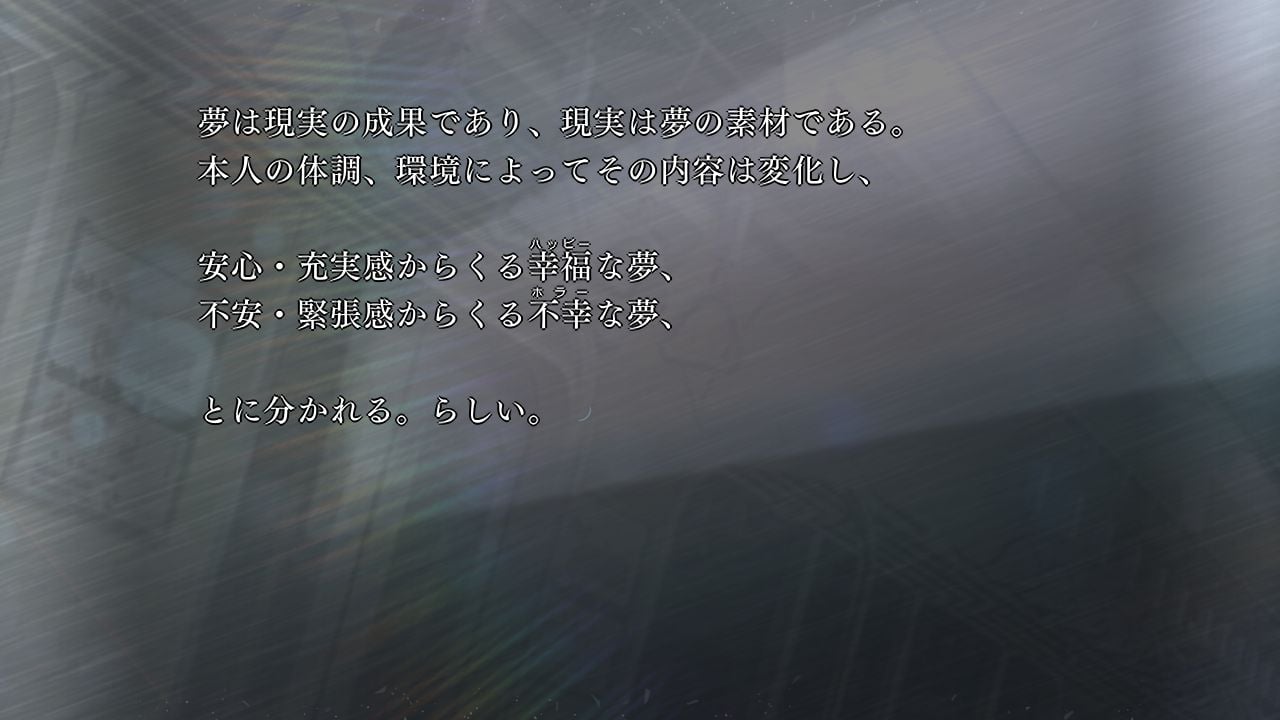
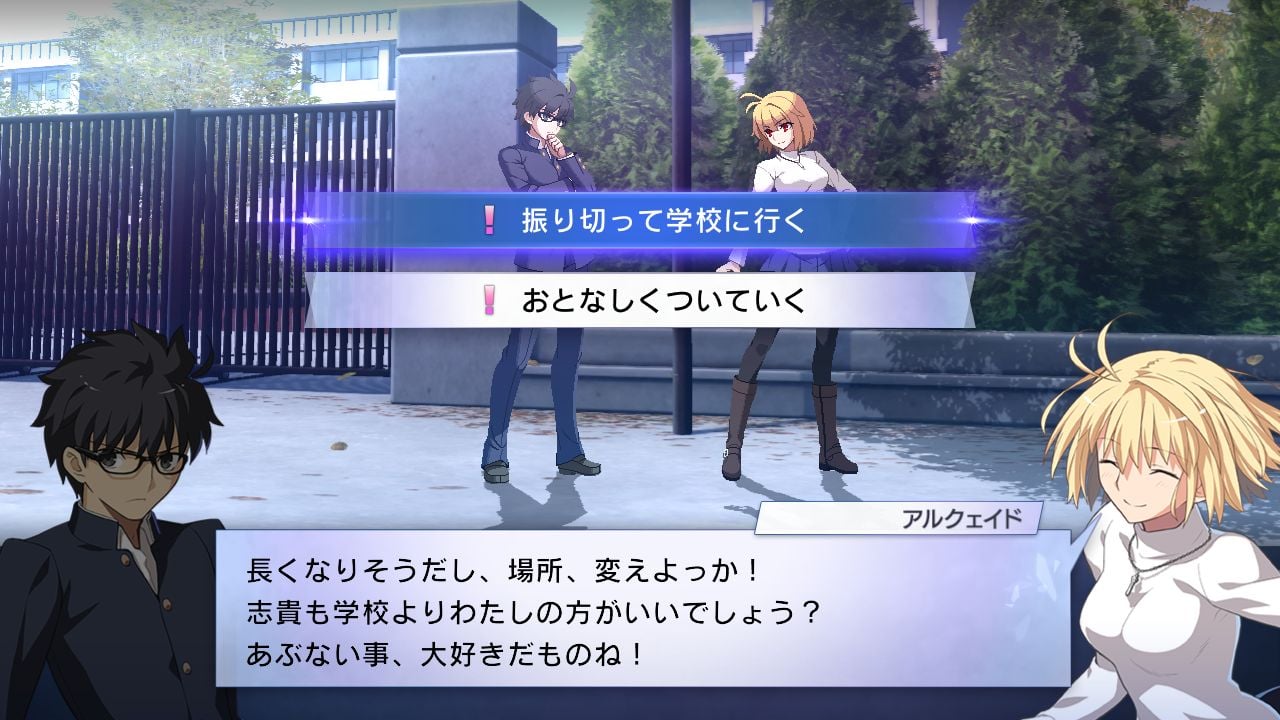
The overall UI evokes Tsukihime -A piece of blue glass moon-, with the mode consisting of visual-novel-style segments where players read text across the entire screen, and adventure game-style sections featuring character sprites alongside a message window at the bottom of the screen. Some sections also use pixel-art character sprites, while battles can appear depending on the story’s progression and the choices made. These are not simply battles against the CPU, either; as it appears players will sometimes face dedicated characters with special abilities exclusive to the Grand Scenario Mode.
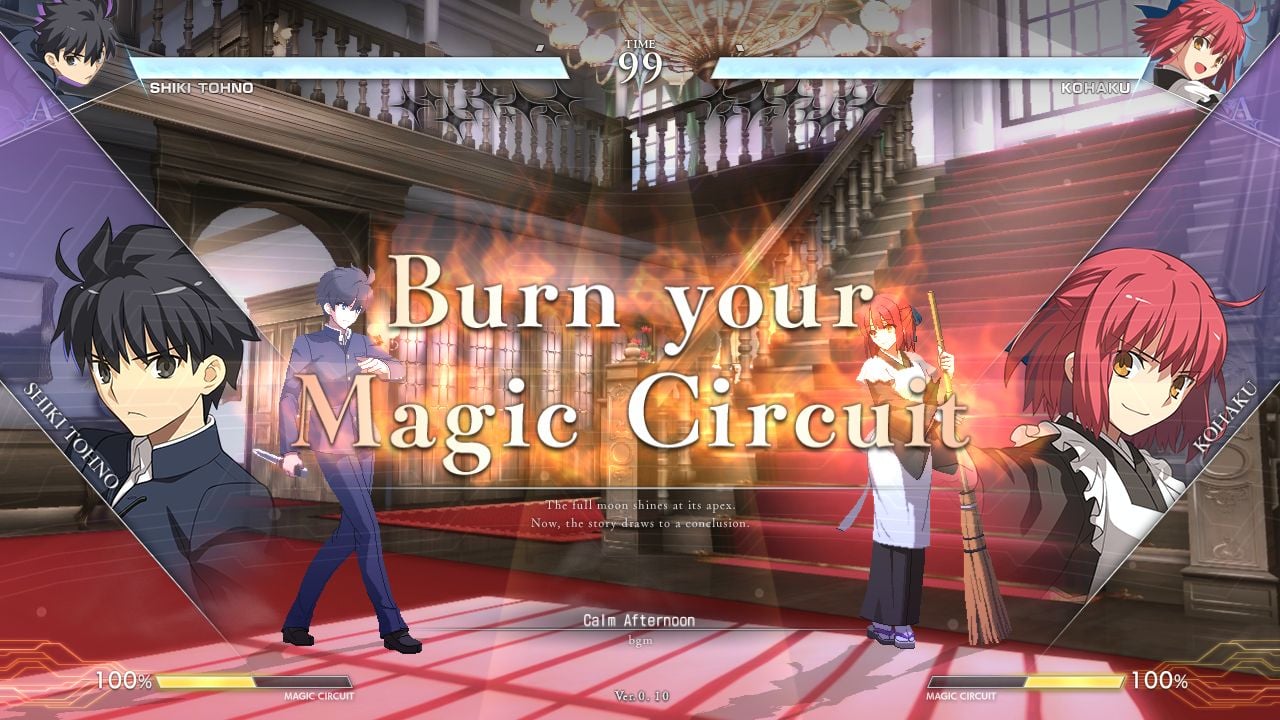
Most notable of all, however, is the sheer volume of content. The Grand Scenario Mode’s story reportedly contains around 20 hours’ worth of playtime, which is an exceptional volume for an accompanying mode in a fighting game. It might not be an exaggeration to say that TWI-LUMINA is a game that combines a fighting game with a visual novel.
Q&A with director Kamone Serizawa
Finally, here is a brief look at the Q&A session held during the joint media session. The questions were answered by game director Kamone Serizawa of French-Bread.
―Implementing a mode this heavily focused on the story in a new title seems like a fairly bold change in direction. Was there a particular reason behind this decision?
Serizawa:
As you say, this is quite a new undertaking, and we have put a considerable amount of effort into it in terms of development resources. The Melty Blood series has been around for a long time, so the foundation of the game itself is well established. We also have plenty of experience, and we’re confident that we can make a fighting game that is properly entertaining every time.
However, if that is all we offer, ultimately, only existing fans and fighting game fans will play it. One of the major appeals of the TYPE-MOON brand is the scenarios written by Kinoko Nasu, so we wanted to make the most of that and bring in a new audience. We also wanted to convey the appeal of fighting games to those players. That’s why we decided to put so much effort into the Grand Scenario Mode.
―Was the introduction of the Act Mode motivated by a similar reason?
Serizawa:
Yes, we introduced it so that players who purchase the game for the Grand Scenario Mode and aren’t experienced with fighting games can still properly enjoy it and experience what makes fighting games fun.
―The previous game featured collaboration characters from Fate. Will characters like those be involved in the Grand Scenario Mode this time?
Serizawa:
Since this is a scenario mode centered on Tsukihime and Melty Blood as its derivative work, collaboration characters will basically not play a role.
―Existing characters have also received adjustments. Could you tell us about the concept behind the balance adjustments?
Serizawa:
We have adjusted every character so that players can approach them with a fresh feeling as a new game. As for our overall approach, I think there were some aspects of the previous game that had become a little complicated, so we have organized those elements and made them more intuitive to play.
―Thank you very much.
MELTY BLOOD: TWI-LUMINA is scheduled to release on April 22, 2027, for PC (Steam), PS4, PS5, Xbox One, Nintendo Switch and Nintendo Switch 2.