COREBLAZER is an investment brand established by Hypergryph, best known as the developer of Arknights and Arknights: Endfield. Back in July, they held the “COREBLAZER GAME FEST 2026,” showcasing titles and developers backed by them.
Not a traditional publisher and not quite an outsourcing studio, COREBLAZER supports game developers through funding, business assistance, and insights on the global market among other fields. To find out more about the work they do, AUTOMATON recently talked to Kun, Strategic Investment Director at COREBLAZER.
—Please introduce yourself.
Kun:
My name is Kun, and I am in charge of COREBLAZER’s investment-related business in China and Japan. COREBLAZER is a game-focused investment brand under Hypergryph, the company that created Arknights and Arknights: Endfield. Our focus is on supporting creators and development teams making PC and console games.
I believe one of the major reasons games from Hypergryph were embraced by so many players was the strength of the content itself. We ourselves have grown through experiencing good content, so I believe that, ultimately, the things that create long-term value in the game industry are the games themselves and the people who continue creating them. In this sense, it may not be entirely accurate to describe COREBLAZER simply as an “investment firm”.
—Then, what kind of business does COREBLAZER actually conduct?
Kun:
Investment is just a means for us. What we really want to support is an environment where developers can continue making games beyond a single title, going on to a second, third, and so on. We don’t just provide them with development funding, we also offer various forms of business support, including consultation during development, and connections with external partners such as publishers, platform holders, external production companies, and marketing partners.
At the same time, COREBLAZER is not a publisher. We don’t operate on the premise of controlling the creative direction of a project because we have invested in it, nor do we seek to acquire the IP or publishing rights.
—So you provide developers with hands-on support, not just financial investment.
Kun:
We want developers to have more options available to them after receiving investment. Our goal is to connect with more content creators and create value together, and when I say “value,” I don’t mean only revenue and profits. We also consider the value of investing in a game, of developing it into an IP, the development team’s growth, and the value of building a relationship that allows us to create something new together again in the future. These are the core values that we regard as very important.
From a business perspective, we first establish an investment cycle. We find outstanding creators and development teams, provide them with funding, and support them in realizing their projects. After that, we combine development funding and business support using market knowledge and our network to create an environment where they can continue developing. We then take the returns generated from that process and re-invest them in the next creators and projects.
Perhaps you could liken it to planting seeds. Each development team grows at its own pace, and several years later, new games and IPs are born. We take what we’ve gained from those projects and use it to plant new seeds. Meanwhile, some of the seeds we planted initially will have begun bearing fruit, allowing us to use those results to plant even more new seeds.
How to get support from COREBLAZER?
—If a game developer wants to receive investment or support from COREBLAZER, how should they go about establishing a relationship with you?
Kun:
Generally, there are two routes. The first is for game developers to contact us directly. This can be done through external developers or via the email address listed on COREBLAZER’s website.
The other route is for COREBLAZER to proactively reach out to developers. Looking at the investments we’ve made so far, around 30% to 40% of cases have involved game developers contacting us first. In other words, we also reach out to developers quite frequently.
—Let’s say I’m a developer and the game I’m currently making is in the prototype stage. If COREBLAZER were to support me going forward, what kind of support could I receive specifically?
Kun:
The most straightforward form of support is development funding. Rather than having to develop a game while working another job to make a living, I think the greatest benefit is being able to create as much time as possible to focus primarily on game development.
Of course, there are also cases where people develop games as a side job while working elsewhere. But when it comes to development, having more time to concentrate on it makes the process more efficient, while also allowing developers to do things like market analysis in parallel. We want to support that through development funding.
With a prototype, you’re not yet at the mass-production stage, so the project’s future is uncertain. You need to determine things in advance, such as: Can the game actually be completed? Have all the technical issues have been resolved before entering full production? How will the game’s core gameplay be designed? In what ways will the game’s scope be expanded? For resolving these aspects, we can sometimes work together with the team, drawing on our experience observing large-scale titles and development teams.
Delays do happen in game development, but we don’t necessarily view a delay as a failure. We first look at the reasons for the delay, then consider the project’s development status and the team’s ability to execute it, and determine whether additional funding is necessary. Including projects that have not yet been publicly announced, we’ve provided additional funding to around four teams so far. Of course, these forms of support cannot guarantee success. Ultimately, it is the developers themselves who make the game.
I think COREBLAZER’s role is to create an environment where developers can move forward without losing their ability to work on the game because of problems unrelated to development. Development is only one part of what a company does, so we want to provide a lot of assistance and support for every other process.
—Specifically, what kind of support do you provide besides funding?
Kun:
First of all, just as important as funding is reducing the development team’s workload outside of development itself. This is particularly the case for newly established teams with little experience. They may know how to make games, but it may be their first time running a company or managing a budget. Many developers also have little experience when it comes to contracts with publishers and platform holders, or dealing with intellectual property.
For example, if a development team has no experience with financial management, we create an environment where they can learn the basics of bookkeeping and budget management together with external specialists. We also conduct regular checks by experts and study sessions covering issues such as the power dynamics surrounding IP, intellectual property protection, and risks contained in contracts.
One thing I want to emphasize is that COREBLAZER doesn’t deal with these problems on the team’s behalf forever. Rather, we want the company and development team themselves to eventually be able to recognize things like, “Oh, this is something we need to be careful about,” or, “This is something we should consult a specialist about.”
On the business side, in addition to financial and schedule management, we can also help organize pitch decks, prepare materials needed for discussions with publishers such as trailers and localized versions, and so on.
We also monitor development milestones and tell teams things like, “It’s probably about time to start talking to publishers,” or, “You need to start preparing for promotion now, or you won’t make it in time.”
Even if they haven’t secured a publisher yet, we can work with a team to consider what they should communicate first, which events they could participate in, and what kinds of players they should have play the game at its current stage.
We also connect development teams we’ve invested in with global publishers. However, not every development team is accustomed to conducting business negotiations in English. For that reason, we continuously work with external partners who support our investment teams with English-language communication and negotiations and provide business-related advice.
On the development side, we regularly play the latest builds and exchange opinions with the development teams. However, our feedback isn’t a set of orders; we merely explain why something concerns us, but the developers decide whether to change it and how they want to change it. In fact, the teams very often come up with solutions that are much better than anything we had imagined ourselves.
—To what extent does COREBLAZER get involved with development?
Kun:
We leave everything related to the design and development of the game itself to the creators. We don’t interfere in game-related or development-related work. If we did interfere, I think that would defeat the entire purpose.
We invest because we think highly of these developers and believe in the potential of the titles they’re currently developing. Rather than trying to teach them how to do things, I think it’s important to properly make use of the developers’ own individuality and have them take full advantage of COREBLAZER’s life and development experience. That’s why we hardly interfere with development at all.
There are exceptions if there is a critical problem. For example, suppose we provided enough funding to cover two years of development, but a year and a half has passed and there still isn’t a demo. At that point, we’d consider it a serious concern.
Before reaching that point, we’d monitor progress, check milestones, and actually play the latest build so that we have a proper understanding of the state of development. If there isn’t a problem that serious, we generally don’t say much.
But if we think, “Oh, this is dangerous,” we’ll promptly remind the developers. And of course, if the team actively seeks help, we’ll provide whatever guidance we can.
—COREBLAZER has been active for around three to four years now. What are some specific titles you’ve supported recently?
Kun:
First, I’d like to mention RACCOIN: Coin Pusher Roguelike. It was a title that gained support from many players and achieved good results in terms of commercial success.
When we first met the developers, they were university students. After seeing their graduation project, they showed us an early prototype of RACCOIN: Coin Pusher Roguelike as well. Once they decided to establish a studio after graduation and develop the game full-time, we began providing project-level support, including development funding and assistance with running the company.
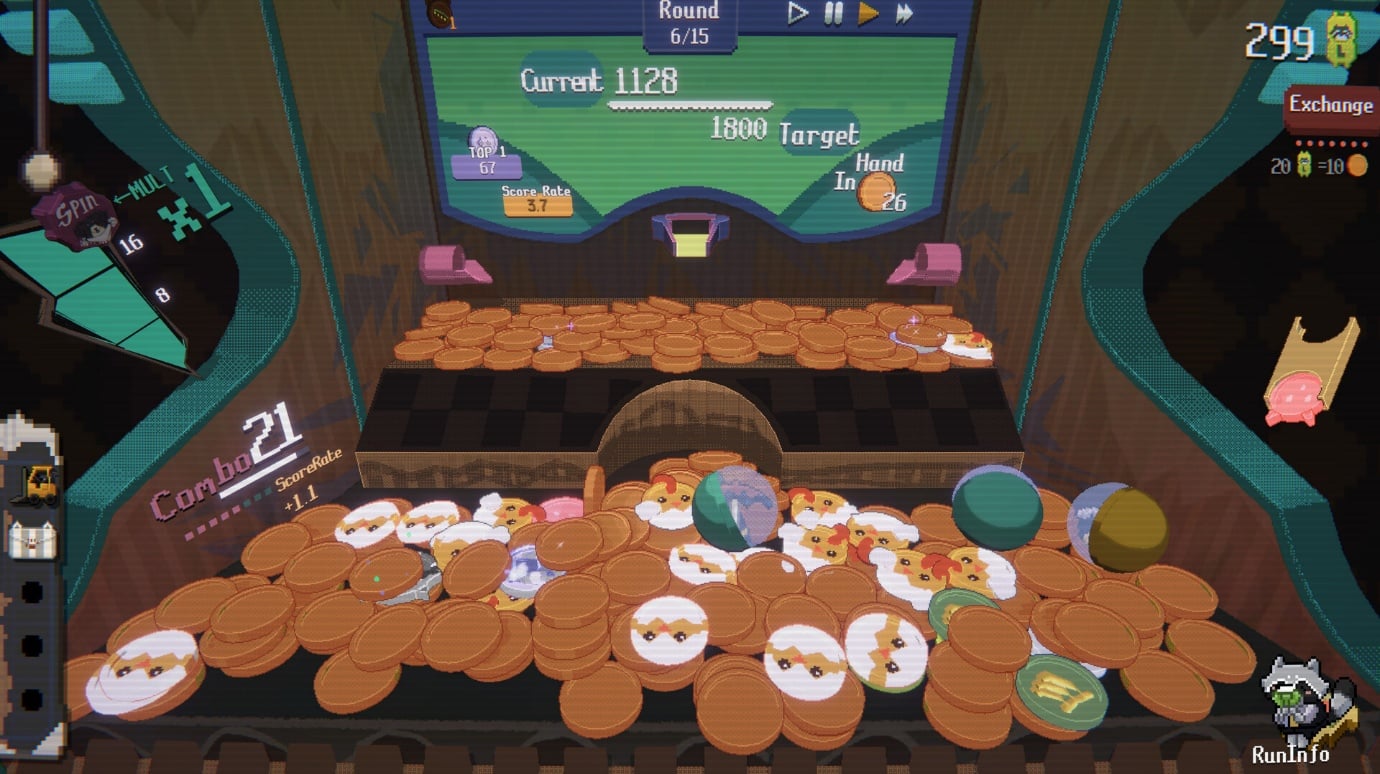
The developers of RACCOIN: Coin Pusher Roguelike submitted a new build almost every month, and we continuously played the game while discussing its overall direction and trajectory. We also actively shared information about publishers and overseas markets, and worked with the development team to determine what kind of partner would be best for them.
Rather than simply introducing them to publishers, we also supported the team based on our past experience in areas such as how to communicate the game’s appeal to a particular publisher, what to share and at what stage, and how to discuss terms and the division of responsibilities. Through these efforts, we ultimately helped lead to a formal partnership with Playstack, which now publishes RACCOIN.
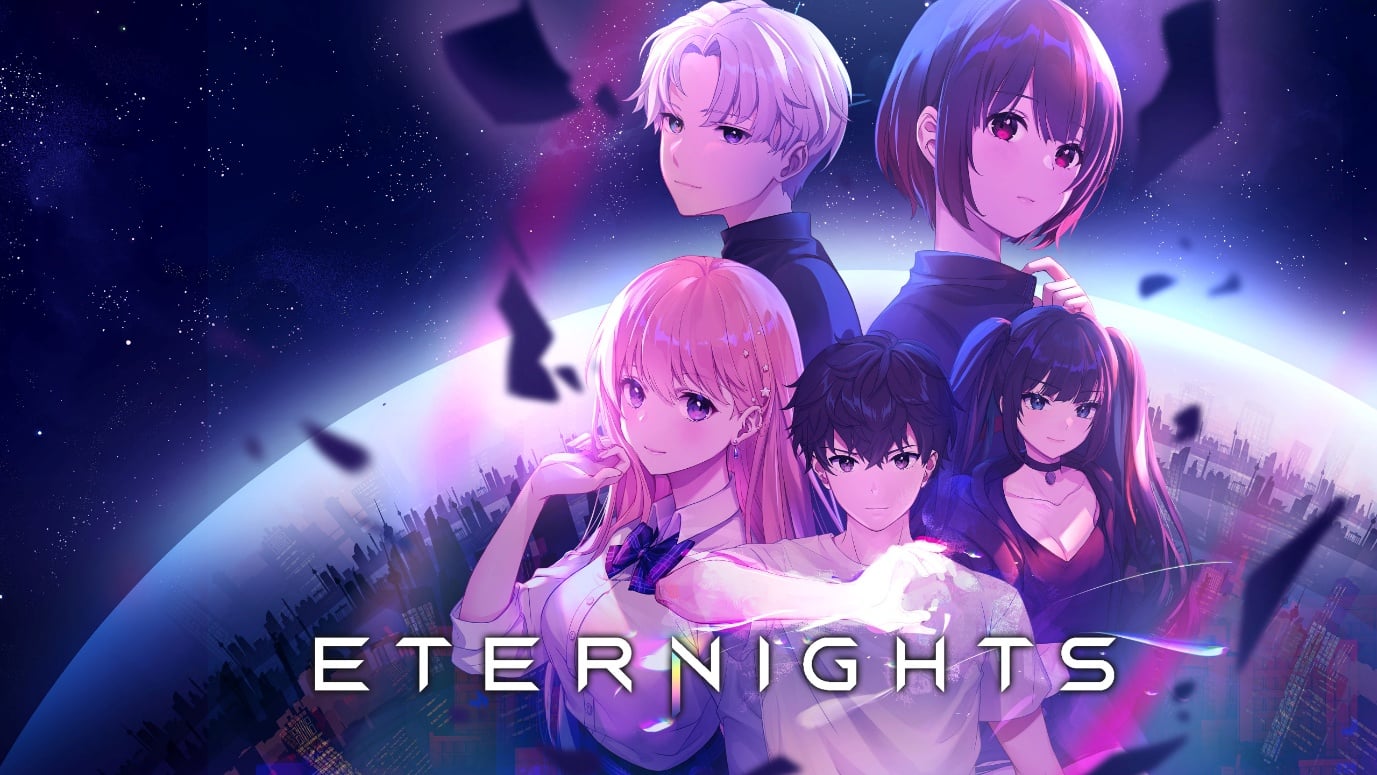
Another example is a game called Eternights. When it was first brought to the Chinese market, there were issues with the initial pricing and the information provided on its store page, which did not sufficiently take into account Chinese players’ purchasing habits and the way they perceive information. We provided the team with specific information about the characteristics of the Chinese market and player reactions, and supported them in revising the pricing and store page. As a result, Eternights’ appeal was communicated to Chinese players far more effectively, and it ultimately managed to attract a solid playerbase.
Then there’s CATO: Buttered Cat. After playing the game ourselves and speaking directly with the creators, we felt that the developers themselves had tremendous potential. We therefore decided to invest relatively early on, creating an environment where the team could focus on development full-time without worrying about their livelihood or funding.
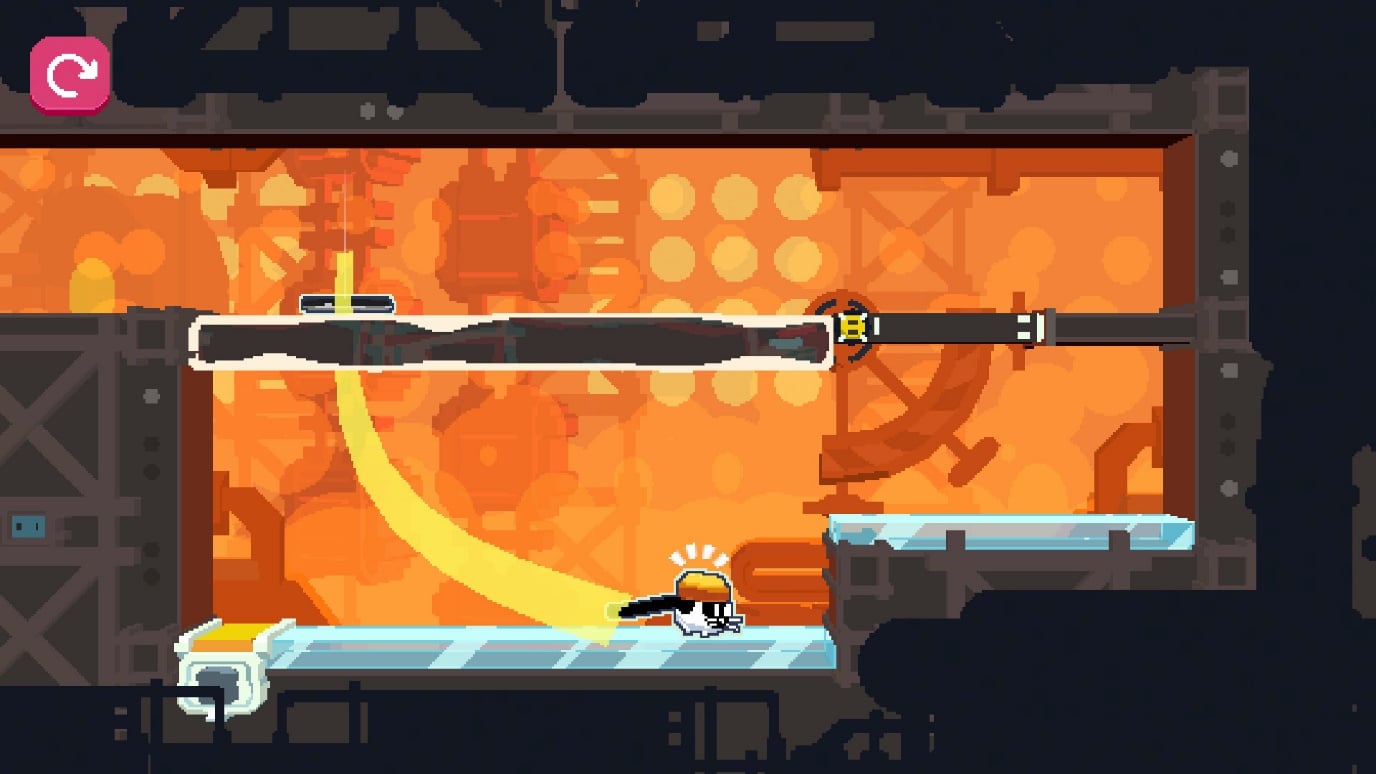
For developers who have just established a company, work outside of development, such as contracts and internal administration, can also be a major burden. COREBLAZER therefore supported them in building a system that would allow them to operate smoothly while sharing the necessary knowledge and experience.
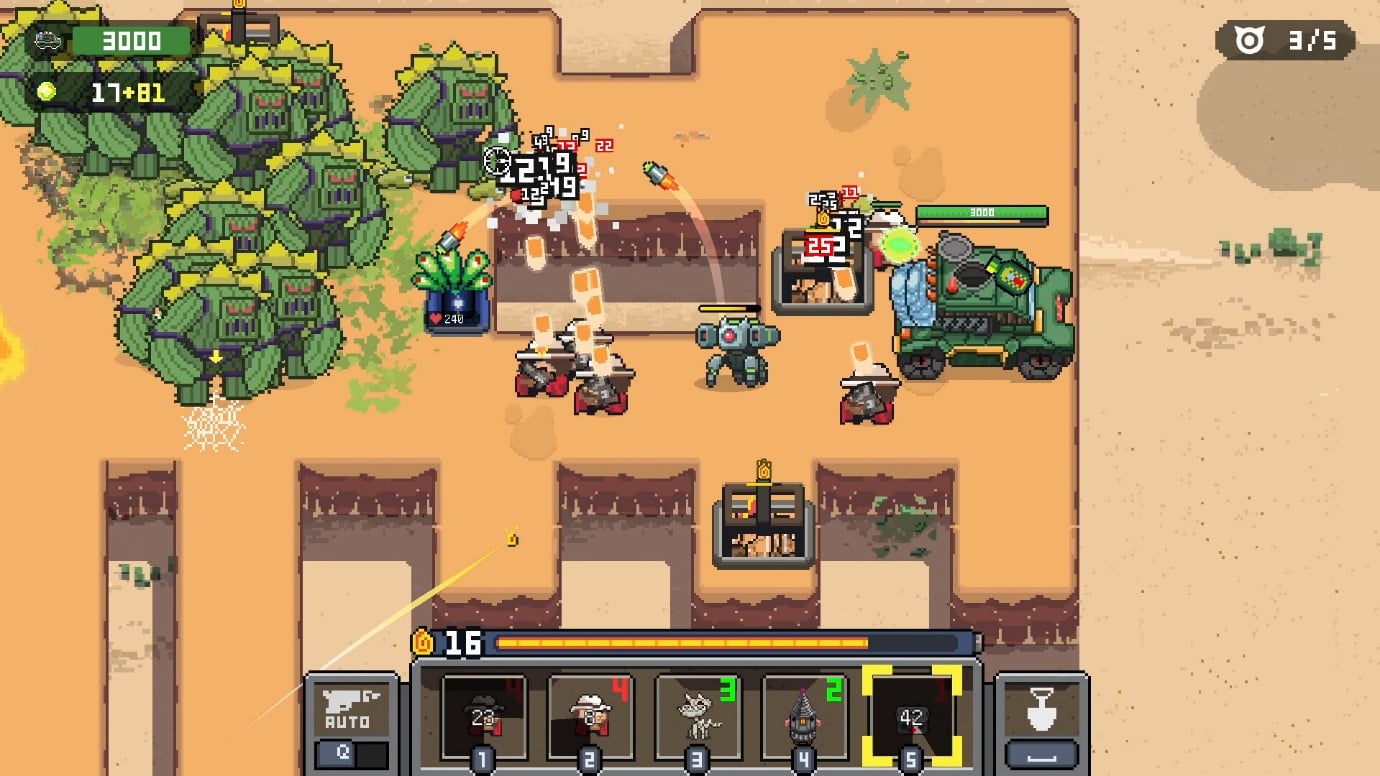
Next is Cluckmech Oasis. The team were also university students when we first met them. We initially encountered the developers work through a game dev competition, and after seeing the game, we were convinced that it was extremely appealing and had definite potential.
The five developers, who were university students at the time, went through a period of uncertainty over whether they should find jobs or establish their own company and go into business independently. Ultimately, they chose to start a company. So as soon as we heard that they had decided to launch their own business, we immediately began discussing an investment.
The development team behind Cluckmech Oasis continued working on a new game even after completing and releasing the title, and that new game is now also nearing completion. We have been continuously playing builds of the new game throughout development and have exchanged feedback with the developers many times.
Through this kind of long-term involvement, we have also deepened our understanding of the characteristics and appeal of their games, as well as the kinds of players they might be able to reach. That’s why, instead of just introducing them to a well-known company, we can look for a publisher that really suits the characteristics of their games and begin communicating with them at an early stage.
To date, COREBLAZER has invested in around 30 development teams. Six of those are overseas development teams, with the majority being based in Europe and North America.
What does COREBLAZER get out of It?
—This may be a somewhat pointed question, but how does COREBLAZER benefit from providing this much support to developers? Without seeing what’s behind it, I have to admit it feels a little frightening.
Kun:
I completely understand that question. If a company says, “We just want to help developers,” but doesn’t explain how it intends to make money, you’d naturally start to wonder whether there are some hidden conditions involved.
—I’d certainly be on guard.
Kun:
Exactly. (laughs) The first thing I want to make clear is that COREBLAZER is not a charity. We are investors, so naturally we need to earn a return.
Basically, when we invest in a company, we get a return by having the company grow and its value increase in the future. For example, we might invest 1 million dollars in exchange for 10% equity. If the company grows successfully, goes on to create a second and third game and achieves major success, the value of COREBLAZER’s 10% equity will increase. Alternatively, when it comes to project investments, when the game generates revenue, we receive a portion of that revenue based on the terms agreed upon in advance.
In other words, our profits don’t come from taking something away from developers upfront, they arise from the growth of the team and their games. The greatest benefit to us is for the game to succeed, for the team to go on to create its next game, and for the company to grow over the long term.
That’s precisely why I believe that after making an investment, our role isn’t simply to sign a contract; it’s to play builds during development, collaborate on and assist with various tasks such as hiring development and operations staff, negotiating with publishers, and expanding into overseas markets. After all, increasing the success rate of a title ultimately leads to a return on our investment.
—If COREBLAZER is capable of providing such extensive support, couldn’t it eventually become a publisher itself? Or rather, would that not be potentially more lucrative than what you’re doing now?
Kun:
We aren’t really considering becoming a publisher ourselves. If there is a publisher that is the best fit for a developer, we’ll support them in connecting with that company. Rather than bringing everything in-house, partnering with the appropriate specialists for each project increases the chances of success, which is more rational for us as investors.
Of course, not every investment will necessarily succeed. Game development involves a great deal of uncertainty, and there are plenty of cases where a game doesn’t meet the sales figures that were expected. I believe that accepting that risk and providing funding from an early stage is also part of our role as investors.
Our priority is not to maximize short-term profits from a single release, but to grow together over the long term with development teams we determined were worthwhile, from their first game to their second and beyond. That doesn’t mean the interests of developers and us, the investors, align perfectly, but we want to create a form of investment in which we at least share the broader goal of seeing the game succeed and the team grow, allowing us to stand on the same side of things as much as possible.
—You’re fundamentally an investor, but you’re trying to create a new form of investment. Speaking of investment structures, you’ve mentioned both equity investments and project investments. What is the ratio between the two for COREBLAZER?
Kun:
Looking at our investments to date, around 95% have been equity investments. In other words, investments where we fund the company itself rather than a specific project. Still, even with project investments, our shared commitment to supporting the future of creators and their companies remains unchanged.
—In that case, does COREBLAZER recommend that developers work with a publisher?
Kun:
That depends on the developer’s situation. Generally speaking, for teams that have no publishing experience at all, particularly those with no experience promoting indie games, we recommend working with a publisher. But we don’t think it’s enough for them to leave everything to the publisher; they also need to actively learn about the process themselves. That’s where you can see a developer’s ability to learn.
Companies that are highly motivated to observe and learn will pay attention to what responsibilities the publisher is handling, what they’re doing and at what stage, and what role they’ve played in promoting their game, then turn those observations into their own experience. Teams that are highly motivated to learn will also absorb things through working with publishers, such as which markets they are focusing on, when to release information, and how to combine and utilize different channels such as store pages, events, media, and communities.
By doing so, they can begin to participate in the collaboration more effectively, rather than simply submitting whatever materials the publisher requests of them. They can understand why those materials are needed and what they are trying to communicate to which players.
At the same time, how much developers want to be involved in promotion and communication with players varies from team to team. Some teams want to focus entirely on development itself, while others want to interact directly with players and participate in communicating information while observing the community’s response. I wouldn’t say either approach is inherently “the correct one.”
What’s important is to establish and communicate, at an early stage, how much the team wants to be involved, what they are good at, and what they want the publisher to handle. A good collaboration isn’t about leaving everything to the other party, nor is it about trying to handle everything yourselves. I believe it’s important to understand each other’s areas of expertise and find roles in which each party can create the most value.
If developers have a strong ability to learn, they’ll develop a deeper understanding of the value a publisher can provide, while publishers will also find it easier to make proposals suited to that particular team and game. Ultimately, I believe this kind of mutual understanding leads to better results in promotion.
—Hearing all this, I think some developers might go, “If COREBLAZER provides this much support, maybe we don’t need a publisher.” In other words, there’s a possibility that developers might start relying on COREBLAZER as a publisher. Would that not put you in a difficult position?
Kun:
We haven’t encountered any cases like that yet. From the outset, we make it clear that COREBLAZER does not do publishing, and we conduct our negotiations and discussions based on that premise. That’s why developers don’t expect COREBLAZER to handle the publishing side for them either. After all, we are merely investors.
In the first place, while we have a certain amount of basic knowledge regarding publishing, when it comes to the actual process, there are many detailed aspects where we simply don’t have enough experience. It is hard to achieve good results without that experience. We are very grateful to our partners for respecting our professional boundaries as investors.
Conversely, because we don’t have publishing experience, we respect publishers’ expertise and recommend that developers work with them, leaving specialized work to the specialists.
—I see. Recently, have there been any moments when you really felt “I’m glad I do this work” or that things are really going well?
Kun:
Recently, I’ve felt the strongest sense of accomplishment from being able to support RACCOIN: Coin Pusher Roguelike.
When I met the developers while they were university students, I asked whether they wanted to continue making games independently after graduation. After graduating, all of them had opportunities to take good jobs or study abroad, but ultimately, they chose to establish their own studio and continue developing original games.
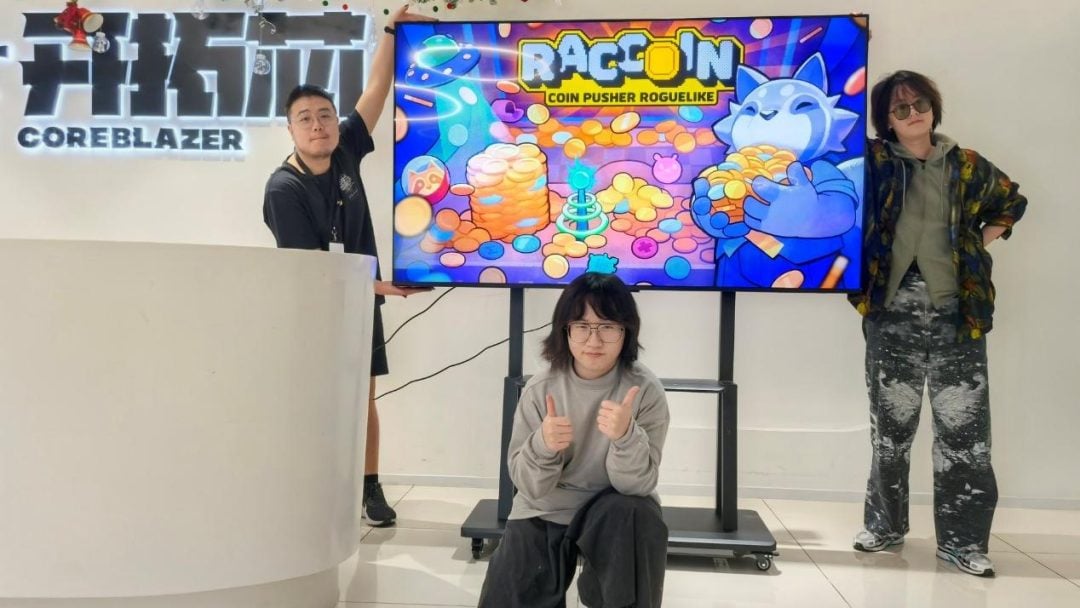
It may sound like an ideal story, but realistically, it wasn’t quite so romantic. A young team that had just graduated from university and was taking on full-time work for the first time had to worry about earning an income, running and managing a company, and whether their game would actually sell, all at the same time.
But COREBLAZER provided support, and ultimately the team achieved good results. That said, the sense of accomplishment I felt wasn’t simply that COREBLAZER had made the game successful. Rather, it was that we were able to give a young team an opportunity, at a time when they most needed support, to develop the game full-time and prove what they could do on their own.
We were also able to prove wrong the idea that a student team can’t succeed, or that you can’t make a good game without experience. Even among young or inexperienced teams, there are teams that have a genuine passion for making games and a clear vision of what they want to accomplish. If they’re at a point where all they need is support, and they receive the right support at the right time, they can achieve excellent results.
—By the way, if a developer is already receiving support from another incubator or has been rewarded in a competition, can it still receive support from COREBLAZER?
Kun:
Of course. In fact, having previously participated in another incubator or received investment is reassuring for us. I think it’s important to have a partner who, just like us, recognizes the company and its work and sees its potential.
—I see. So you aren’t interested in securing exclusive rights or anything like that?
Kun:
Not at all! I think the most important thing is to do everything we can within the scope of our capabilities. COREBLAZER has built up expertise in the investment business, so we want to focus on investment. Within that area, we naturally have our own expertise, and if there are partners who have expertise in other areas, we can support projects together even more effectively.
I think having many different partners involved can significantly increase the chances of success. So rather than being wary of collaborative relationships, we welcome them. We understand our position as an investor and build new relationships without venturing into other areas of expertise like publishing.
—So for COREBLAZER, having specialists in different areas work together to support developers is a strength that other programs don’t have. Thank you very much.
Inquiries to COREBLAZER can be sent via [[email protected]].