Capcom now has a dedicated team for bringing latest RE ENGINE technologies to character creation across all of its games
During the CAPCOM Open Conference RE:2026, Hiroyuki Chi revealed details about the company's recently established cross-functional team.
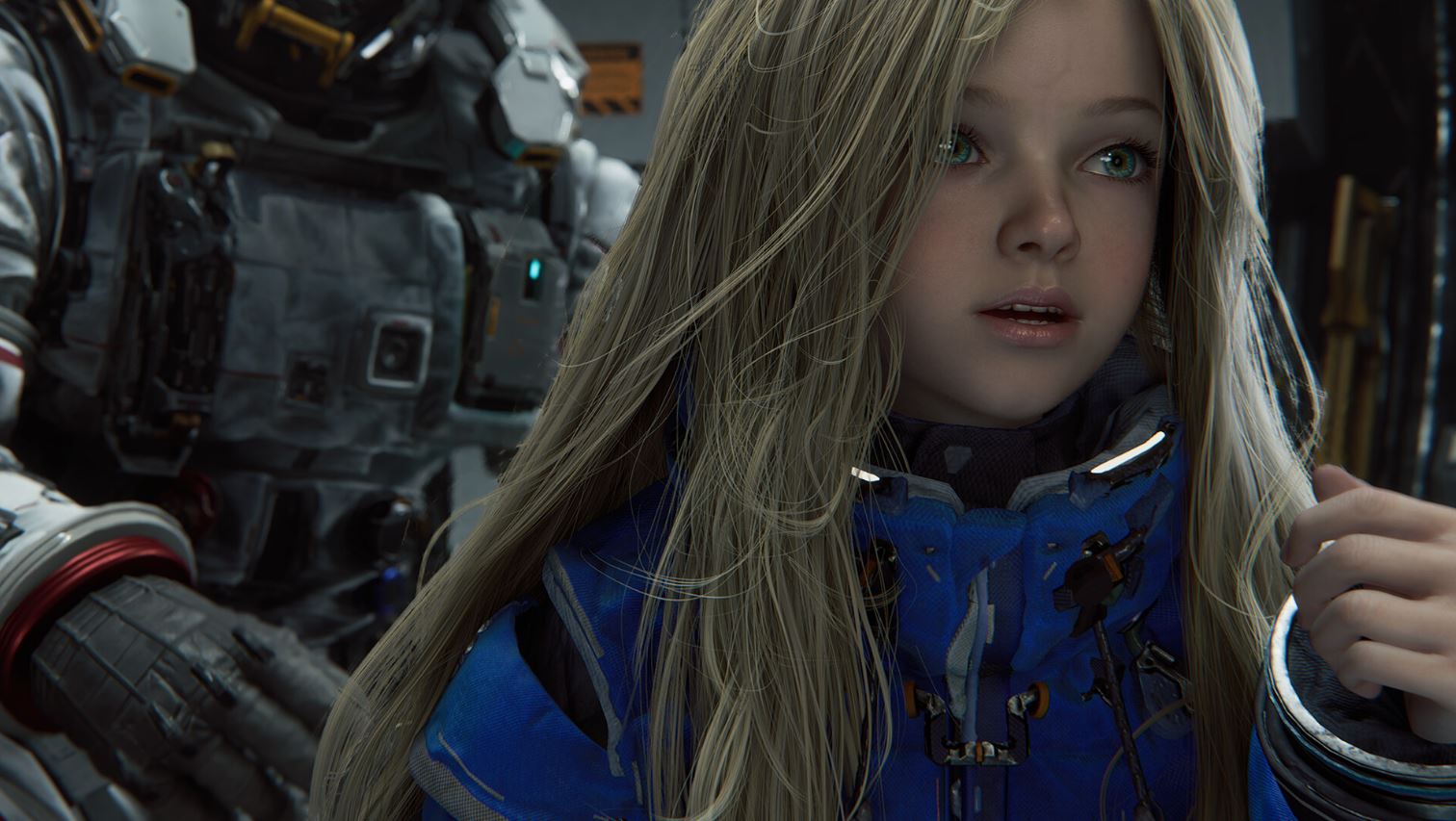
During the CAPCOM Open Conference RE:2026 held on October 2, the company’s senior manager Hiroyuki Chi, known for his role as Resident Evil 7: Biohazard’s art director, delivered a lecture titled Beyond Realism: RE ENGINE’s pursuit of the evolution and creation of photorealistic characters. As reported by GameBiz, in the lecture, Chi talked about the evolution of the creative and technical processes behind how Capcom builds its characters, and how they are executed in the context of the company’s proprietary RE ENGINE.
Interestingly, the developer noted that Capcom had recently established a special cross-functional team aiming to serve as a bridge between the RE ENGINE team and the development teams of all individual titles.
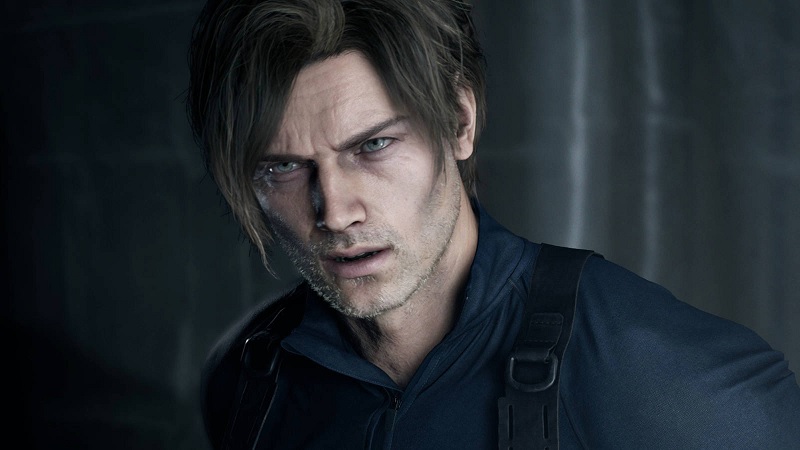
Previously, the engine team would develop a certain technology, which artists would go on to use in development of respective titles.. However, one example which indicated issues within that kind of development structure was the company’s “hair strand” technology. Rather than polygon rendering, which is a widespread way to render hair in video games, Capcom’s games render each strand individually in order to achieve a photorealistic look (a recent example of this is how Diana’s hair is rendered in Pragmata). But precisely because this process is completely different from how one would approach creating and rendering characters with “traditional” polygon hair, when issues arose, it became increasingly difficult to diagnose whether the problem was due to the RE ENGINE itself experiencing bugs or the way the assets were created or configured.
Consequently, Capcom went on to revise its development structure, establishing a cross-functional team dedicated to conducting technical inspection and quality control across all its titles. The new team includes character artists, technical artists, and rendering engineers who test the issues using actual characters. Thanks to this, rather than relying solely on images of a problematic scene when technical issues arise, the developers are now able to view its entire dataset. According to Chi, having both artists and engineers conduct tests while viewing the same screen has immensely helped speed up the process of identifying and resolving issues. Additionally, as the team resolves issues and establishes new production methods, the know-how is quickly shared across all individual titles. As Chi emphasized, the decision to assign cross-functional roles to the team directly ties into “raising the overall standard” of the studio.
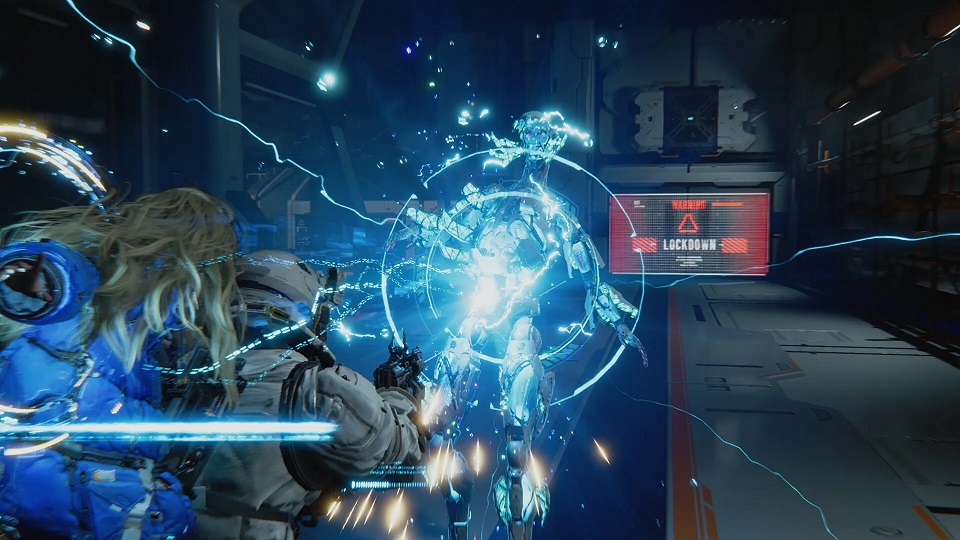
In terms of raising the quality of the visual expressions in Capcom’s games, the team starts with what Chi describes as a “focused approach.” First, a specific character, like Pragmata’s Diana, is used to test whether a certain quality benchmark can be achieved regardless of how much cost goes into it. Then, those elements are implemented into the actual game while addressing the processing load and other challenges which may arise throughout production. Finally, the developed features and tools go through a “standardization” process, which allows them to be easily implemented in other titles as well. By repeating this cycle, technologies that are developed for one specific title are stored as engine features, which also means that future titles by Capcom can enter development with technical headstart.
Related:

Đorđe P
Articles: 512Related Posts