Although it’s been three years since its announcement, ANANTA still continues to be one of the most anticipated upcoming titles among gamers. I recently had the opportunity to get an early look at the game, so I’d like to share what we know about it so far. Please keep in mind that this article is based on the version of the game showcased at Gamescom 2026, and that some of its contents may differ from the final version.
ANANTA is a free-to-play open world RPG developed by NetEase Games and its subsidiary Naked Rain, scheduled to launch on January 15, 2027 for PC (official launcher, Steam), PlayStation 5 and mobile.
The full-priced AAA-like cinematics were quite the surprise
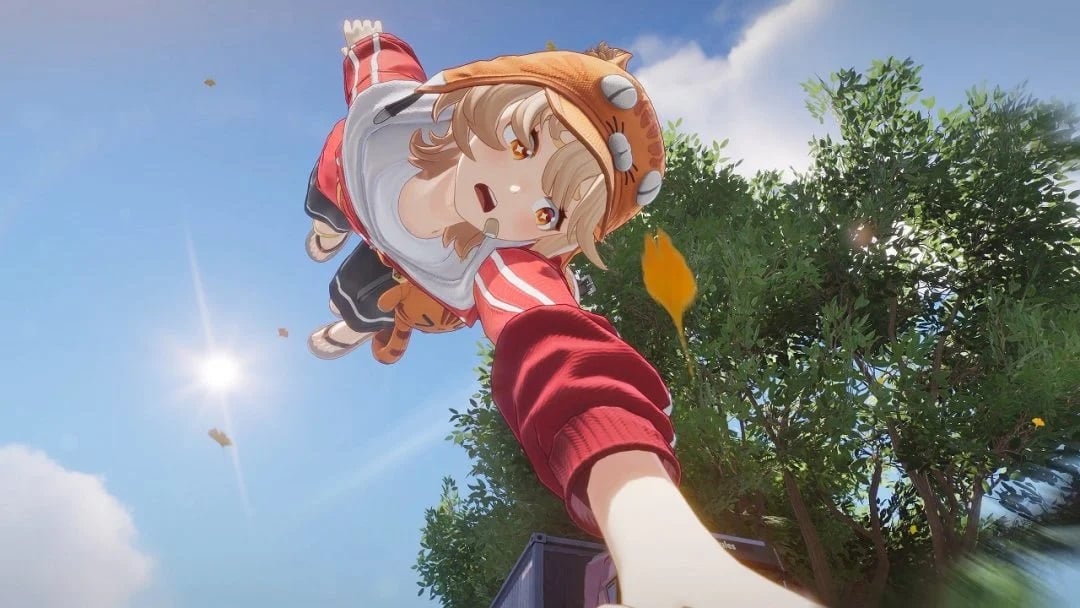
This time, I had the chance to experience a part of the main story, as well as some exploration, both of which took place in the newly revealed city of Chongxiao.
First, the story was an adventure featuring a new protagonist. Beginning with a tense situation, it seamlessly transitioned into dynamic action, followed by a whirlwind of twists and turns. The back-and-forth transitions between gameplay and cutscenes felt smooth, with the storytelling being driven by shifts between static and dynamic scenes, and actions matching each of the locations. Personally, it reminded me of Uncharted, a series famous for being like an interactive movie.
What makes Ananta unique is the fact that it manages to achieve this lush cinematic presentation not as a full-priced game, but as a free-to-play live service title. Many live service action games avoid incorporating one-off gameplay elements into their stories, and instead use camerawork to present the usual action gameplay in a richer, more cinematic way. It’s a fairly common technique to reuse the same assets many times, and the reason for this is likely to make live service game development more resource efficient.
If you play modern live-service action games, you’ll often see scenes where characters talk while standing completely still, which then cut into close-ups of their faces filling the whole screen. During the climactic parts of the story, when you’re dodging obstacles in your vehicle or dashing through an on-rail segment, many times you will experience scenes that feel slightly disconnected from the surrounding environment as the game alternates between dynamic and dialogue scenes.
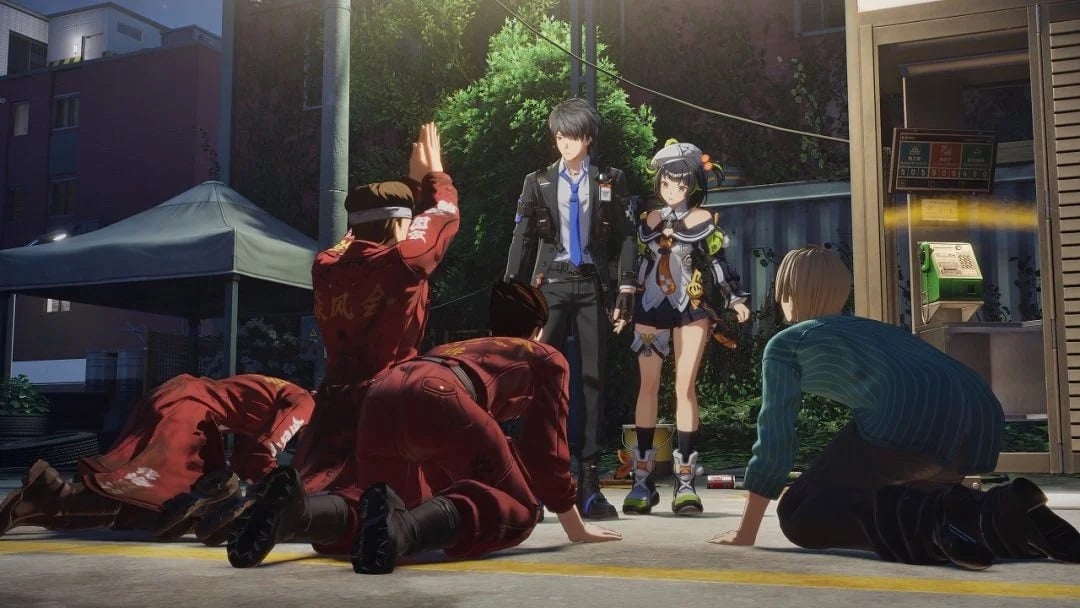
However, Ananta seems to be actively trying to incorporate location-dependent cinematics as much as possible. For example, last year’s Tokyo Game Show demo featured a seamless flow of enemy combat → gun battle on top of a car → driving action → wire action QTE. It was honestly astonishing, but it also made me feel worried about whether they’d be able to maintain the same quality assuming new updates will be released continuously at a pace of about once every few months. Though, I want to say they would be able to pull it off, because if that hadn’t been the case, they wouldn’t have announced it in the first place. At this stage, it’s truly an impressive game.
As for what happened to Wei Yinglong, the newly introduced character, I can’t go into the specifics because of spoilers. What I can say though, is that the protagonist Captain, who is also pretty much the face of Ananta, did not appear in the demo.
Exploring the new map inspired by Shanghai and Hangzhou
Ananta revolves around the concept of “living in the city through many different faces,” allowing the player to switch between multiple playable characters and experience the city from each of their unique perspective. So, it seems like this time, the demo offered a story in which you can experience the city Chongxiao from Yinglong’s point of view. Besides Yinglong, the game features many different characters, like a patrol officer, a genius hacker, a delivery person, a content creator, each with their own unique perspective and story, exploration and combat style. It makes me wonder whether visiting Chongxiao with different characters could potentially result in a different story unfolding.
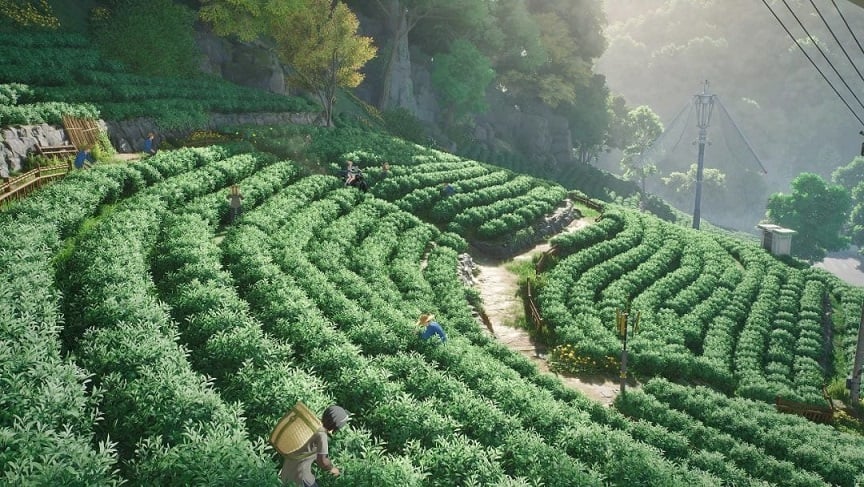
After completing the story, I got to explore the new map – Chongxiao. Specifically, I visited a map within Chongxiao that looks like a tea plantation you’d find in the countryside. That being said, there are already many games that feature maps inspired by Hangzhou or Shanghai. So, if I had to point out another unique feature of Ananta, it would be the vivid atmosphere that gives off a “sense of daily life.” In the lush green mountain village surrounded by tea shelves, numerous NPC are “living their daily lives.” And this doesn’t mean that the in-game objects and characters are super intricate. All of the NPCs, and pretty much all the things that come into vision are in motion, without disrupting the tranquil rural scenery. There are people taking a stroll ‘round town, robots, which are cleaning or even dancing. There are characters selling local specialties in shops, and many people working diligently in the fields.
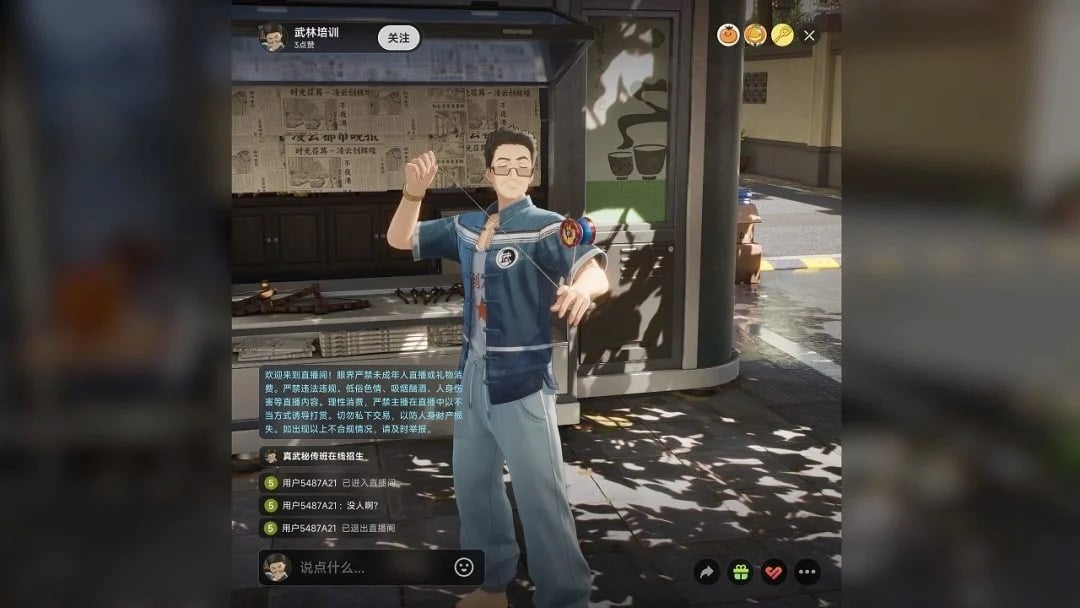
Players can control their own characters in pretty much the same, lively way, if not even more so. Within the map there are numerous mini-games inspired by the urban life in Hangzhou. Furthermore, the vehicles you can drive around town resemble like those from the countryside, and even the murals had a distinct countryside vibe. There are also sci-fi-inspired machines, which act like highlights spangled throughout that scenery. Talking vending machines and robots work in the countryside together with the humans. That is likely the kind of scene Ananta is aiming to portray. However, that’s not all there is to the new Chongxiao map.
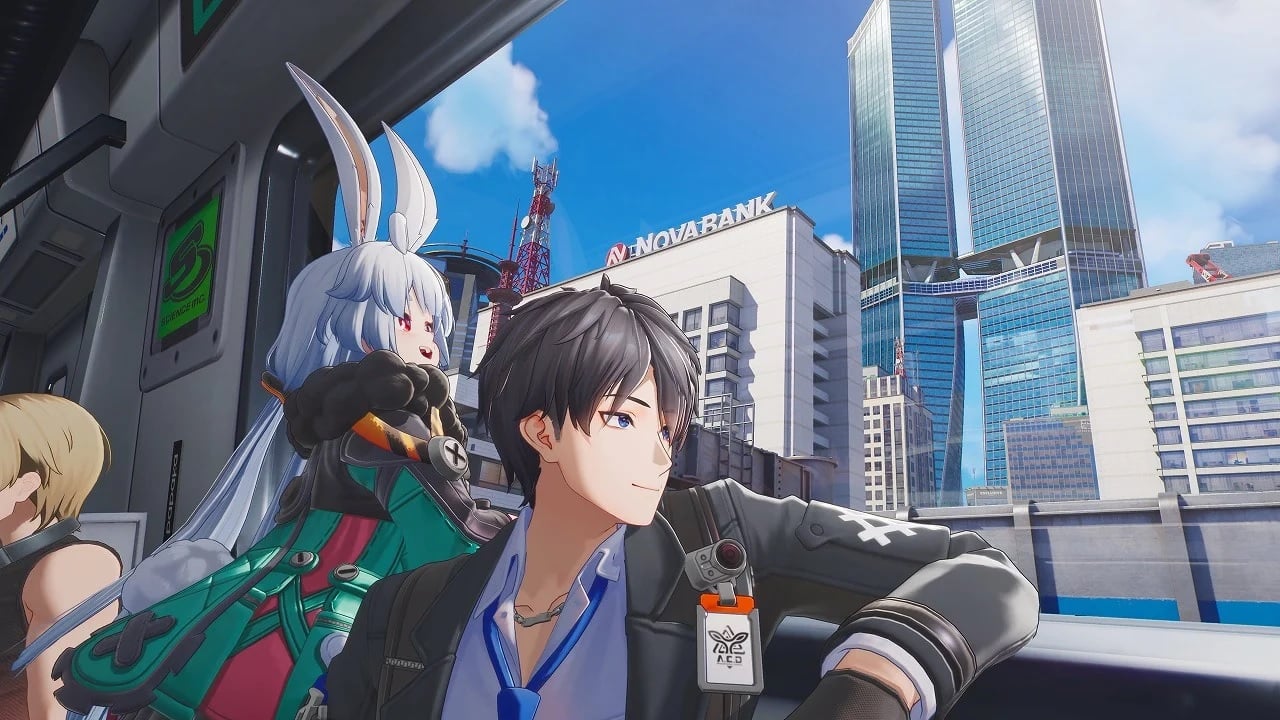
According to the latest trailer, the game features both suburban areas and metropolitan districts with tall buildings and monuments. What we know so far is that it will take place across two Asian-inspired modern cities, Nova and Chongxiao (which are apparently inspired by real-world cities like Shanghai, Hangzhou and Tokyo).
All in all, the game was packed with content which made it truly hard to believe that it’s going to be a multiplatform release and a mobile game with regular updates. The fact that the developers were able to achieve this kind of game design – where the cinematic gameplay that feels like an interactive movie and a lively cityscape filled with NPCs can “expand at a fixed pace” – is truly jaw-dropping.
At the same time, it made me realize the harsh reality that if you don’t go to such lengths to have a presence in a market where companies are fiercely competing for users, acquiring new players will be a very difficult challenge. Two big cities and so many companions. I wonder what Ananta, whose appeal comes from the combination of those two elements, will be able to offer the players. I can’t wait for the game to officially launch.
ANANTA is scheduled to launch on January 15, 2027, for PC (official launcher, Steam), PlayStation 5 and mobile.
Related articles: