Japanese creative company Amana published the results of a survey on AI and creativity on June 30, as reported by GameBiz. Based on a sample of 400 creative and marketing professionals working in the corporate world, the survey found that while a majority of companies are already using generative AI in creative work, most are not public about it.
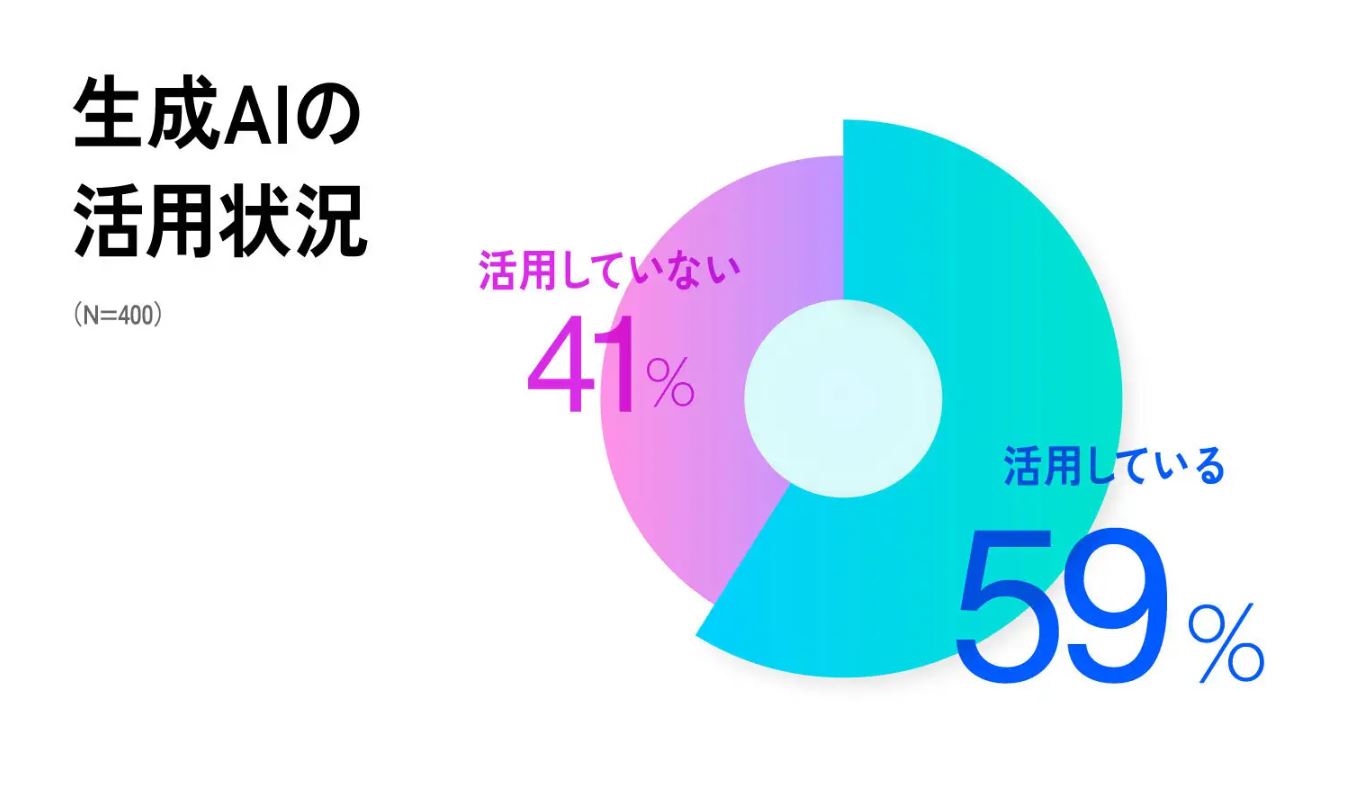
According to the survey, 59% of respondents said their company uses generative AI, while 61.75% said AI was already influencing internal creative decision-making. As the study puts it, this suggests that gen AI is affecting not only how production processes work, but the creative activities companies engage in themselves.
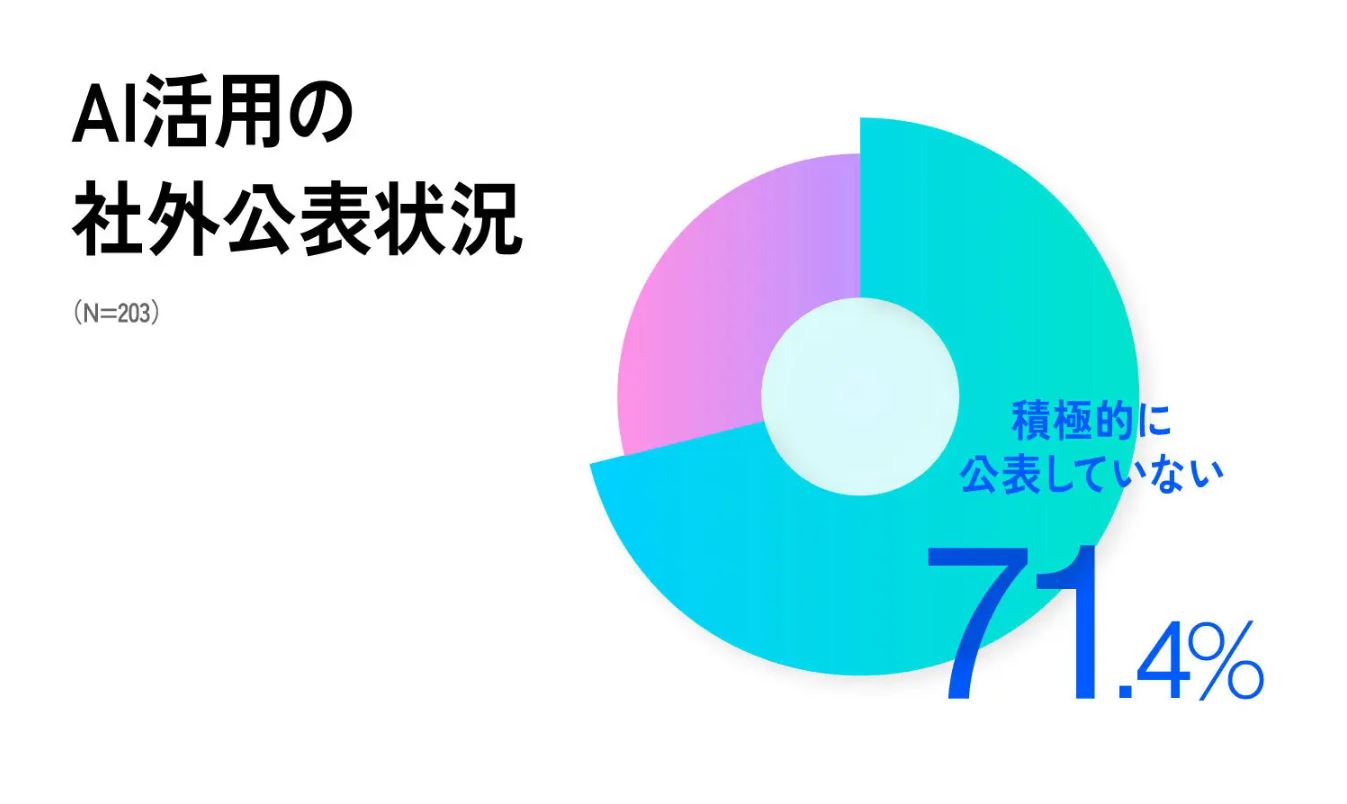
However, despite the high adoption rate, the data showed that 71.4% of companies using AI do not actively disclose to fact. The biggest challenges cited related to AI use were copyright and intellectual property concerns (32.5%), followed by the lack of clear evaluation standards (24.0%) and inconsistent quality of output (21.5%). Additionally, 43.5% of respondents said their organization either did not have AI usage guidelines in place or were unsure whether such guidelines existed.
Based on these findings, the study concludes that corporate AI adoption in creative work has “moved beyond the experimental stage and into practical day-to-day use.” While this survey covered the broader creative industry in Japan, the topic is also relevant to games. A survey published by the Computer Entertainment Supplier’s Association (CESA) in September last year found that 51% of Japanese game companies were using AI in some capacity, with the top two most common uses being creative (generation of visual assets and images, followed by story and text generation).
Since then, some companies like Capcom have adjusted their policies surrounding AI to encompass only “routine tasks” rather than creative work, but adoption seems to be growing at a rather fast pace. Given the backlash from consumers that arises pretty much each time a company announces or is caught using gen AI, it’s not surprising that some aren’t disclosing it in the first place, though hopefully storefront disclosure requirements like Steam’s are helping improve transparency.