

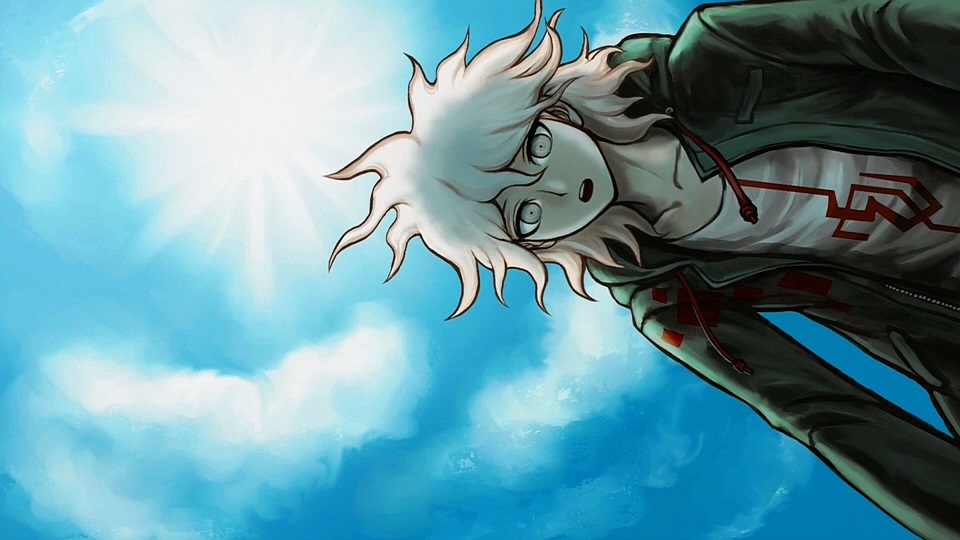
It’s been a year since TooKyo Games released its debut visual novel TRPG The Hundred Line: Last Defense Academy, and to celebrate the big milestone, the studio has prepared several fun announcements for the franchise, including an official manga adaptation and an original stage play with multiple endings. Reminiscing on the first year since the launch of this rather ambitious project in a recent interview with Denfaminicogamer, director Kazutaka Kodaka talked about his goals for the franchise, but also about the future of the narrative adventure game (commonly referred to as visual novels in the West) genre as a whole.

Given the recent rise in the genre’s popularity, backed by hit releases such as Urban Myth Dissolution Center, the Paranormasight series and Magical Girl Witch Trials, Denfaminicogamer asked Kodaka about how he views the current wave of modern adventure games.
“To be honest, I haven’t played that many adventure games. I play a variety of different genres of games, and I also read novels. That being said, I believe outstanding adventure games are the ones that use game mechanics in their favor. When it comes to story-driven adventure games, I honestly think novels are much higher quality reading material. After all, works written by famous authors are simply a more interesting read,” Kodaka says.
If you’re aiming to write a truly interesting story, according to Kodaka, that means you’re up against giants like Keigo Higashino (known for his mystery novels). And in order to beat them as a developer, you’ll have to leverage the systems and means of expression that are unique to the video game medium and evoke emotion in players through the story.
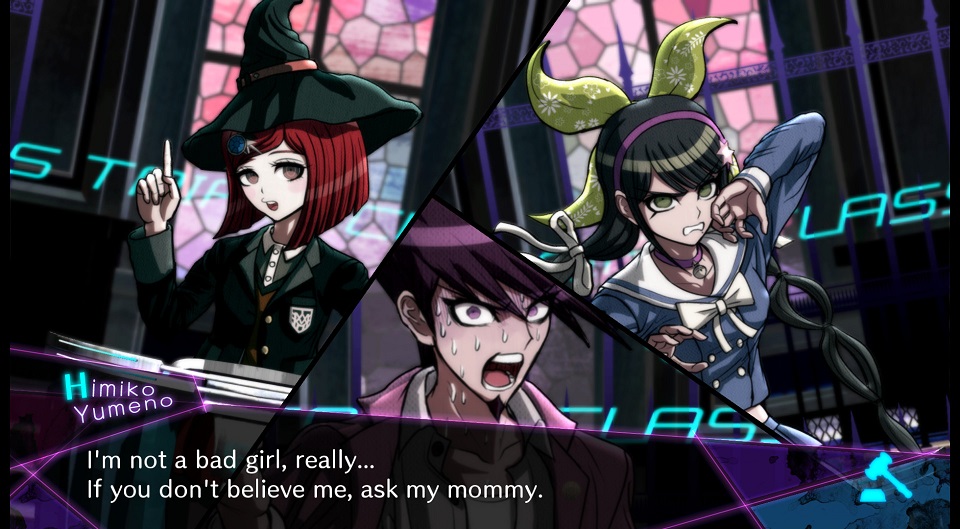
“For example, the action of flipping the page itself is a gameplay element in my opinion, and I believe works that really consider these aspects can be called outstanding adventure games,” Kodaka comments. And while noting that adventure games have been flourishing in recent days, especially in the indie scene, he also says that he feels the genre is stagnating “systemically” in terms of game design.
On a related note, creator of 428: Shibuya Scramble, Jiro Ishii, shared the same sentiment in a recent interview, commenting that visual novels and story-driven adventure games may have reached an “evolutionary dead end” in the past decade. However, he explains that games like 13 Sentinels: Aegis Rim, the Zero Escape Series, and Gnosia (which he respectively calls “open-world” and “roguelike” visual novels) have paved the way for potential new breakthroughs in the genre.
Similarly, Kodaka hopes that new generations of creators from Japan will be able to make something that could help the story-driven adventure genre break free from stagnation. “I truly hope that a revolutionary work showing a completely new way of storytelling will come from Japan. Everybody has their own preferences, but I personally want for Japanese developers to come out with something like Return of the Obra Dinn or No Case Should Remain Unsolved.”
When asked about his opinion on some of the recent successful indie games which heavily draw from Danganronpa, Kodaka says that he’s glad his flagship title is still relevant even 15 years after release. “But if I actually play them, I’m going to end up wanting to comment on them. I don’t want to become a grumbly old man, so I avoid playing them altogether (laughs).”
Related articles:


I’m working on a visual novel but I’m writing the script first as a webnovel and will add more endings later into the game, the visual, musical, and interactive aspects of video games I think are the edges they have over normal book
Personally I prefer games being more story heavy than gameplay heavy. I hope traditional visual novels never fade out.
Quite an illogical take from Kodaka. I don’t believe that visual novels require any video game elements to be good stories or worth getting into. The problem is the lack of quality stories being written.
Why do people love Muv Luv Alternative or Mahoutsukai no Yoru? Because they were good stories. These are kinetic visual novels, they have no gameplay or routes. The element of these games that distinguishes them from novels is their ability to use art, graphics, and music in a skillful fashion. Ofc you can have game elements on top of this, but this alone makes it a different medium. Asking why you would play a visual novel instead of read a book is like asking why you wouldn’t just read a book instead of reading a comic or watching a TV show etc. It’s a different medium.
Personally I never saw visual novels as games. I don’t mind dialogue heavy games, I play a lot of RPG’s, a visual novel has dialogue overstay it’s welcome and it only leads to short gameplay segments.