

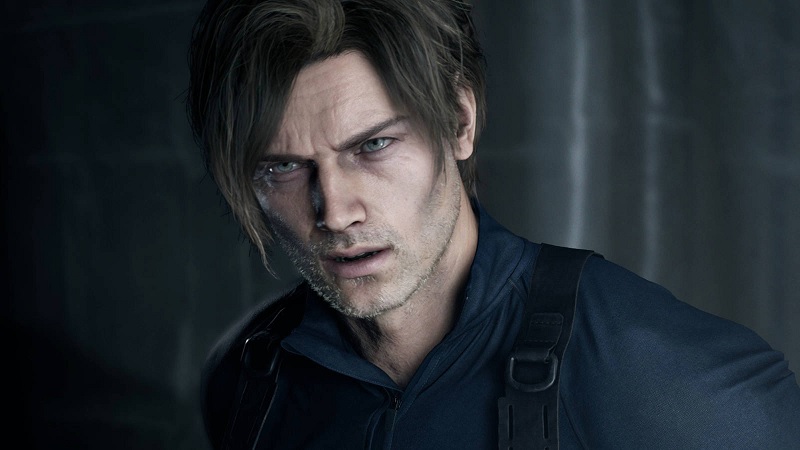
Capcom celebrated its 43-year anniversary on June 11, and to commemorate the milestone, president and COO Haruhiro Tsujimoto (who leads Capcom alongside founder Kenzo Tsujimoto) talked to Famitsu at length about the company’s beginnings and how it has made it so far as a game developer. One interesting topic that came up is Capcom’s conscious effort to shift away from individual-driven development – which heavily depends on the creative vision and expertise of a single creator – and adopt team-driven development.
Capcom’s flagship IPs, like the Monster Hunter, Resident Evil and Street Fighter series, have maintained their popularity and continued to produce hit games decades after they were originally created, and Tsujimoto considers Capcom’s organizational transformation to be one of the biggest reasons why this was possible.
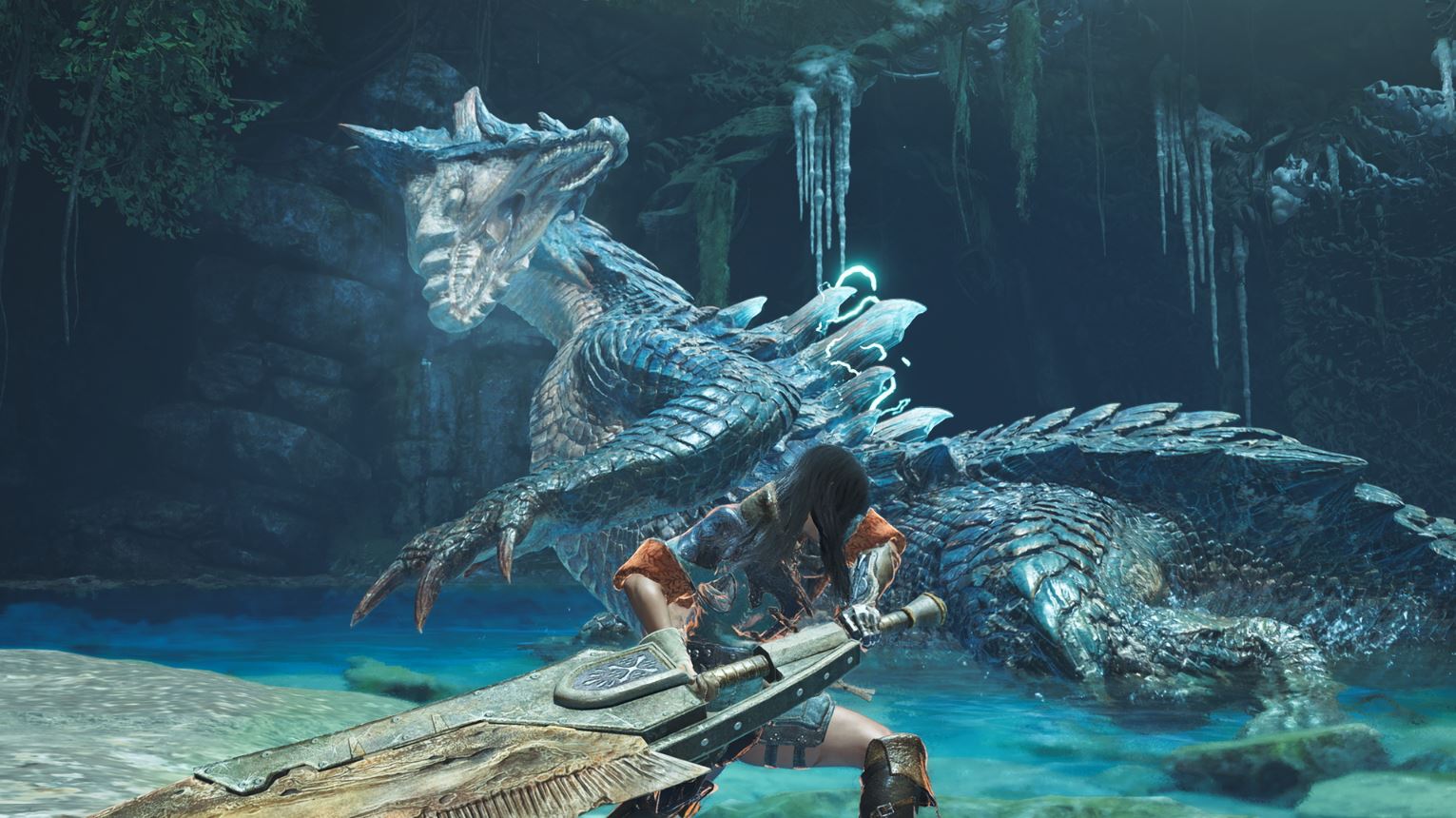
“In the game industry, when a title becomes a series, it often ends up depending heavily on a particular developer, becoming what you’d call an individual-driven title. If that person doesn’t make one, there’s no next installment. The direction of the series becomes tied to the ideas of a single creator,” he explains.
Development at Capcom likewise functioned this way for a long time, but according to Tsujimoto, the company started feeling the limits of relying on auteur-driven development, especially against the backdrop of fulfilling its responsibilities to shareholders as a publicly listed company.
“We discussed the issue with the central figures behind each franchise and ultimately agreed that we should abandon that approach. What we came up with instead was the idea that every title should essentially be rebuilt from the ground up. We didn’t mind even if sales temporarily declined as a result, and by switching to a team-based approach to game development, Capcom changed dramatically.”
Tsujimoto believes this decision has more than paid off, allowing new entries in Capcom’s most valued IPs on a regular basis. This also means that knowledge and expertise accumulated by development teams is handed over generationally, securing each franchise’s longevity. Additionally, he considers this to be just as important when it comes to developing new IPs, with 2026’s Pragmata being a symbol of Capcom’s team-oriented development structure.

When it comes to auteur-driven games, names like Hideo Kojima or Yoko Taro immediately come to mind, and these types of IPs, which are practically synonymous with an individual creator, can be extremely powerful when it comes to nurturing a devoted playerbase. However, from a company’s perspective, this involves the risk of a star creator quitting or retiring, leaving valuable franchises hanging. We’ve seen how negatively loyal fans can respond to companies rebooting franchises without the involvement of their OG developers, so the matter is a lot more complicated than simply owning rights.
Amidst these circumstances, it doesn’t come as a big surprise that Capcom made a conscious effort to stop depending on auteur-driven development, and it’s likely far from the only developer to do so either. From a gamer’s perspective, however, it is also a shame that this kind of eccentric, highly-individualistic approach is losing its place in mainstream, large-scale game development.
Interestingly, Hideki Kamiya, who happens to be a Capcom veteran and is another prime example of creator-led game design, has previously expressed regret about game development becoming more “product-focused” than “creator-focused” in recent times, which was one of the reasons why he decided to establish the independent studio CLOVERS, intended to nurture games that reflect their creator’s individuality.


Wonder if this is why Itsuno left.
Bcs he would like to do new stuff and think Chinese investors can realize his idea better than his Japanese counterparts. Finger crossed he wouldn’t end up like Nagoshi again
This comes off as smelling their own farts. So after these figures established a franchise, at times changing it at their behest to follow trends or keep up sales, they are saying now they decided best? No, Capcom chased the West and near ruined themselves and seems to only have been lucky enough to survive and compromise he least damaging to their IP.
Even after the 2000s they still tried to alter their IP like with DmC, and flip-flopped with RE constantly. Their brand names are so big people still bought them despite issues and they dropped others that didn’t sell huge and centralized around their flagships.
Gameplay has been their strength and paid off whereas other failed because gameplay was also a failing factor among others. Auters always rely on a team, look at Kojima how him being restrained led to Snake Eater. Because they lost Mikami years back and recently Otsuno, they don’t have any left. I think the son of Monster Hunter creator is running that.
“I think the son of Monster Hunter creator is running that.”
More like ruining that. Regardless of sales, the newest monster hunter has a 64% positive rating on steam. I don’t call that success.
This is whats going to slowly kill Capcom more like. RE8 and RE9 feeling so disjointed makes perfect sense now. People pointed out that each section of those games felt like they were made by a different team and lo and behold thats basically what happened. RE7 was also like that to a degree as well. You might get a more “consistent” “product” using this method but you’re also never going to get a slamdunk masterwork of a game. Its also telling that the best part of each of those RE games is right at the start so they are very much aware of the quality differences between their separate dev teams and they strategically put the best stuff first always. Everything Capcom makes from here on out is doomed to be “okay” because of development strategies like this. The quality of their games will always be all over the place. The MH Wilds launch was also a complete and utter disaster so I don’t get why they’re putting stuff like this out there as if people are perfectly happy with their current lineup.
Resident Evil has always been like this since early 2000s. Just look at RE3 and RE4 originals, then between RE6 and RE7. Not to mention how messy Capcom was in 2000s by creating multiple rail-shooter RE games (which actually have significant stories) that ended up abandoned. So, I don’t see their recent strategy would be radically different from what they’ve done before. If any, it’d make their line-up a bit more organized
If this was an American company I’d call bull and I’m still suspicious, the obvious answer would be corp demands that their IPs keep cranking out titles faster and different than individual creators want to. EA turned Corp butchering into an art form so everyone else has an example to avoid. Not saying this can’t work, but Directing vision and team consistency is vital; there are a thousand examples of key people leaving and the next title winds up trash.
Wow a company trying to steal credit from artists? Colored me shocked. It a series has a creative lead behind it then you remove that lead, you dont have that series anymore, you have a corpse puppet. Sure it might be fun to play with the puppet buts its not IT anymore.