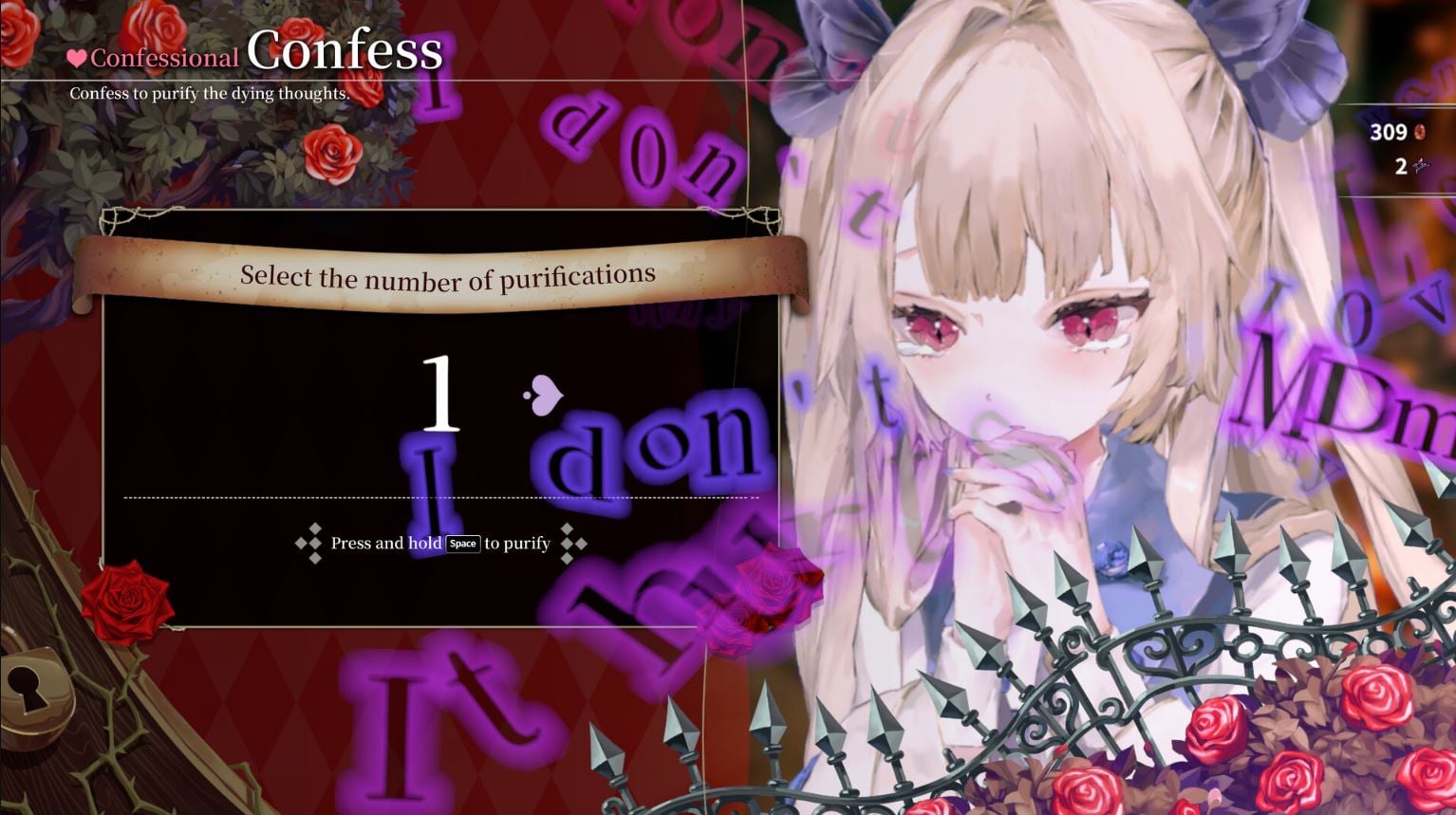
CRYMELIGHT is an upcoming roguelike action game from JRPG developer FuRyu. Within a dark, Alice in Wonderland-inspired setting, the game follows a cast of young girls who have arrived in the afterlife, each carrying some kind of “sin” they committed while still alive. Trapped in a prison called Wonderland, the girls must fight and confront their sins to free their souls. As the amnesiac protagonist Alice, you participate in the death game against the Queen of Hearts’ royal army. By defeating enemies, Alice can repent for her sins, allowing her to become more powerful. As the death game unfolds, Alice will also learn about the past lives of the other participants.
The game is set to launch on November 5, with a demo currently out on Steam.
During Tokyo Game Show 2026, ATOMATON sat down to talk to producer and director Takumi Isobe about how CRYMELIGHT came to be, what sets it apart from other roguelikes, and where it stands in FuRyu’s “Cry” series.
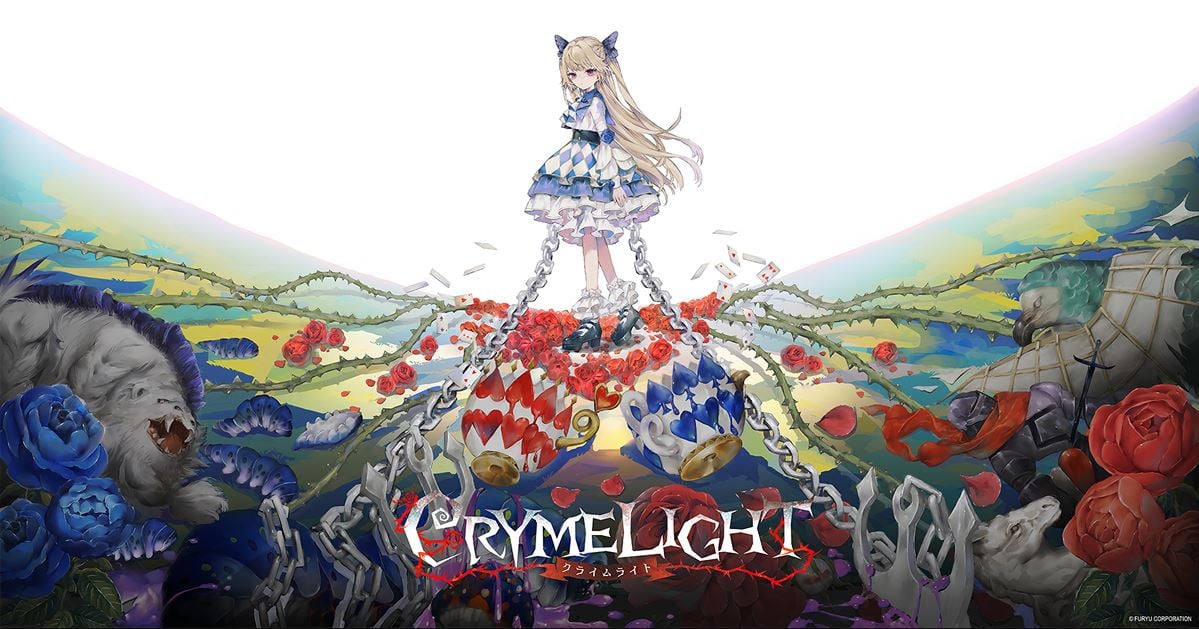
2D graphics ensure none of the “cuteness” of the original characters designs is lost
—To start us off, could you please introduce yourself?
Takumi Isobe:
I’m Takumi Isobe from FuRyu. I’m the producer and director of CRYMELIGHT.
—CRYMELIGHT is the third title in the series following Crystar and CRYMACHINA. Where does it stand within the series?
Isobe:
In terms of how the three games relate to each other, CRYMELIGHT is a completely new title. I would like you to think of them as independent entries, like the numbered titles of the Final Fantasy series. While Crystar, CRYMACHINA, and CRYMELIGHT can arguably be considered part of the “CRY” series, they basically have no direct connections.
That said, CRYMELIGHT does have some elements in common with Crystar and CRYMACHINA. For example, the visual motif of girls shedding tears, as well as the theme of characters confronting hardship. Those aspects are also present in CRYMELIGHT, but we’ve taken them in a different direction this time. That’s why I think it’s best to understand CRYMELIGHT as a new, standalone title.
—How much freedom do you have when creating a game?
Isobe:
In general, it depends on my role, such as whether I’m the producer, as well as the title itself. When it comes to CRYMELIGHT, there’s an existing “CRY” series, so I had to consider what its players like and what they’re looking for. I’ve taken the approach of incorporating plenty of what fans of the series want, while cutting things they don’t need. I’d say I’ve been able to work on the game with a fair amount of freedom.
I serve as both producer and director, but I also wrote the lyrics for the opening theme, “Love and Guilt.” In fact, I’ve also taken on some of the duties of an art director as well. I’ve had opportunities to create storyboards, and I’ve personally put a lot of effort into aspects such as direction and UI design.
—Crystar and CRYMACHINA both used 3D graphics. Why did you opt for 2D graphics for CRYMELIGHT?
Isobe:
The character designs are initially created in 2D by the artists, but when we turn them into 3D models, they inevitably end up looking different from the originals. For instance, there were times when I felt the characters’ cuteness came across better in 2D, so I decided to make CRYMELIGHT completely 2D so that we could properly convey that cuteness to players.
While it’s difficult to create a sense of three-dimensional depth in 2D, in the game’s story sections, we’ve made the characters move more extensively than ever before. I think you’ll understand once you actually play it, but the characters really move as if you’re watching an anime. In that sense, I’m glad we went with 2D graphics, and I think it makes the characters’ cuteness stand out even more.
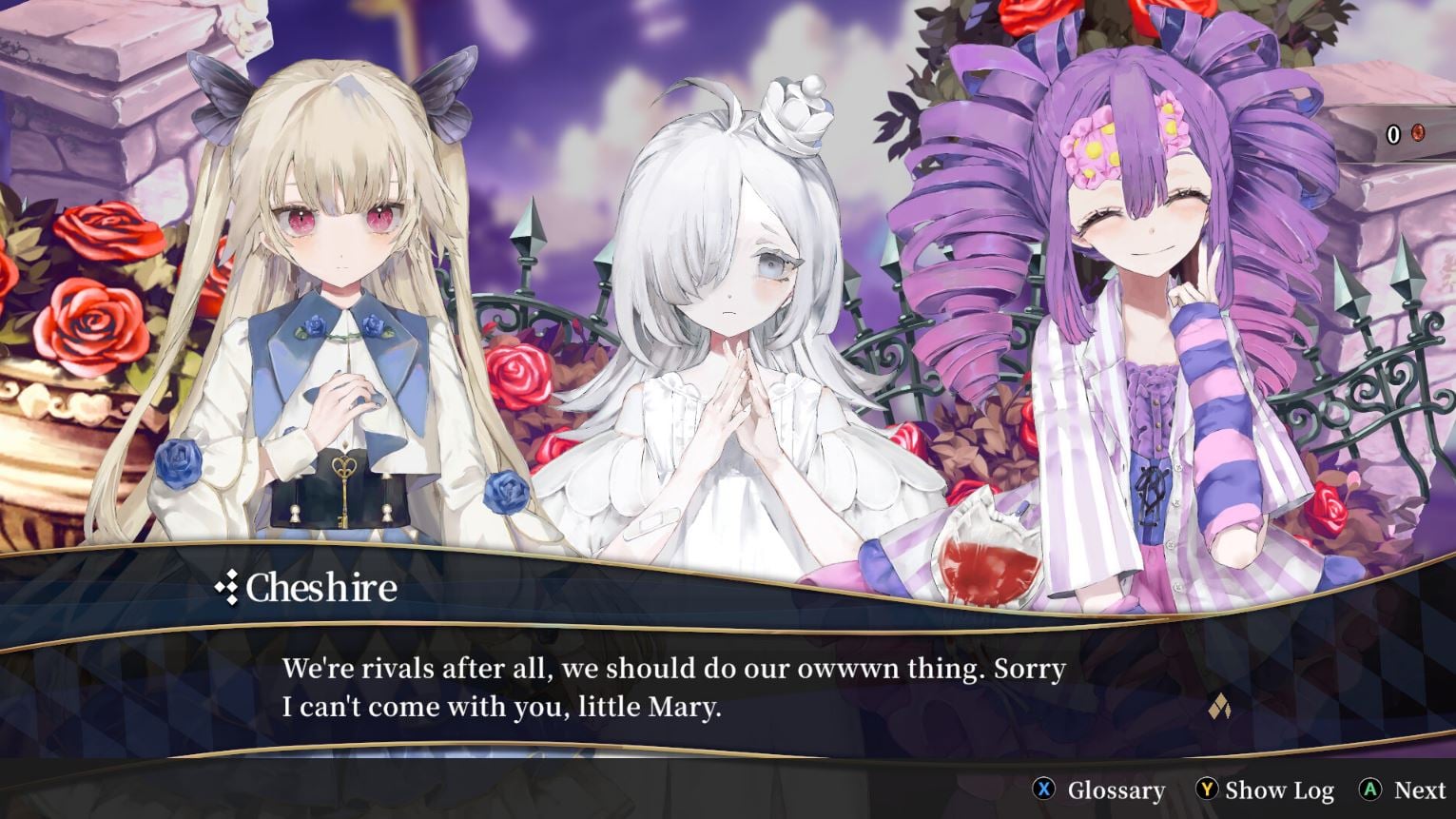
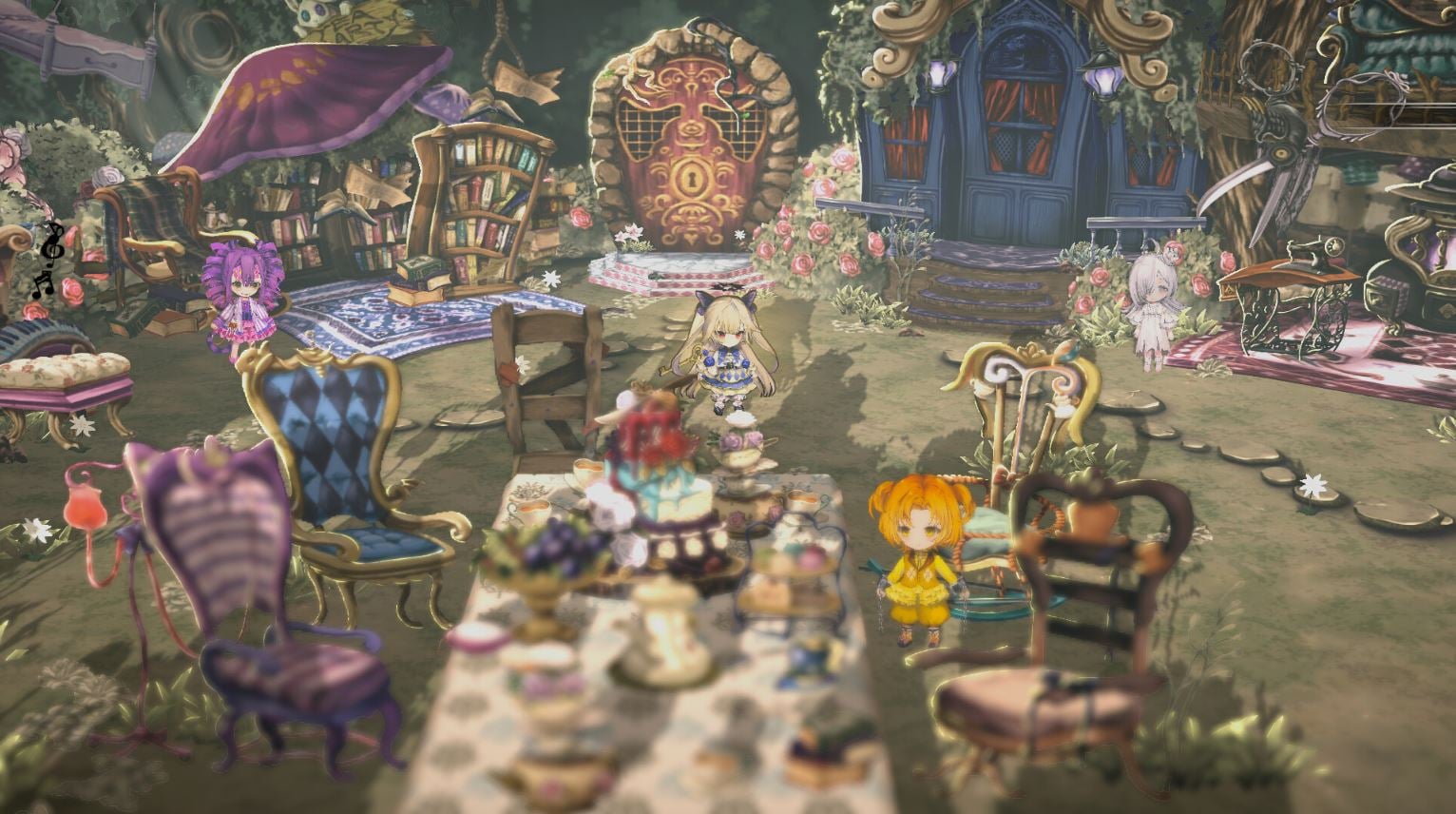
A story depicting the messy, complex relationships of young girls
—How did development on CRYMELIGHT begin?
Isobe:
We started developing CRYMELIGHT as a story-driven game, given the high praise Crystar and CRYMACHINA received from for their stories. I also consider CRYMELIGHT to be a game built around its narrative.
When we were creating the story for this game, it was already decided that “Alice’s Adventures in Wonderland” would be the motif, so we asked Naoki Hisaya, who was in charge of the scenario, to write a story built around that. We then incorporated various game elements on top of the story he created.
—Why did you choose Alice’s Adventures in Wonderland as the motif for CRYMELIGHT?
Isobe:
First of all, I personally love the world of Alice’s Adventures in Wonderland. It’s a beautiful and strange work, and that was one of the things that made me want to create a game inspired by it.
Another major reason is that Alice’s Adventures in Wonderland is so widely known and familiar. Even in Japan, most people can immediately picture the protagonist, Alice. CRYMELIGHT’s protagonist, who is also named Alice, shares some traits with her too, so we used Alice’s Adventures in Wonderland as a motif to represent an innocent and pure girl.
—Alice’s Adventures in Wonderland has inspired many games. What would you say makes CRYMELIGHT’s take on the theme unique?
Isobe:
While the world is based on Alice’s Adventures in Wonderland, we’ve tried to portray the characters’ inner selves realistically. We explore the girls’ “messy” human relationships and depict their suffering, jealousy, and other emotions. I think CRYMELIGHT’s pursuit of realistic emotions is what sets it apart from other works.
I’d also like people to pay attention to the characters’ visuals. For example, Cheshire is visually very fantasy-like, resembling the actual Cheshire Cat from Alice’s Adventures in Wonderland. However, if you look closely, there’s something resembling a blood transfusion bag coming outside of her pocket, with a tube running from it as if she is receiving a blood transfusion. The characters in this game have arrived in the afterlife after dying, and, in Cheshire’s case, her design reflects her past of receiving IV treatment in a hospital while she was still alive.
CRYMELIGHT is a story-driven roguelike
—Why did you choose the roguelike action genre for CRYMELIGHT?
Isobe:
One of the reasons why we made CRYMELIGHT a roguelike action game is that the genre has become much more widely recognized compared to the past. That’s true in the indie game scene as well, with Hades, for instance, being a major example. There have been popular titles in the genre, so players have grown familiar with what a roguelike is. On top of that, I found the roguelike gameplay loop of dying and starting over repeatedly to be a very good fit for CRYMELIGHT.
—What makes CRYMELIGHT unique compared to other roguelike games?
Isobe:
Among the many roguelike games out there, what makes CRYMELIGHT distinctive is how thoroughly it depicts its story. I don’t think there are that many roguelikes that prioritize narrative as much as this one. Given the nature of roguelike gameplay, where you repeatedly start over, I think it’s inherently difficult to make a story-focused roguelike. Even so, I think CRYMELIGHT has shaped up into a roguelike that tells its story in depth.
As a general rule, all story scenes that the player has already seen can be skipped. And even if you skip a scene, you can read a brief summary of it. This feature ensures players don’t forget things. A new story unfolds whenever a character dies, which I think sets CRYMNELIGHT apart as a story-focused title that differs from other roguelikes.
—Roguelikes inherently involve repeatedly dying and retrying, but what kind of difficulty level are you going for in CRYMELIGHT?
Isobe:
We’re still adjusting the difficulty balance, but ultimately, we want both users who aren’t experienced with roguelikes and those who are to be able to play the game without any problems. We’ve also added features that allow people who aren’t good at action games but enjoyed the stories of Crystar and CRYMACHINA to play without issue.
For example, in many roguelike games, dying generally means starting over from the beginning. In CRYMELIGHT, however, you can retry from the area where you died. Even if you die, there’s a feature that lets you restart from about one minute before your death.
—In terms of overall volume, how much playtime does CRYMELIGHT offer?
Isobe:
It’s difficult to give a definitive answer, but I think it will take more than 20 hours if you play normally. It also depends on whether the player is good at action games, so we’ve listed the playtime as 20 to 30 hours on the official website. The digital version costs $19.99 USD, but I think there’s enough content to rival a typical full-price title. We gave it as much content as we could without getting chewed out by the company (laughs).
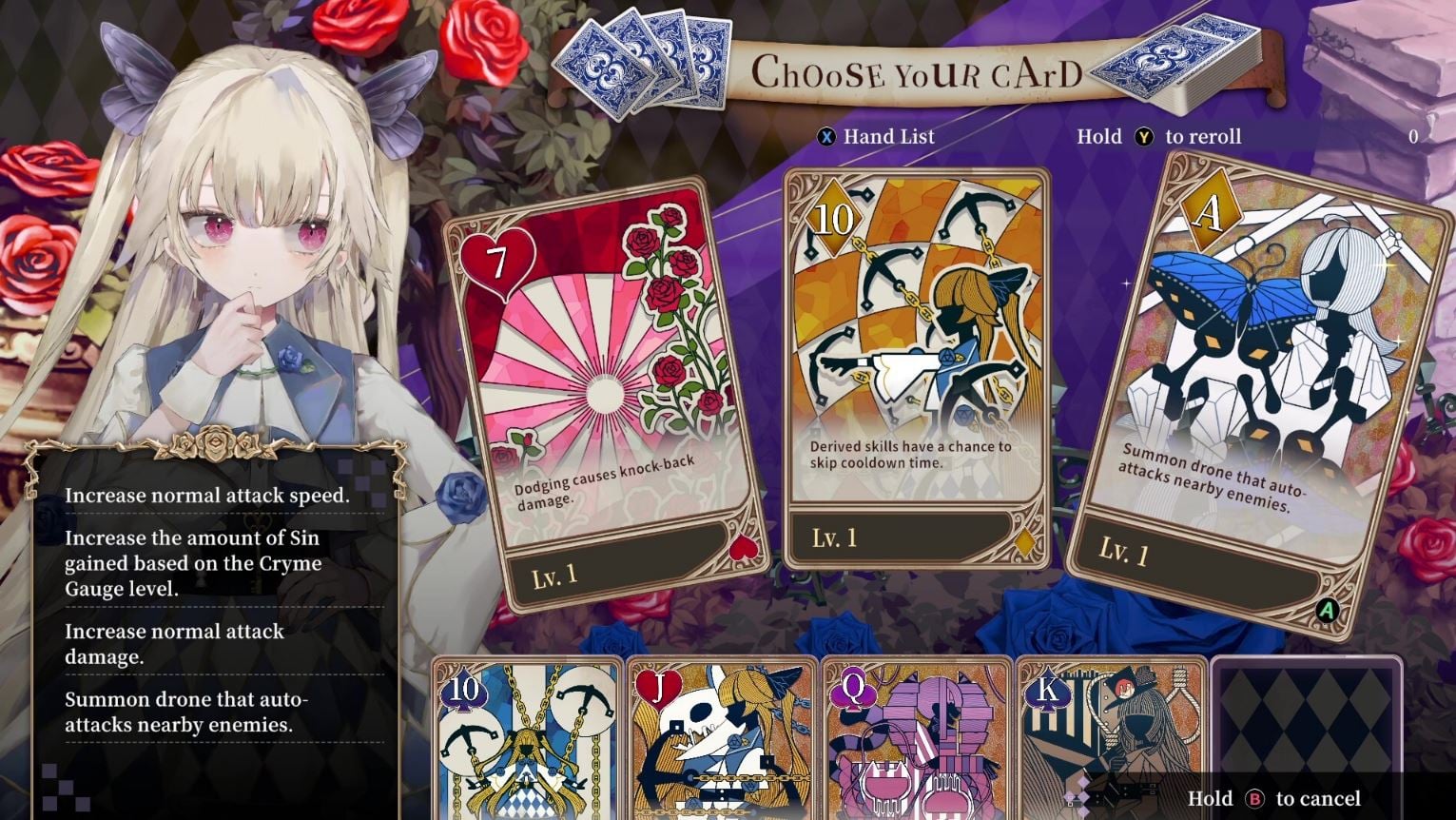
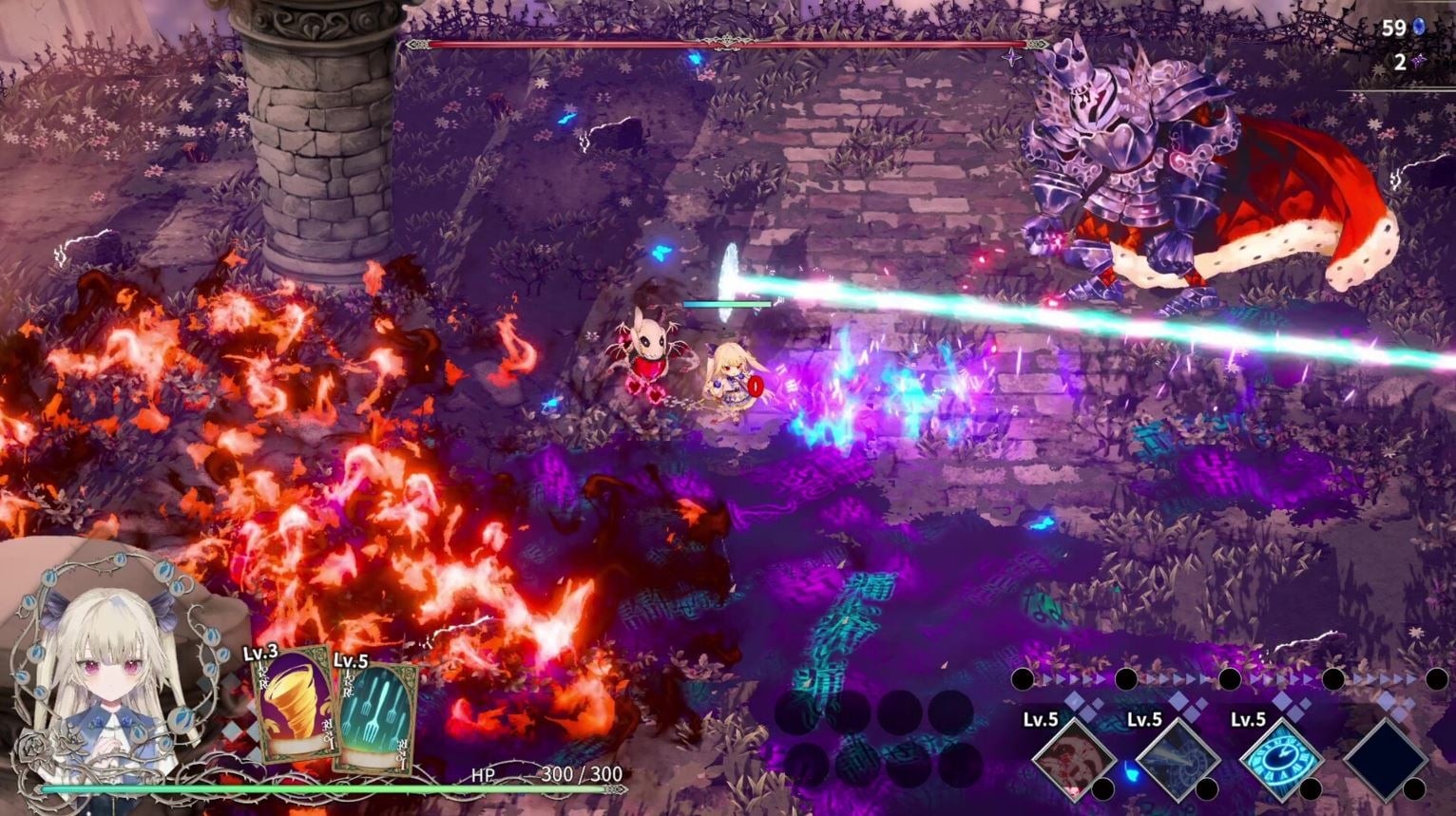
—How has the response from players been to the CRYMELIGHT demo? And what are your ambitions for the full release?
Isobe:
We received a lot of feedback from players on the battle demo we released on Steam in August. There were many opinions about the combat, and we basically read every single one of them. We made adjustments based on that feedback, which are reflected in the official demo that came out in September. We’ll also incorporate as much of the feedback we receive on the official demo as possible into the full release, so please give it a try.
By the way, CRYMELIGHT has a mechanic where you strengthen your characters by creating poker-like hands. Even I haven’t encountered the strongest poker hand – a royal flush – myself yet. So if you manage to make a royal flush, please share a screenshot of it with us on social media or elsewhere!
—Thank you very much.
CRYMELIGHT is scheduled to release on November 5 for PC (Steam), PS5 and Nintendo Switch 2.