Developer of poignant “post-cozy” game Danchi Days reveals sales reached just a third of expectations, offers candid analysis on missteps in Wishlist conversion and marketing
Developer Melos Han-Tani explains what led them to overestimate how many of Danchi Day's Wishlists would translate to sales.

Following the release of Danchi Days on October 29 on Steam, developer Melos Han-Tani revealed that the game’s first-week sales had reached only about a third of expectations. Taking into account projected sales and overall costs, he predicts that the game will have a difficult time making back its development budget of roughly $200k USD. Han-Tani has shared various statistics and his analysis of what went wrong, in hopes that the insights may be useful to fellow developers.
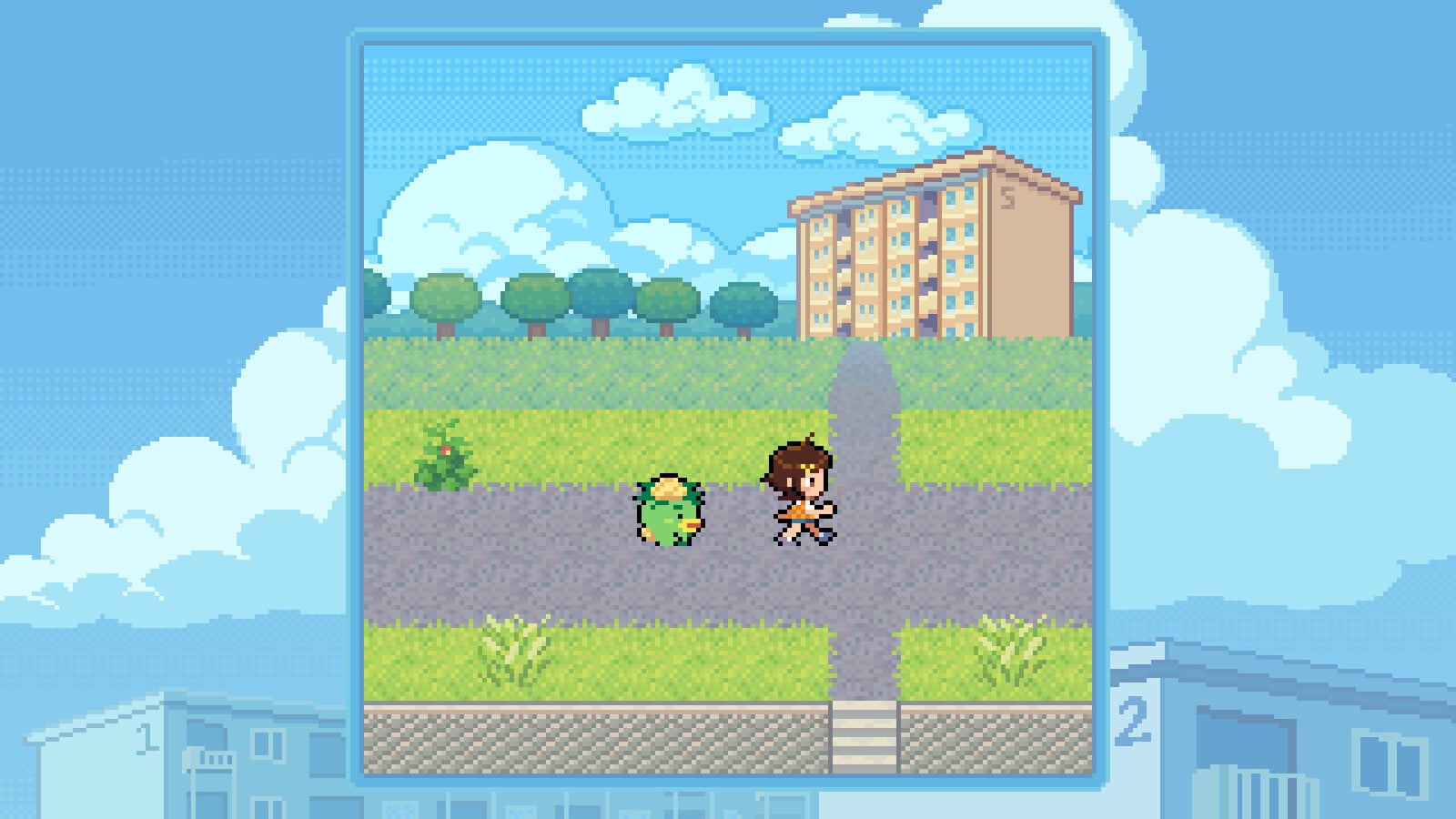
Danchi Days is a five-chapter retro-style adventure game that puts you in the shoes of Hoshino, a young elementary school student. She lives with her father and grandmother who has dementia in a housing complex with a rapidly aging population. After learning that her grandma once played a leading role in organizing the complex’s annual summer festival, Hoshino decides to bring the event back. With just 10 days to go before the deadline, she sets out alongside her kappa companion to make the festival happen. The game combines a bright, cheerful atmosphere with heavier themes such as aging and dementia. Since its Steam launch, the title has earned a “Very Positive” rating on Steam.
Han-Tani attributed the underwhelming sales results to several factors, including a low Steam Wishlist-to-purchase conversion rate of 2.2%. While Danchi Days had accumulated 55,000 Wishlists by the time it launched, roughly 1,500 copies were sold in the first week – 3,500 copies lower than the developer had expected.
Based on how things are looking right now, he expects the game to sell 5,000 copies in its first year (the expected number for first week sales) and around 10,000 copies over the next three years. While popular streamers, discounts, and the planned Nintendo Switch and PlayStation console ports could potentially boost sales, Han-Tani doesn’t expect Danchi Days to exceed the new sales projections. Thankfully, Analgesic Productions isn’t in danger of shutting down, thanks to the successful release of the studio’s last game, Angeline Era.
As mentioned, Danchi Days’ first-week Wishlist-to-purchase conversion rate was just 2.2%, whereas the developer had been expecting around 6–7%, based on their experience with Angeline Era’s launch. An analysis of Steam’s Wishlist data revealed that users who added the game shortly after its store page went live (likely fans of the dev’s previous works) were much more likely to buy it (7.4%), while those who discovered it through later marketing efforts, particularly showcases and ads, converted at much lower rates. Since a large proportion of Danchi Days’ Wishlists came from showcase exposure, this contributed to the developer mistakenly overestimating sales projections.
Danchi Days’s “post-cozy” genre might have thrown off cozy fans
Han-Tani added that another reason for the weaker-than-expected performance could a mismatch between players’ expectations of a “cozy game” and the actual genre of Danchi Days.
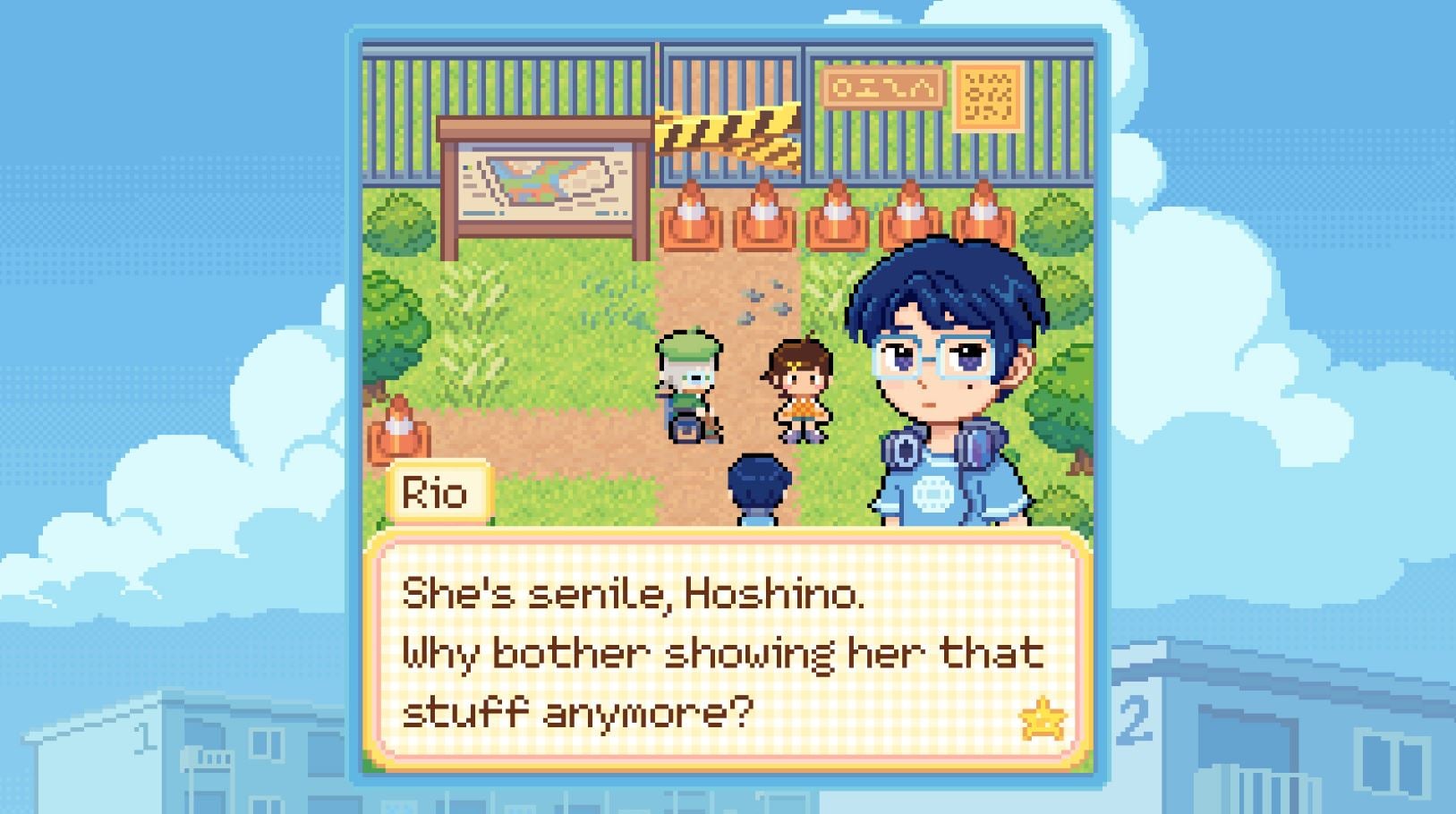
He categorized Danchi Days as a “post-cozy” game, featuring elements of RPG cutscenes with no battles or numbers, a focus on reading similar to visual novels, exploration similar to 2D adventure games without the combat, fake OS interfaces, and a point-and-click narrative design. More importantly, Danchi Days has an aesthetic similar to cozy games but does not offer the typical gameplay associated with the genre, such as quest logs, money, farming, or business mechanics. .
As a result of these disconnects, he believes that some fans put the game to the side in their Steam Wishlist, thinking “I’m not totally sure what this is, but I’ll keep an eye on it because I like the vibe.” The narrative’s darker themes, which include dementia, might have also made the game harder to sell, as they present another element that strays from cozy game conventions.
Looking back, Han-Tani thinks that he put too much stock in Steam Wishlist numbers. While Danchi Days’ demo was streamed by many people, it never got huge “blow-up” moments on social media that would catapult it into the spotlight. The game’s organic Steam Follower growth was also slow, underperforming Angeline Era (which launched with fewer Steam Wishlists). He added that he “overestimated how much interest there would be in a game that adopts the visual style and narrative tone of cozy games without including many of the genre’s standard elements.”
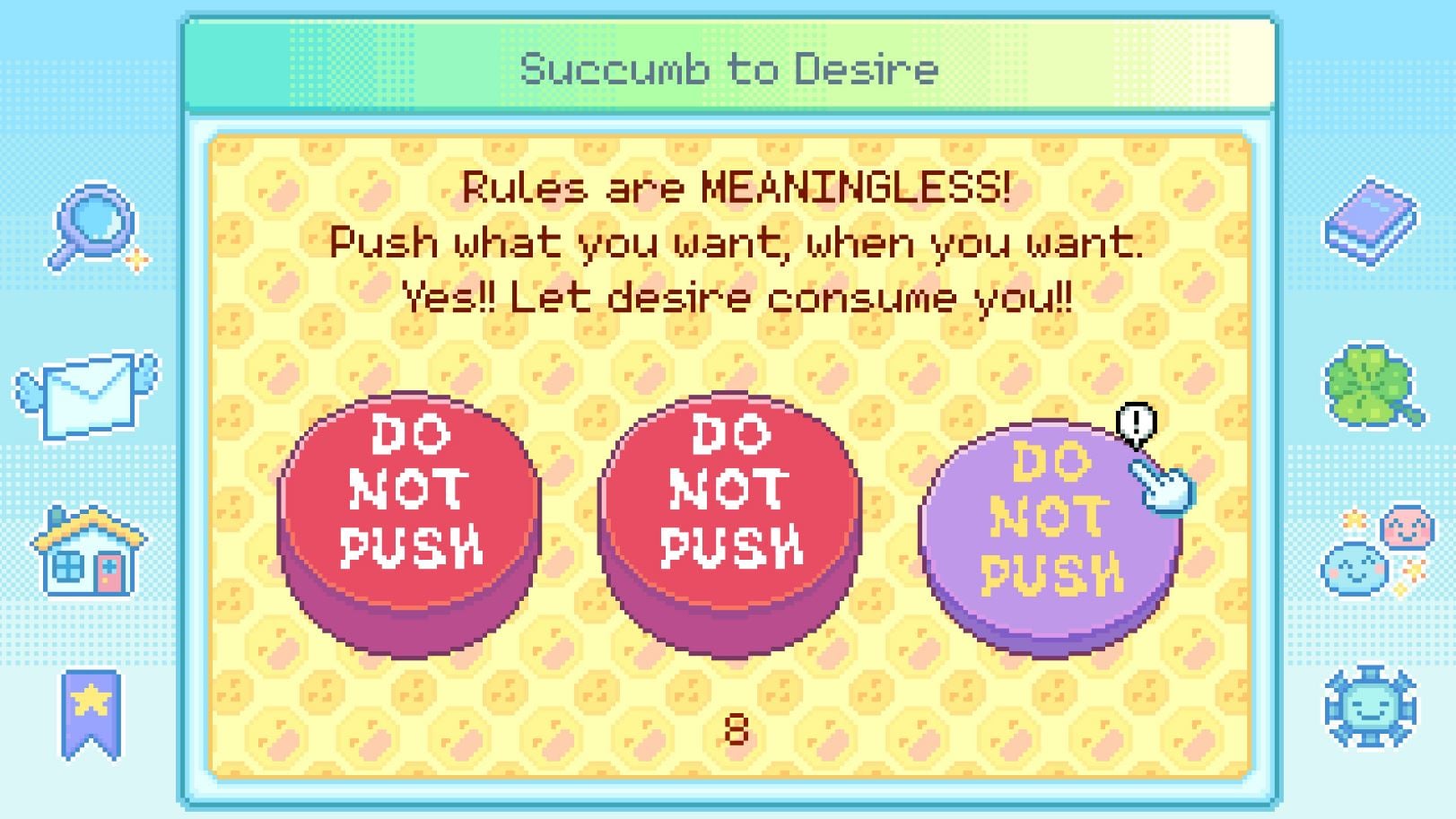
Despite his findings, Han-Tani doesn’t regret Danchi Days’ art style, genre, or narrative direction. In fact, he thinks of it as a blow to storytelling and games in general if creators can’t use certain aesthetics to tell stories that are outside established genres.
Moving forward, the developer plans to shift toward marketing angles that emphasize more of Danchi Days’ mechanics so viewers can get a better idea of what type of game it is. Two examples he gave would be to focus on the quest design and how talking to neighbors plays into the core mechanics. While changing Danchi Days’ art style, genre, and narrative could help improve its sales, Han-Tani says this would ultimately make it a different game than what he envisioned.
Danchi Days is available for Windows and macOS (Steam), with Nintendo Switch and PlayStation ports planned. A free demo is also available.

Carlos "Zoto" Zotomayor
Articles: 1360Related Posts