

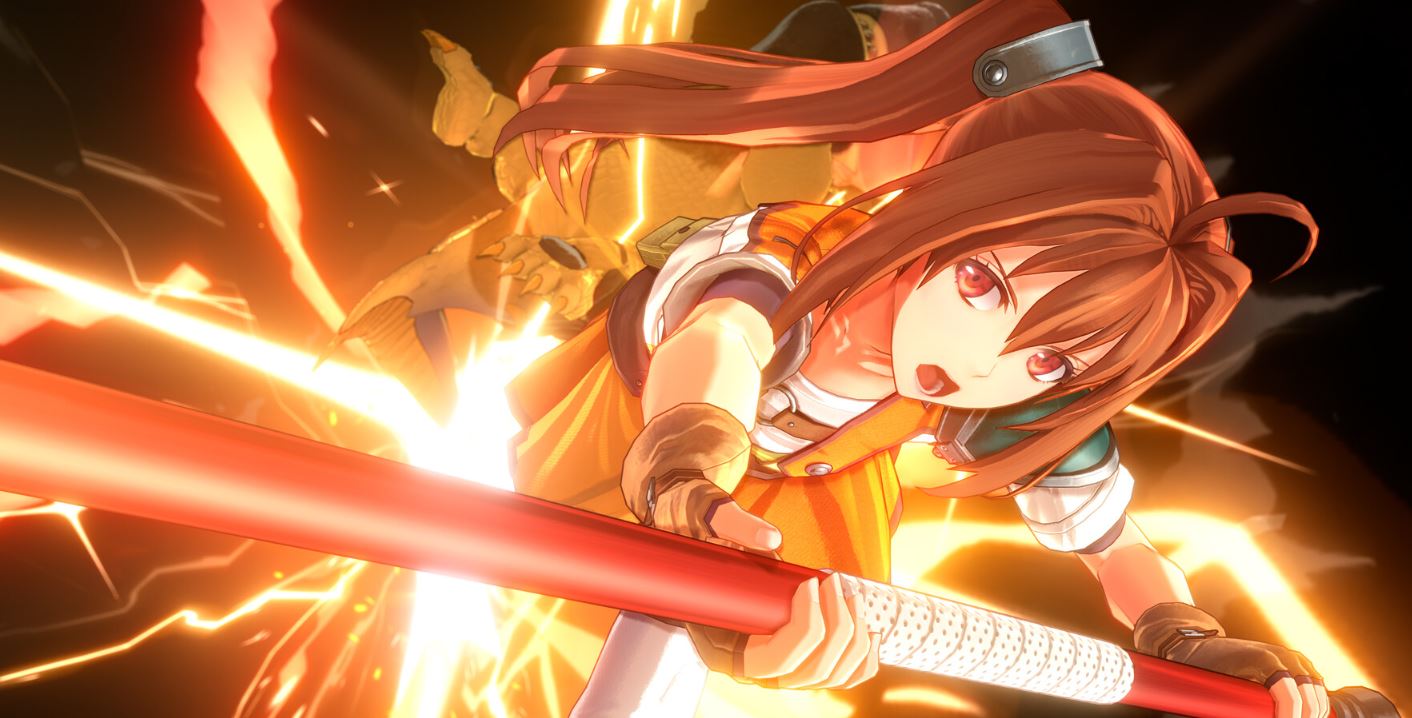
Tomorrow, Nihon Falcom will release the brand-new action RPG Kyoto Xanadu in Japan and Asia, followed by the much-anticipated worldwide release of Trails in the Sky 2nd Chapter, coming only three months later. While Nihon Falcom has previously positioned “two new titles a year” as a future goal it strives to, president and CEO Toshihiro Kondo recently talked about whether 2026’s dual release means the studio has now achieved this goal, and why he considers this to be so important for the studio’s future.
In an interview with South Korean gaming outlet ThisIsGame, Kondo says he is more inclined to attribute Nihon Falcom’s larger output in 2026 to good timing (note that this article relies on machine translation, so exact nuance should be taken with a grain of salt). In his view, the studio has not yet built a structure capable of consistently delivering two new titles a year, and he cannot definitively claim that they’ll be able to pull off the same thing next year.
Rather, the release of Kyoto Xanadu was possible because an independent team, whose members don’t overlap with the core Trails and Ys development teams, had been working on it “behind the scenes,” and the project happened to be completed at the right time.

However, releasing two new titles annually continues to be Kondo’s ambition. A challenge Nihon Falcom faces is that its heavy focus on developing established IPs like Trails means there are too few projects where its younger staff can evolve and challenge themselves. Kondo believes that if younger developers aren’t provided with opportunities to experiment and improve, there will be no successors capable of carrying Nihon Falcom into the future.
Of note, he mentions that the company has gradually been increasing its headcount (69 people as of the end of March 2025), while also expanding the number of producers on board capable of overseeing projects. Ultimately Kondo’s goal is to establish a structure under which Falcom can routinely release one flagship IP entry (such as Trails and Ys games) and one original project every year.
The upcoming Kyoto Xanadu, though a successor to the existing Tokyo Xanadu, is an example of the latter, as it was headed by Nihon Falcom’s young newcomers alongside more experienced (but recently hired) mid-career veterans. As a result, the game has a “freshness” that sets it apart from existing Falcom titles, and Kondo hopes to increase the number of such projects going forward.
Related: Nihon Falcom reports 1227% year-on-year operating profit growth thanks to strong overseas sales


Definitely a smart way of handling things, especially as other companies focus too heavily on talent with experience over helping new talent to learn while the experienced talent are still around so the company can build for the future. It’s a win-win as the foundation is laid for when the veterans retire, or otherwise exit the company, while also bringing in fresh new ideas for existing properties 🤔
Just finished ys 8 a few hours ago, now I only have 7 and 10 to go. I beat trails fc on PSP an eon ago, always meant to get back to the series, but they literally put out top quality games faster than I can keep up. Apparently they officially support English language novelizations of the ys games, which is wild. Falcom deserves all the success in the world, and I hope they raise a new generation of genius devs.