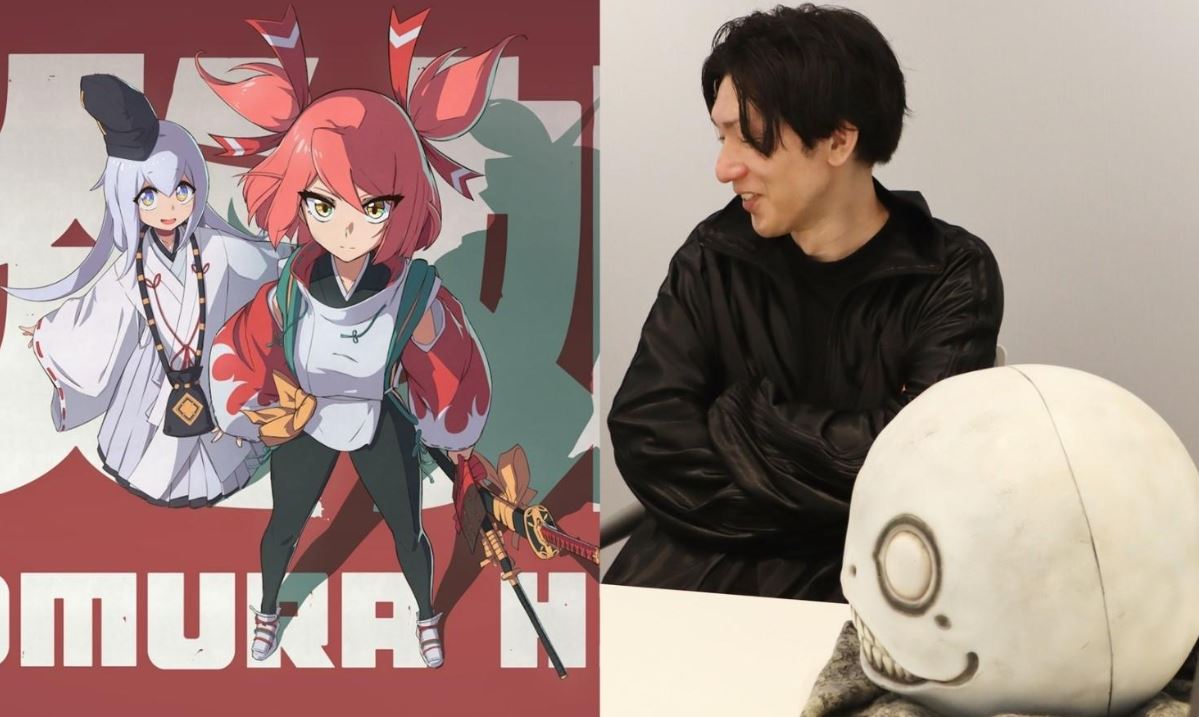
PLAYISM released Homura Hime on March 4 for PC (Steam). Boasting anime-style visuals, Homura Hime is a 3D action game developed by Crimson Dusk, a small indie team based in Taiwan.
Disclosure: The publisher of this game, PLAYISM, is part of Active Gaming Media, the owner of this website.
The game is set in a world where humans and demons coexist. Souls that die harboring strong emotions or deep unresolved regrets transform into archdemons – beings that can corrupt the world with their power and turn others into lowly, instinct-driven monsters.
The protagonist, the titular Flame Princess (voiced by Tomori Kusunoki), and her aide Ann (voiced by Manaka Iwami) are sent on a divine mission by the nation’s High Priestess to purify the world and eliminate the threat of five extremely powerful demons.
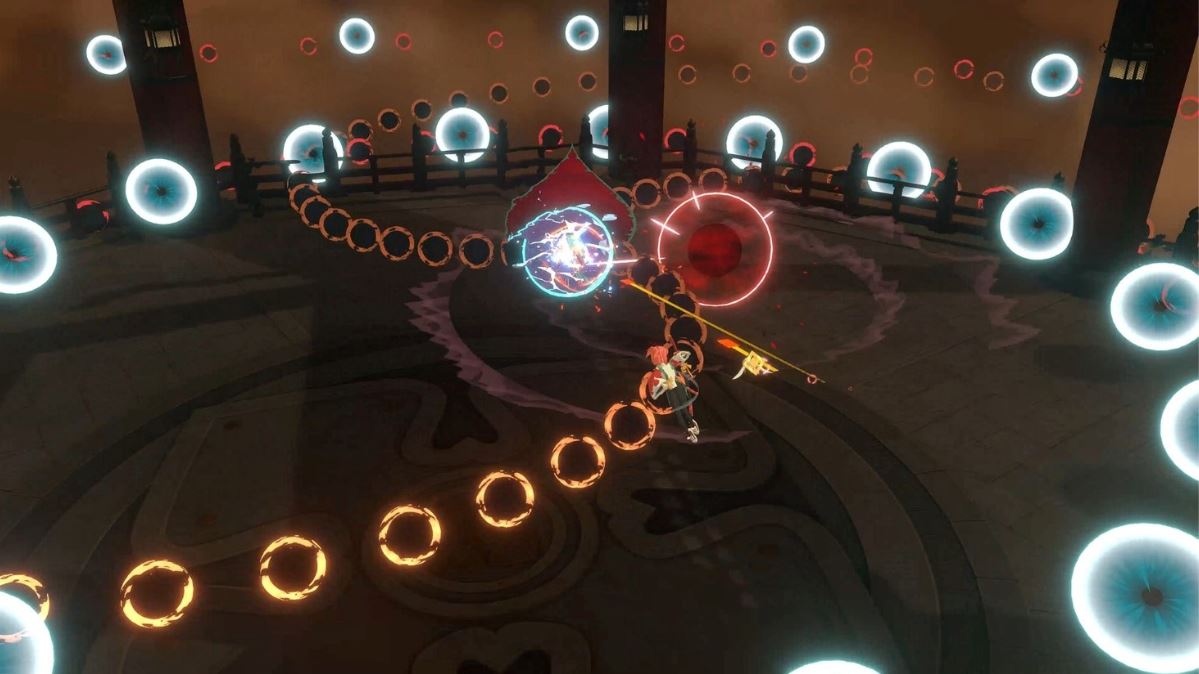
Homura Hime’s gameplay revolves around performing stylish combos while dodging and parrying enemy attacks. You can execute light and heavy slashing attacks as well as chained and upward slashes.
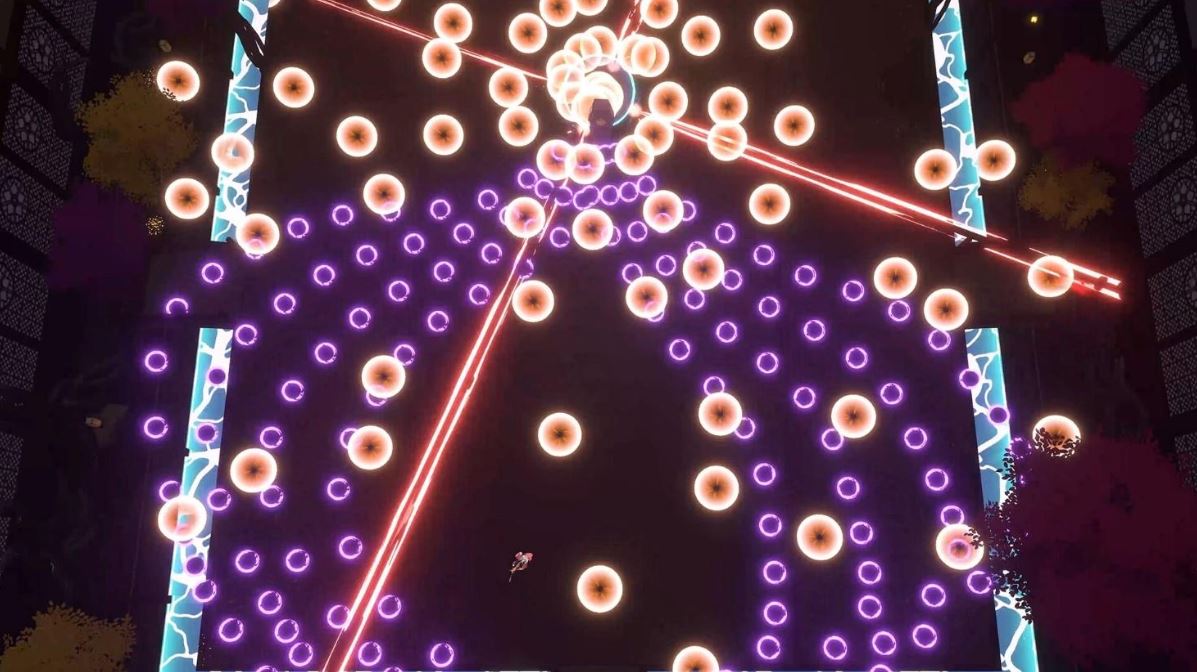
As the trailer above shows, Homura Hime also features 3D bullet-hell gameplay, which is just one of several aspects of the game that draw inspiration from the NieR series. Starting out as a student project, the game was developed over a six-year period by the small team at Crimson Dusk.
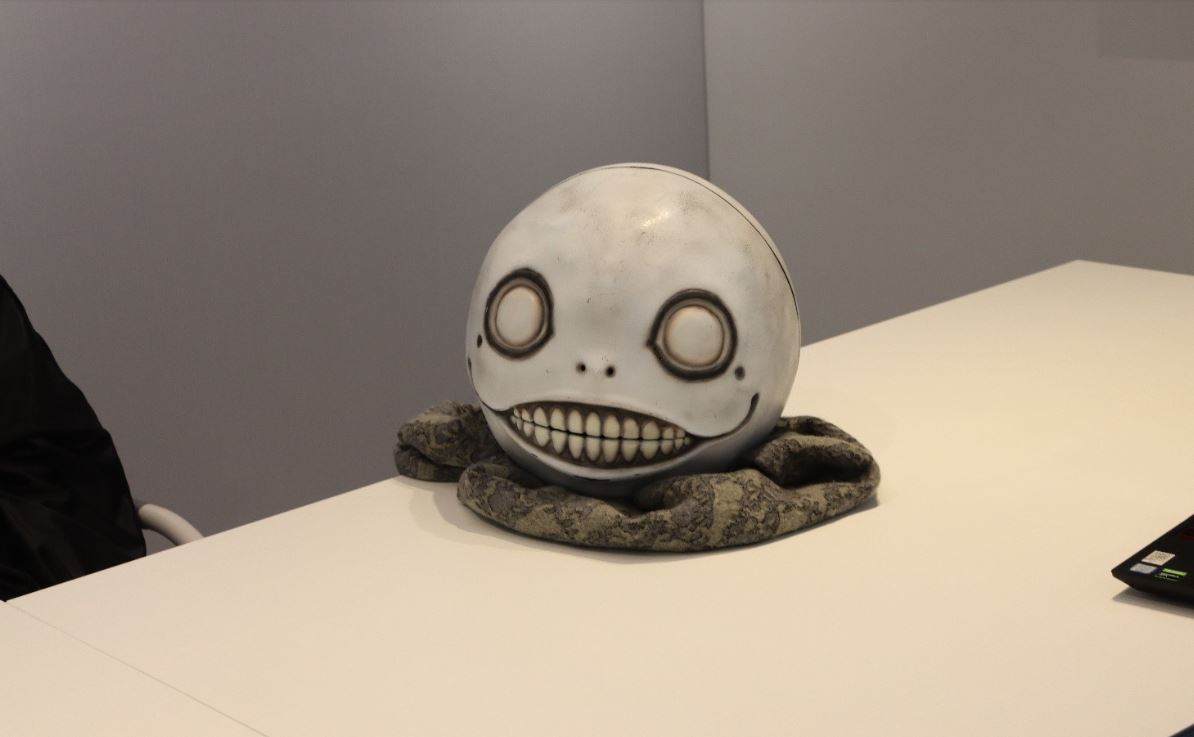
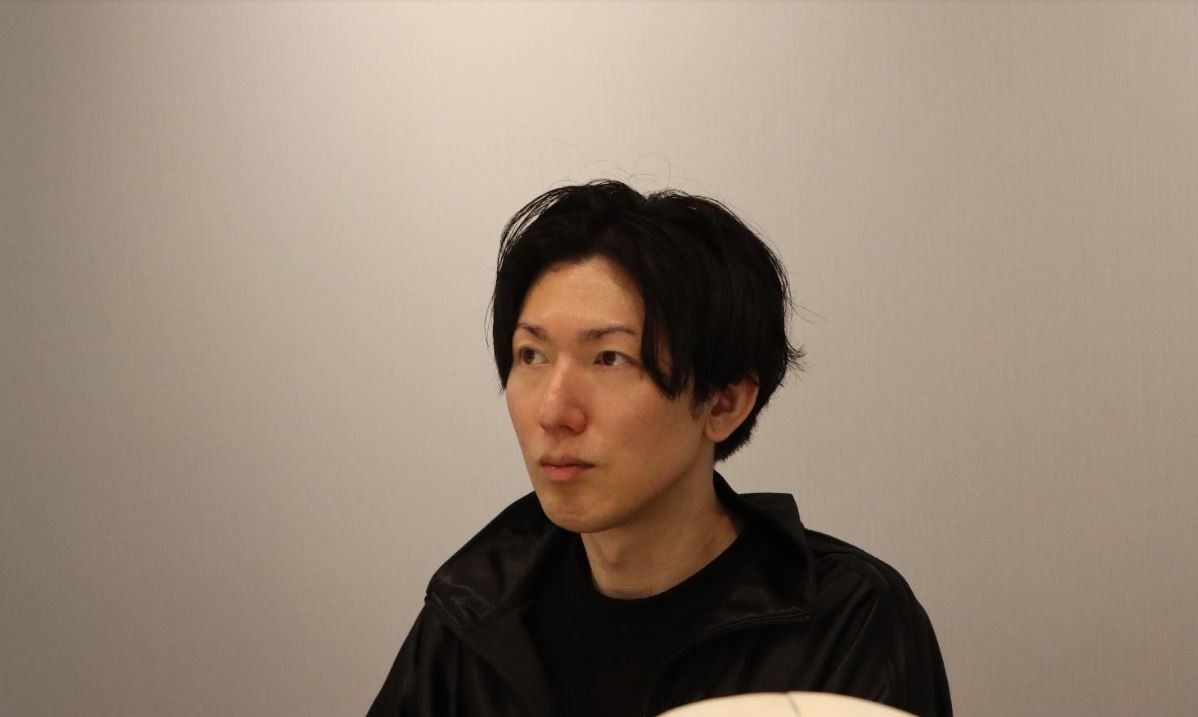
Given the game’s strong NieR influences, we wondered if it might be possible to hear the thoughts of the NieR development team themselves. Luckily, Square Enix and NieR: Automata developers Yoko Taro and Takahisa Taura readily agreed to a three-way interview with the Homura Hime development team. What resulted is a pretty unique dev-to-dev discussion in which the Crimson Dusk team received no-nonsense feedback and creative insights from the NieR: Automata duo.
Yoko and Taura’s honest first impressions
—Thank you very much for taking the time to speak with us today. I understand that both of you have already played Homura Hime. What were your initial impressions?
Taura Takahisa (hereafter Taura):
At first glance, the cute characters immediately caught my eye. I personally really love this kind of anime-style character design, so I was very excited about the idea of controlling them in action. Then, actually playing the game, I was a bit surprised by the gap I felt – it demanded surprisingly precise controls, and bosses required solid effort to beat. It felt like a through-and-through action title, and it left the impression of a challenging game.
I died multiple times during boss fights, but once I carefully learned the enemy’s movements and how to counter them, I was able to defeat them. I sensed a strong focus on balance from the development team, and I honestly enjoyed playing the game.
Crimson Dusk:
Thank you very much for the praise! The difficulty is indeed set a little higher; that’s something we were particular about.
PLAYISM producer:
It’s not exactly what you’d call a die-and-retry or soulslike game, but we do often hear that the action feels fairly challenging for an anime-style action game. That’s helpful feedback.
—And what were your first impressions, Yoko-san?
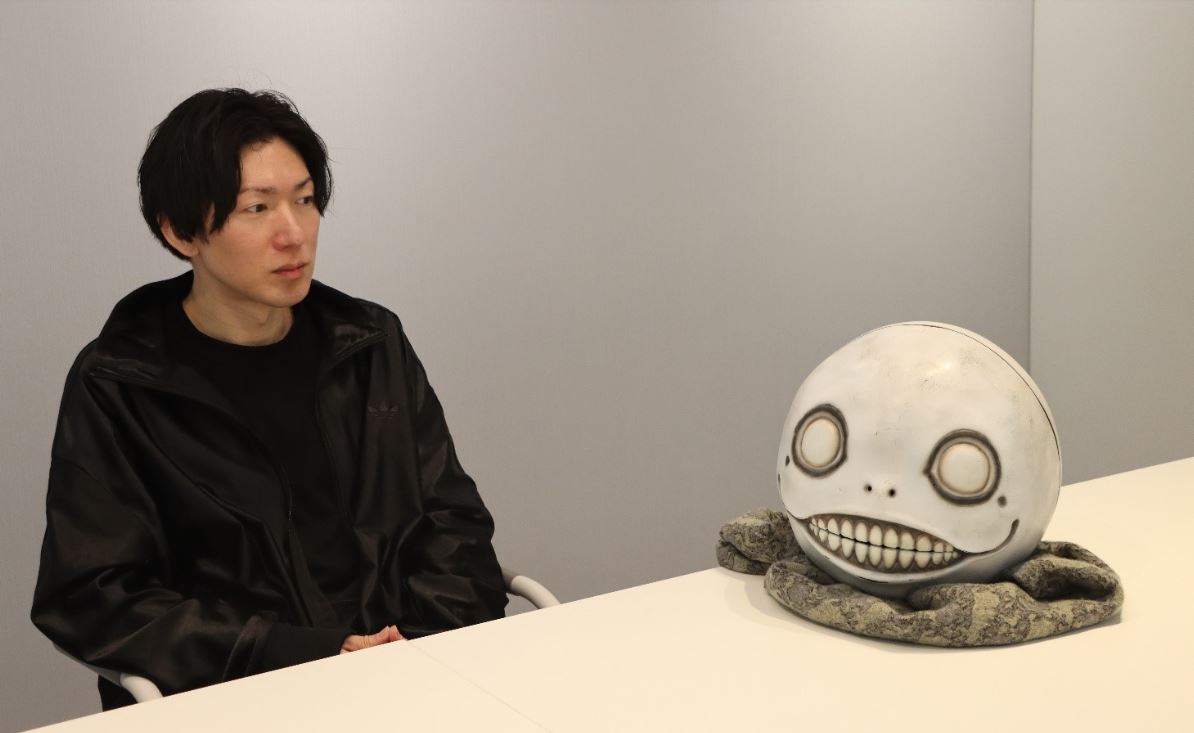
Yoko Taro:
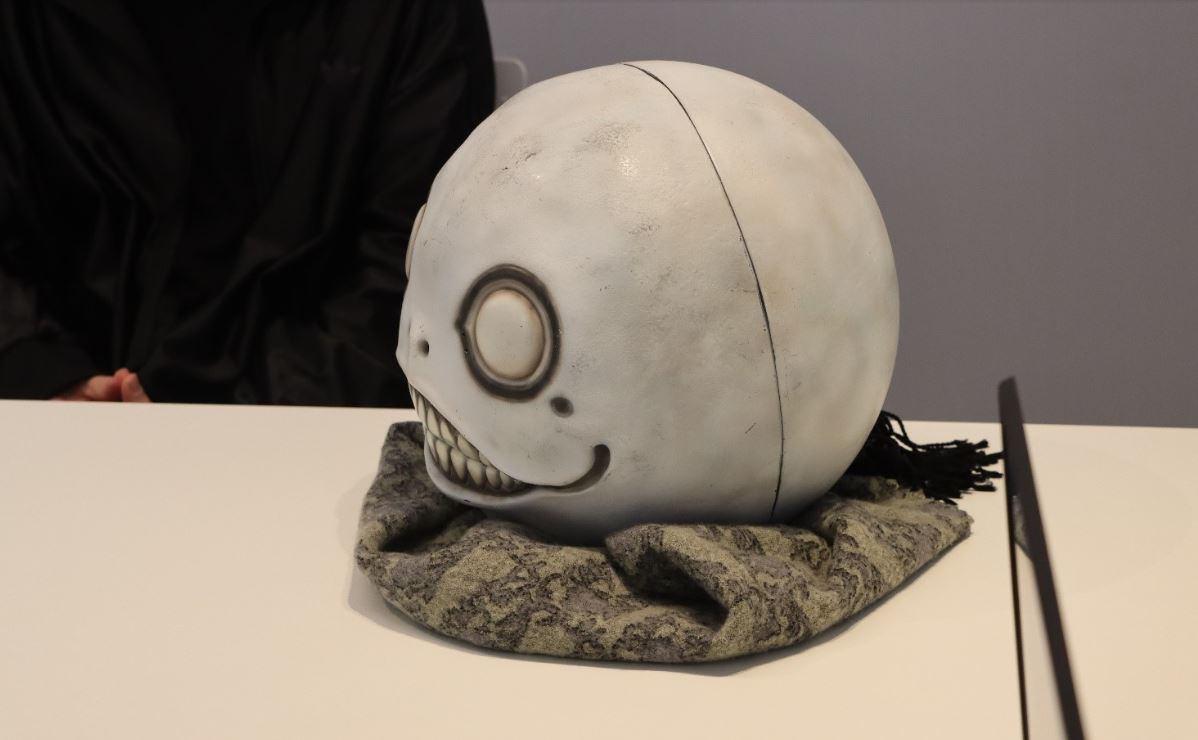
First of all, I’m extremely grateful that you say your work was inspired by NieR: Automata. At the same time, a large part of Automata’s success was due to luck, so… I do wonder what exactly there is to learn from it.
—What do you mean by that?
Yoko Taro:
I assume Homura Hime was made by a small team. Automata, on the other hand, was created at a large company with a significant number of staff members. So, I think the amount of resources available to the two projects was completely different.
With that in mind, one thing I really liked about Homura Hime is how packed it is with all kinds of ideas. There are cute anime characters, bullet-hell elements, and when it comes to action mechanics, there’s even terrain-based platforming. When we make games professionally, we think very strictly about what we can create relative to cost constraints. If you have a small team and a limited budget, you would normally shrink the scope as much as possible and aim for a compact game like Vampire Survivors, for example.
— So, you’re saying there’s a lot of love poured into the game.
Yoko Taro:
Right now, indie games in particular are increasingly moving toward this compact development approach. Against that backdrop, I could really feel the determination to create something on the scale of a big console title like Automata even with a small team. I thought that was wonderful.
I personally hope indie developers and younger creators keep doing things that are a bit reckless like that. I don’t want everything to become small, clever, and polished, so I was genuinely happy to see a game like this appear.
Since you’re attempting something that ambitious, there are of course various small details in the game where I thought, “It might be better if this were done differently” (laughs). But my most honest impression is that this kind of 3D action game will inevitably be compared to titles from big-name companies. The team is working incredibly hard and has so many great aspects, but it feels like a shame they’re already standing on a field where they’ll be measured against the giants.
Crimson Dusk:
…It’s exactly as you say, Yoko-san. After we announced Homura Hime, people online did actually describe it as a “low-budget NieR: Automata.” During development, we strove to introduce elements that would differentiate it from other action games, so we added things like parry mechanics and bullet-hell sections, and eventually concluded that this was the best way to distinguish it within the genre.
Expert feedback from Yoko and Taura
Yoko Taro:
The basic feel of the controls, or what you’d call the core structure of the game, is very solid. Parrying feels good, and the action overall has a satisfying tactile feel. That said, there were various small surrounding elements where I found myself thinking, “If it were us, we’d probably do it like this instead.”
One area I think could definitely use adjustment is the platforming section where you need to capture a head. The difficulty there feels a bit too high, so it might be better to either make it easier to understand or make it an optional route instead of mandatory.
—That’s a very convincing point.
Crimson Dusk:
Thank you very much for the suggestion. We’ll try to adjust that before release if possible.
Everyone:
(laughs)
(As will be mentioned later, the developers went on to quickly incorporate Yoko Taro’s feedback into the final game.)
Taura:
The timing and controls do feel really punishing there.
Yoko Taro:
My impression was that actions like the hook jump and the aerial dash hook jump are used interchangeably, but it isn’t immediately clear at a glance which is required. That means players have to memorize steps, which can be tough.
There’s also a section early in the tutorial where you cross a ravine, and right from the start, you need to perform an aerial dash jump. Normally, you’d first let the player try a regular jump, then later introduce dash jumping.
Developers are very used to their own game’s controls, so they can handle it. But from the perspective of a player who isn’t already familiar with the game, it’s probably too difficult. I think the issue isn’t so much the difficulty of the actions themselves, but the order in which challenges are presented.
—That’s some very insightful advice.
Yoko Taro:
Taura-san, what do you think?
Taura:
If I were adjusting things to my taste, the hook’s range in the hook jump felt a little too short, so I often misjudged the distance and fell. I’d probably lengthen it slightly or tweak it. Alternatively, you could allow a double jump, or extend the hang time of the jump a bit. By adjusting the feel of the controls without fundamentally changing the mechanics, you could probably improve the overall player experience. I thought that could be a good direction to aim for.
…That said, we’re not speaking on behalf of all of humanity here, just as individual players, so ultimately, I think the development team should argue about it thoroughly themselves (laughs).
Crimson Dusk:
We’ll take your feedback seriously and decide within the team how best to adjust things. Still, we’re very grateful to hear your advice. Thank you so much.
Yoko Taro:
Also, from a marketing standpoint, since it’s a 3D action game, players will inevitably compare it to games from large companies. I think avoiding those kinds of comparisons is especially important nowadays. For example, you could start by emphasizing that the game was “made by a small team, driven purely by passion” and the like. It might be worth thinking about the promotional approach as well.
PLAYISM producer:
That’s… very educational.
Everyone:
(laughs)
Thoughts on the “inspired by NieR: Automata” label
—As the creators of NieR: Automata, how do you feel when other game creators say they were influenced by it? I realize it may be a bit late to ask now that you’re already here.
Yoko Taro:
Personally, I’m happy when people say they were influenced by NieR: Automata. Quite a lot of people seem reluctant to say it, maybe because they’re concerned about rights issues.
Sometimes I see games that look very similar, or hear others say, “This is basically Automata’s action system!” But the creators themselves don’t say anything. Perhaps they’re afraid people will accuse them of copying, I’m not sure.
But I personally see it as a form of respect or homage. That’s why I’d actually prefer people to say they were influenced by it, or even say outright that they copied it. Though I don’t know how Square Enix would feel about that (laughs).
—I’m relieved to hear that.
Taura:
(laughs) I think Yoko-san feels the same way, but I myself create things influenced by other games I played and thought were good back in the day. So when someone says they were influenced by something I worked on, it feels like I’m being included in that “wave of influence.” Personally, it makes me feel glad that I made it. It makes me think “I was able to create something that truly connects to the next generation,” which makes me incredibly happy.
Another thing I really liked [about Homura Hime] was the parry element you mentioned earlier. Rather than simply replicating your influences, you’ve properly transformed it into something that reflects what you yourselves want to create. Like that scene where you flick the stick to deliver the finishing blow to a boss.
There was actually one element where you did something I wasn’t able to do in Automata, and I was honestly a little jealous of it. It’s the system where shooting consumes a gauge and you can’t fire anymore once it hits zero. That’s something I wanted to include myself.
Yoko Taro:
A system where shooting consumes a gauge and you can’t fire once it hits zero… I’m the one who stopped that, right? (laughs)
Taura:
Yes, you said no to it (laughs), so when I saw it in the game I was like, “Yes!! This is exactly it!”
That said, while playing, I sometimes couldn’t tell when the shooting gauge had run out, and the gauge itself was displayed a bit far from the character. So I thought it would be better if it were clearer when you can’t shoot. Also, maybe the cooldown could be a bit shorter.
Crimson Dusk:
We’re truly grateful for the feedback. One of the reasons we introduced the parry mechanic was because we wanted to avoid players simply holding down the shoot button the entire time.
However, as you pointed out, the cooldown is quite long, so we designed it so that if you successfully parry during that time, the gauge recovers. We recognize that if a player fails to parry at that moment, it could feel frustrating, so we plan to fine-tune that aspect further.
—This has turned into a full-on advice session! Personally, I find Yoko and Taura san’s feedback very convincing.
How do you deal with the difficulty of making games?
—Both of you possess a strong grasp of the key points of game development. Do you consider that to be something you developed through experience working on many projects, or a kind of intuition you already had from the beginning?
Yoko Taro:
In my case, I learned through failure… and also through personal preference. Even if something seems obvious to me as the person making the game, once you actually have someone else play it, you often hear things like, “I don’t understand this control” or “I don’t know where to go.” At first, I couldn’t really anticipate these situations, but I gradually learned through repeated failures.
—Were those failures mostly something you’d notice during development, or after the game had already been released?
Yoko Taro:
Sometimes after release, but also through things like bringing in someone from accounting and suddenly asking them to playtest the game. We don’t really do that as much these days, though.
Crimson Dusk:
That’s very enlightening. We’re also learning from our own mistakes. We felt that Automata was incredibly well-balanced as an action game enjoyable for both core and casual gamers. But it’s difficult for a debut title like ours to reach that level of balance and quality. We’re still actively adjusting things even now, and we’ve realized how important it is to have real users play the game and test it. Recently we’ve had a lot of players try it.
—So making a game yourself really made you realize how impressive Automata was. Taura-san, how did you hone your instincts when it comes to core aspects of making games?
Taura:
Learning from failure was certainly part of it, but in my case, I was lucky to work in an environment where I was surrounded by veterans. While actually making games there, they taught me in many ways, basically holding my hand every step of the way. (laughs)
I also studied existing games. For action games that “feel good,” like Nintendo titles, I would try all sorts of inputs, like what happens if I tilt the stick slightly, what happens if I immediately bring it back, what if I flick it the other way, and so on. I’d try every input I could think of and see what kind of feedback the game returned. In that sense I was always playing games with the intent to learn – thinking about why something felt good, or what exactly felt bad if it didn’t. That became a big foundation for my own development work.
—So not just hands-on practice, but research is important as well.
Now, I’d like to pass along some questions from the Crimson Dusk development team. The games you two have created tend to be large-scale titles with many mechanics and gameplay systems. However, during development, there’s usually a gap between the ideas you initially envision and what can actually be implemented. How do you scale things down and find compromises as development progresses?
Yoko Taro:
What I personally do, or what I want and try to do, is actually the opposite of what you’re describing. My basic approach is to aim for something very compact from the start. We don’t have unlimited budgets, and there are limits to what we can create, so I narrow things down to what we can realistically pull off… starting with building the game’s core mechanics.
For example, if we decide that events will consist of three formats: “button-press events,” “cutscenes,” and “automatic in-game voice lines,” then we commit to running the entire scenario within that system and avoid adding anything beyond that.
We build the system properly, create what we can within it, and then make adjustments like, “If we move the camera this way, maybe we can achieve this kind of effect.” I don’t usually try to introduce entirely new things every time. Of course, once we actually start building things, sometimes it turns out to be boring or feels too restrictive. That’s where Taura-san and the team often take the liberty of pushing things further.
Crimson Dusk:
That’s very helpful. By the way, how did the bullet-hell elements that are now so characteristic of the NieR series originally come about?
Yoko Taro:
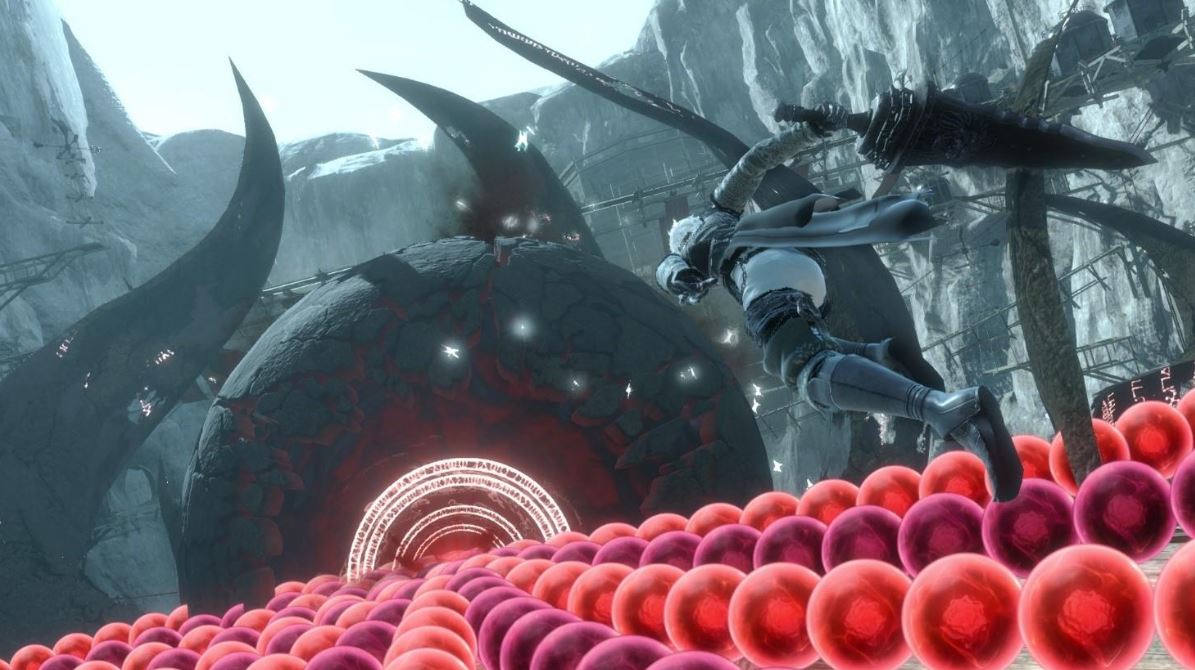
Bullet-hell elements were already present in NieR Replicant, but the simple reason was that I like shoot ‘em ups, so I wanted to include something like that. It was also something you didn’t really see in other games, so adding it would give the product originality. My initial thought was that it would make screenshots of the game stand out.
Crimson Dusk:
That makes a lot of sense. We also love bullet-hell games and used to play a lot of Touhou Project, so we were amazed by how Automata fused action gameplay with bullet-hell. We agonized quite a bit when deciding how strongly to balance the bullet-hell elements against the action. Whenever we got stuck, we would revisit the NieR series to search for solutions.
—So you confronted bullet-hell mechanics by studying NieR (laughs).
Yoko Taro:
In the NieR series, the bullet-hell elements are designed so that you can’t really die or kill with them. Technically you can, but if you rely only on shooting, it takes so long that it becomes tedious. Enemy bullets also aren’t that damaging, so you don’t need to desperately dodge them. In that sense, they’re closer to decoration, although that’s not to say that they’re meaningless. The balance is designed around the core objective of closing the distance and slashing the enemy.
Crimson Dusk:
During development, we also discussed a lot about how to balance bullet-hell and action gameplay, and our solution was to lower the overall importance of the bullet-hell elements while making melee attacks higher in damage dealt and received. We then elevated the significance of bullet hell only in scenarios where it’s the sole threat.
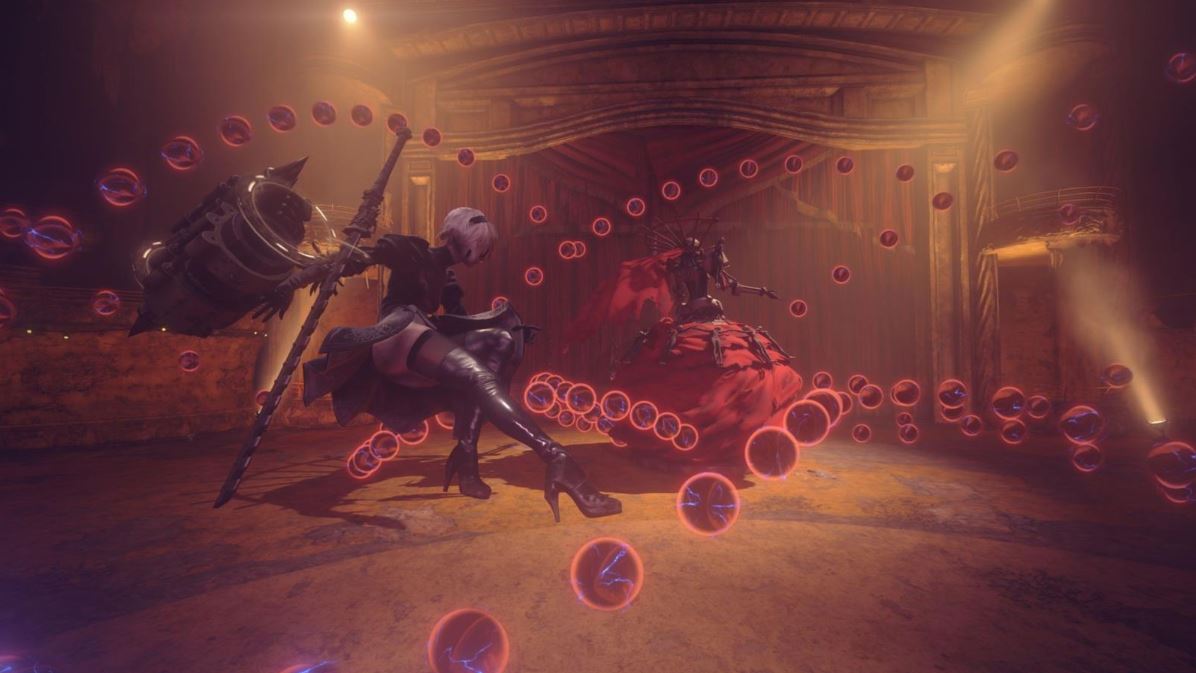
—Bullet-hell has practically become a tradition in Yoko-san’s games. How do the rest of the staff, including you, Taura-san, respond to that?
Taura:
When we started making Automata, the very first thing we decided to do was “add bullet hell.” Just putting that in gives it that “Nier series feel.” Rather than agonizing over game design first, we just tried firing bullets and seeing how they flew, then figured out what to do next from there.
As Yoko-san mentioned earlier, I think it’s really important for a game to have a strong visual impression, to the point that you can tell it apart just from a screenshot. I think it’s perfectly valid to add reasoning or consider how to make it playable after the fact.
—I see. While bullet hell might seem like a standard feature to players, from a development perspective, it plays a crucial role in establishing uniqueness and differentiation. That’s very insightful.
Next is another question from the development team. Within your team, how do you manage the balance of power between directors, designers, and other team members? If Yoko-san says “we’re doing this,” does everyone generally follow that direction, or are there debates within the team? How do you find compromises and reconcile different opinions?
Yoko Taro:
Personally, if a game can be completed without me having to voice my opinion, that would be ideal. As long as the product gets finished, that’s what matters. Whether I speak up or not is beside the point. Over many years of experience, I’ve come to realize that “you can only make what you are actually capable of making.” For example, even if I ask a programmer to implement something, if they can’t build it, then it simply can’t be built. (laughs). Once I learned that, my approach became to create a product using what the people involved are capable of making.
—So your approach to leading is more like looking over the project from a bird’s-eye view.
Yoko Taro:
Also, if something is already working well, there’s no reason to interfere. Instead, I focus on the areas that aren’t running smoothly and say, “I’d like to see this done this way.” So, when I worked with Taura-san on Automata, rather than me pushing things aggressively, it was often Taura-san adding actions and various scenes himself. I frequently found myself thinking, “Oh, so that’s how it turned out.”
Crimson Dusk:
Have there been instances where something a programmer implements turns out differently than expected – either for the worse or for the better – and that ends up changing the direction of development?
Yoko Taro:
That happens all the time. For example, when a design comes back looking different from what I imagined, I might adjust the story to match that design. Take Kainé in Replicant, for instance. Originally, I hadn’t imagined her as a character with particularly revealing clothing. But when I saw the design that came in, I came up with a backstory and narrative to match it.
The reason for this is that in development, some changes are more expensive than others. My approach is to adjust the part that’s cheapest to change. The cheapest thing to change is usually the scenario, so the story is the easiest element to revise.
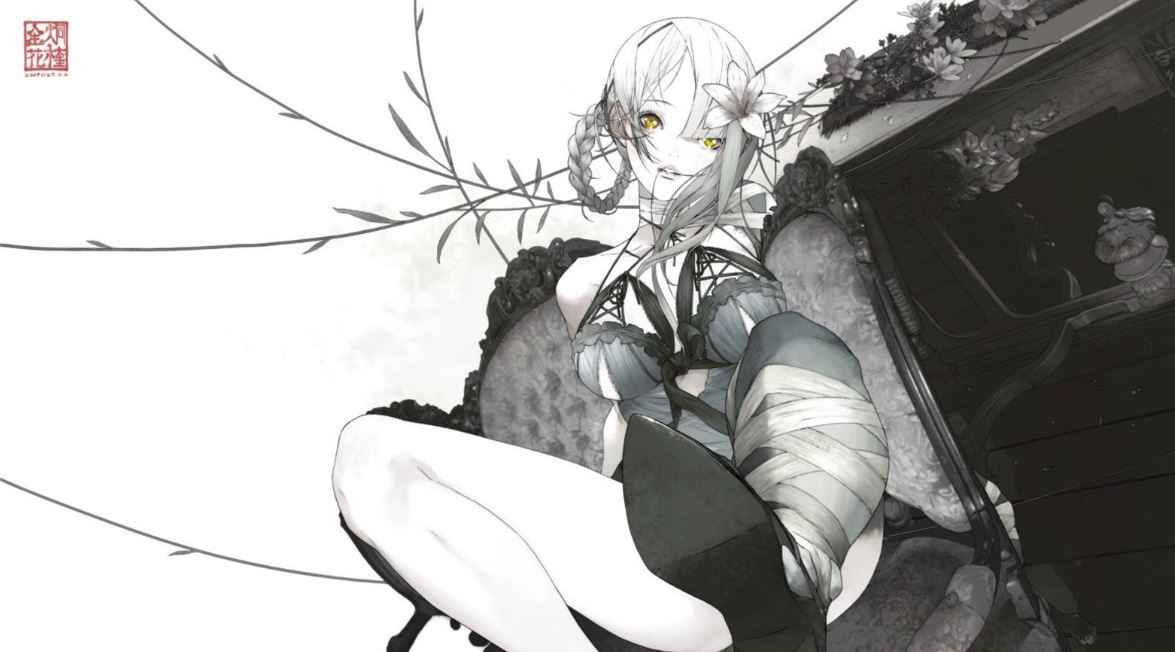
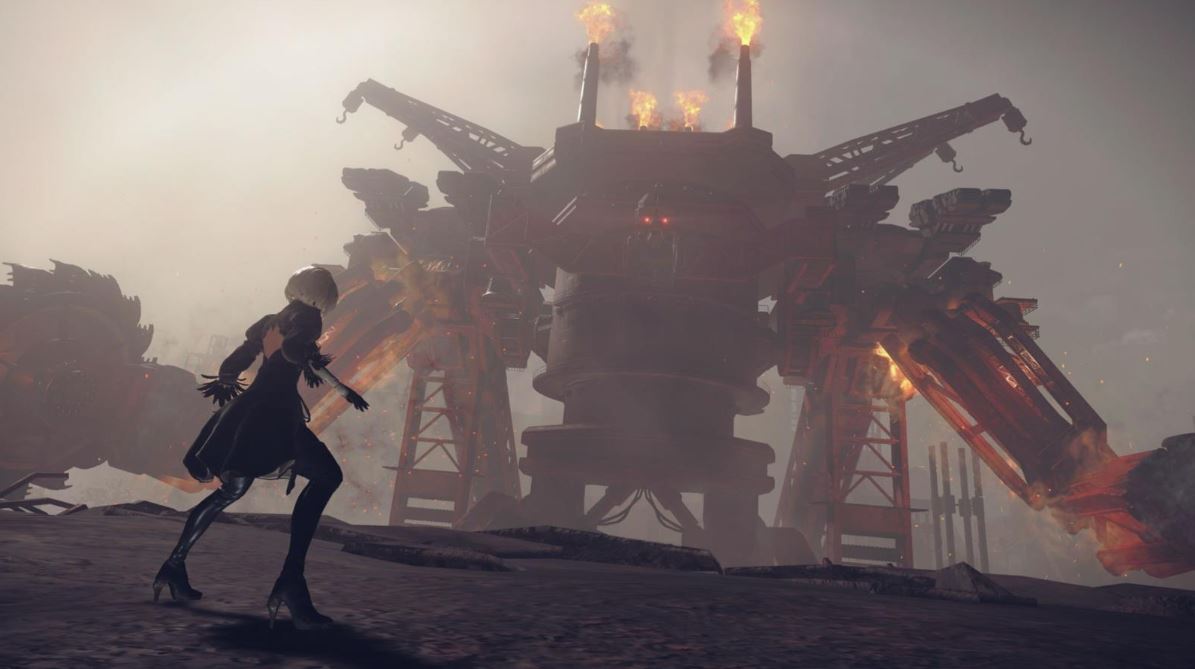
NieR Replicant ver.1.22474487139…, image via official homepage
Crimson Dusk:
I see… We also often hand things off to the programmers, and when what they bring back turns out to be completely different from what we expected, we end up changing the concept itself or adjusting things like the characters’ ages or the scenario.
Taura-san, if you had what you thought was a good idea or specification, but the result that came back was “completely different in direction, but still good,” what would you do?
Taura:
If what comes back is better, then I’d fully go along with that instead.
—So neither of you tends to say things like “I have my own vision for this, so make it match.”
Yoko Taro:
I don’t think I do that very much. That said, there’s a clear difference between Taura-san and me. I complain about everything. But if Taura-san decides not to say something, he really won’t say it. For example, he almost never complains about the scenario. But if I were in his position, I think I’d say something if I thought it wasn’t interesting.
In that sense, there are people who divide things strictly by role, and people like me who comment on everything. If I notice something in the tutorial and think, “It would be better if this were like this,” I’ll say it right away even if I’m in charge of writing the scenario. That leads to moments where people go, “You’re bringing that up now?” and conflict arises.
Crimson Dusk:
In our team, the director also serves as the main programmer. Sometimes our ideas don’t match our actual technical capabilities, so we’re developing while trying to find the right balance of compromise.
—Taura-san, why do you try not to say anything once you’ve decided not to?
Taura:
That’s actually not the case at all.
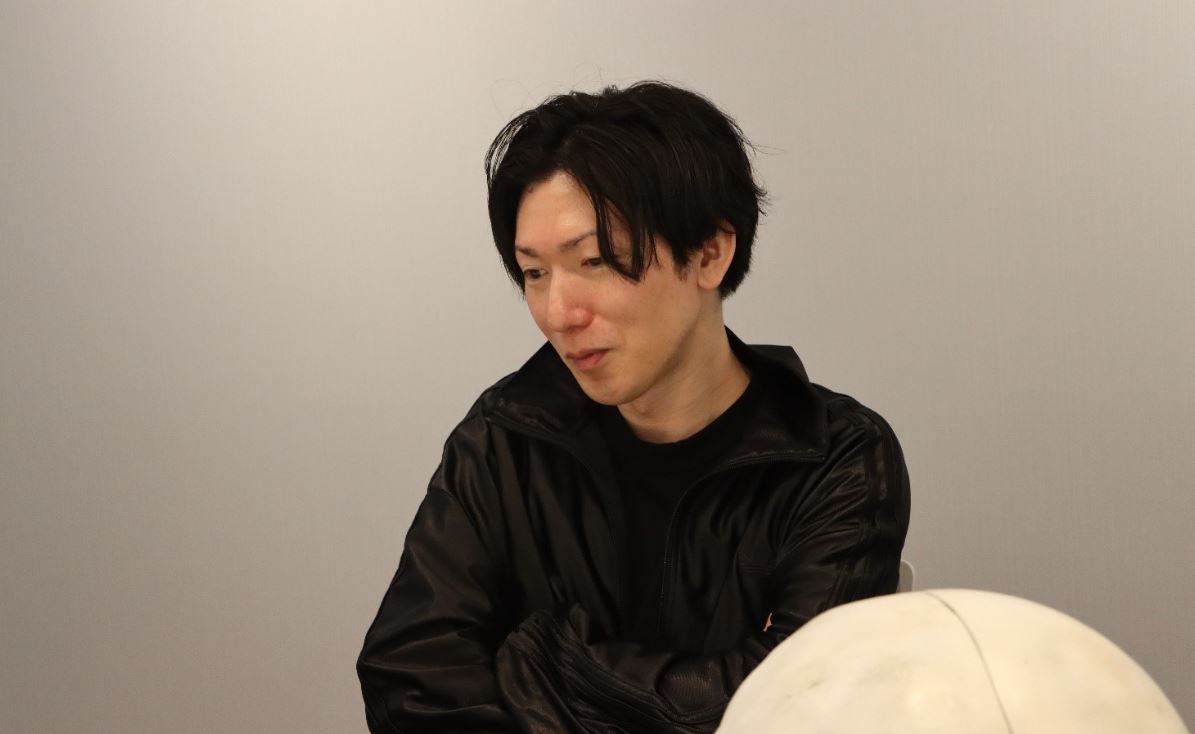
—(laughs)
Taura:
If Yoko-san thinks I never complain about the scenario, it probably just means he’s doing a really good job writing the scenario. If I think something is going to cause problems from a gameplay perspective, I’ll definitely speak up.
—We’ll continue with another concern from the development team. Directors or central development figures often face a dilemma: they’re disliked from all directions. but they also can’t afford to be too disliked as they’re the ones assigning work. When trying to get people to agree with a decision, is it better to rely on discussion, or to push things through using authority?
Taura:
Directors from Yoko-san’s generation probably never even spare as much as a thought to sentiments like “I need to be liked.”
Yoko Taro:
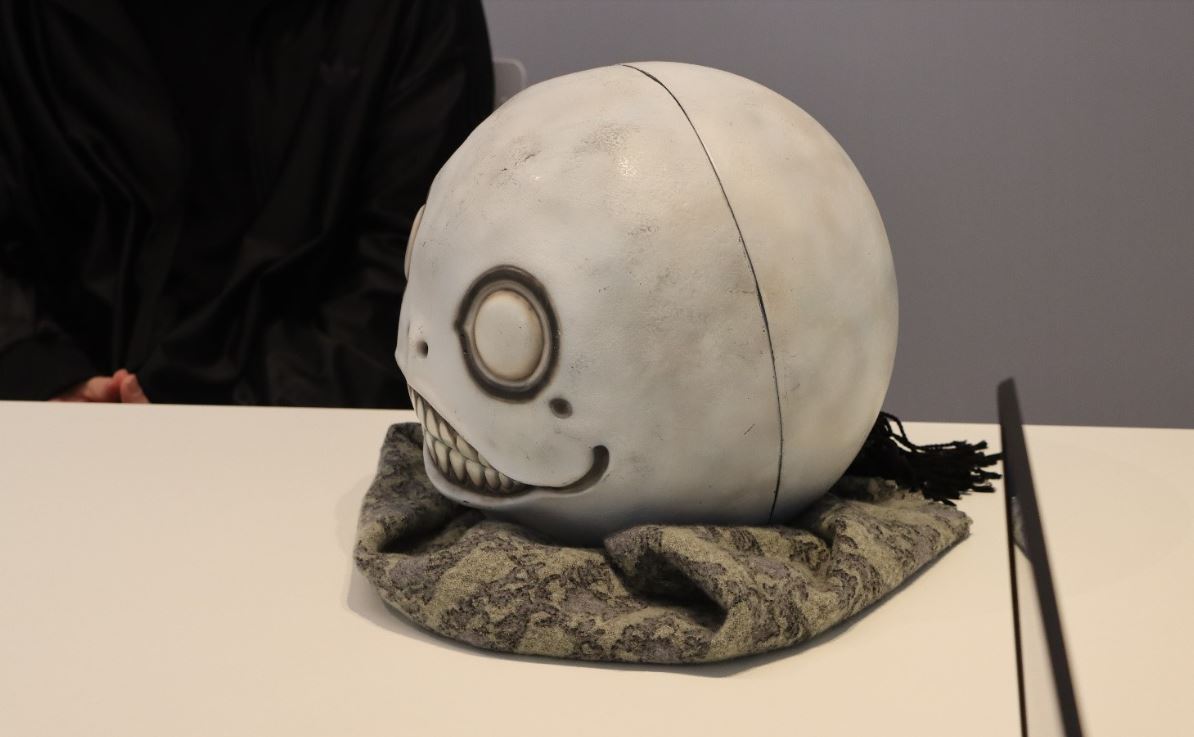
(laughs) Our generation of directors is full of selfish people.. We were a bunch of oddballs who entered the industry back when games weren’t mainstream like they are now, so there are a lot of weirdos among us. Myself included. Of course, it’s better to be liked than disliked. But there’s a paradox: people who can’t do that are often the ones better suited to being directors. To put it very roughly, if you had to choose between the game and your staff, the kind of person who chooses the game is better suited to being a director.
That’s why relationships sometimes end up not being very friendly. But that doesn’t mean poor communication is acceptable. For younger developers today, I think it’s better if you can work together happily and enjoy making the game.
Crimson Dusk:
I see… We also often have disagreements and end up arguing. But we don’t really have much of a hierarchy, our shared goal is simply to create a good game.
—For someone from your generation, Taura-san, I imagine interpersonal relationships are bit more important.
Taura:
The eras we’ve worked in are different, so even if we did the same things, we wouldn’t necessarily be treated the same way. These days, if the team ends up disliking you, you could even end up being sued over it. At the same time, if you lean too far toward being accommodating, the quality of the game gradually drops, so you have to navigate that dilemma carefully. As a company employee, I’m trying to figure out a different path from people like Yoko-san and his peers.
Meanwhile, the people from his generation, who used to behave like they owned the place, seem to be mellowing out and becoming kinder with age, and they’re starting to gain trust from the people around them. As someone who used to be on the receiving end of that outrageous behavior, it’s… a little hard to find that amusing, so I go through my days feeling slightly irritated about it (laughs).
Everyone:
(laughs)
Taura:
These days you can even make games alone if you want. So if someone wants to be utterly selfish, they can just make a game by themselves. But I think games are fundamentally something you create together with other people. As long as you’re making them with others, I hope you can find a path where everyone ends up happy in the end, whether you argue along the way or get along perfectly.
Yoko and Taura’s thoughts on venturing into indie development
Crimson Dusk:
Are you interested in smaller-scale development or what we’d call indie game development?
Yoko Taro:
To be honest, today’s indie game market is full of young, energetic developers like the Homura Hime team, and it’s a fiercely competitive red ocean. It’s honestly too intimidating for me to even think of entering that sea.
It’s way too scary, and I don’t really see a reason for myself to go there now. I feel like I’d be instantly wiped out – it’s not something an old man like me should be attempting. That’s how I see it.
Crimson Dusk:
The indie game scene is definitely really tough right now, and we’re also trying our best not to get swept away by the waves. But we still think you’re amazing, Yoko-san, and would love to see you try making something in that space too.
—What about you, Taura-san?
Taura:
When I worked on Automata, I was part of PlatinumGames. Now I work at a company called Eel Game Studio. While we’re working on several titles, I’d also like to make some smaller games in-house.
I don’t necessarily want to spread myself too thin, but small games tend to be filled with the passion of people who really want to make games, so I’d like to create at least one such passion project, even if it’s on a small scale.
—You’re not concerned about the market being a red ocean?
Taura:
Yes. As long as the creators can make what they want in an environment that allows it.
—That’s a wonderful perspective. Yoko-san, you said you find indie development scary, but if you were given a relaxed schedule and budget, would the fear still win out?
Yoko Taro:
I don’t really have strong preferences about scale, so if that kind of job came my way, I’d probably do it. My personal preferences and the actual work I end up doing are often different, so in principle I don’t turn down jobs that come to me. If someone said, “Make a small game on a small budget like an indie,” I’d just say “Okay” and do my best to make it happen. However, I do feel it’s necessary to be conscious of how it will differ from other products on the market and think about how to compensate for that.
—Indie games with relatively low prices but large volumes of content are becoming more common, and competition seems to be intensifying. How do you view that situation?
Taura:
I can’t keep track of every single game that comes out, but even in that situation, some titles still catch my eye. When that happens, it’s often because the game’s first impression feels different from everything else, or because its visuals are polished and reflect well in the game design as well.
Even with so many games being released, if you consciously aim for something that makes people think “This is it!”, I believe there’s still room to reach players. So I don’t see the situation as completely hopeless.
Crimson Dusk:
You’re absolutely right. With so many games out there, the real challenge is figuring out how to catch players’ attention. Our own solution was to combine bullet-hell and parry elements, and to aim to leave an impression like, “When you say bullet-hell plus action, Homura Hime comes to mind.”
Yoko Taro:
Even within what we call “indie games,” we’re seeing more and more titles made with huge budgets, so I imagine developing with a small team must be quite difficult. That said, I believe there are many different ways to compete or stand out.
Earlier I mentioned various small adjustments, like making certain difficult or confusing parts clearer. But even if you fix all of those details, that alone won’t create a fundamental breakthrough. I think what really matters is how you present the game.
For example, clearly communicating that it was made as a labor of love by small team is one approach. Or you could go for something more extreme, like raising the difficulty even more and emphasizing the contrast like, “It’s so challenging despite the art style!”
Simply pursuing playability isn’t the only way to create individuality. What matters is thinking about what makes the game memorable and what will stay in people’s hearts. If I were part of the Homura Hime team, I’d probably think along those lines, asking, “What could we do that would really surprise people?”
PLAYISM and Crimson Dusk:
That’s incredibly helpful advice. Thank you very much.
Taura:
In that sense, I think this initiative itself had great timing. If you present it as a discussion with “Evangelion’s Yoko Taro,” not just “NieR’s Yoko Taro,” that alone might work well as a hook.
Yoko Taro:
Wait, Evangelion is a different matter…
Everyone:
(laughs)
Crimson Dusk:
Sorry, but there’s one thing we really want to ask. As players, we strongly felt that Ending E of Automata was an essential piece of the game’s presentation. Was it planned from the beginning, or was it something added later when you realized it would work well?
Yoko Taro:
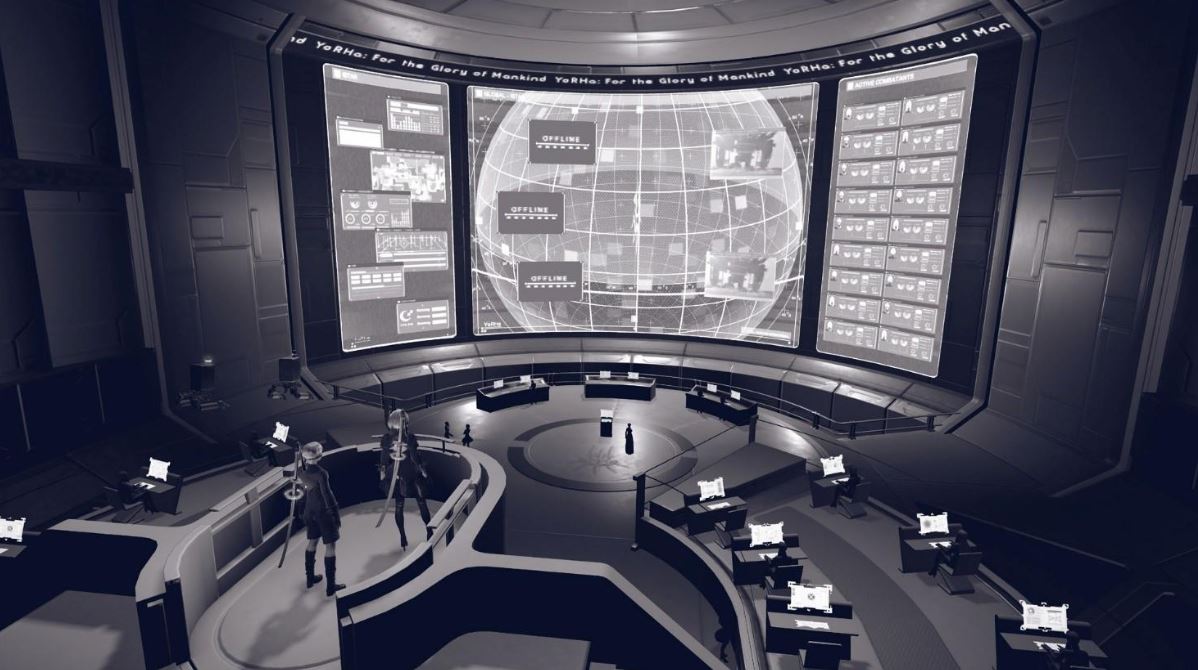
In Replicant, we deleted the save data, so I was thinking something like, “Maybe we should delete it in Automata too” early on. But that was about the extent of the idea at the time. As I continued writing the scenario and thinking about what to do, I came up with the idea of combining the hacking mode (the shooting sections) with the staff roll. Then I thought of making it so that clearing that sequence would erase all save data, and I adjusted the scenario to make it fit. So it wasn’t something I had a clear vision for from the beginning. It was more like I gathered all the pieces for it and then figured out what to do with them.
Crimson Dusk:
The direction felt almost divine. It was really moving.
Yoko Taro:
(laughs) I’m glad you enjoyed it. I do feel a bit envious that we now live in a time when young people can make games with just a small team. Back in our era, that kind of thing was hard to even imagine.
Crimson Dusk:
It’s thanks to the veterans of the game industry that we’re able to study and create games like this. We feel like we’re developing while riding on the shoulders of giants.
Yoko Taro:
When I was young, I never thought of it that way. I used to think, “All the old people should just die!” You’re all such decent, good-natured kids.
—(laughs) Thank you very much for all the advice you’ve given about Homura Hime. Finally, could you share a few closing words for the development team?
Taura:
We’ve said a lot of things today, but in the end, what matters most is what you think is good. So rather than listening only to other people’s opinions, it’s better to do the things that make you go, “This is it!” (laughs)
Yoko Taro:
You’re all young, so part of me feels like you might not even need advice. Game development is basically a collection of compromises, and I’ve never made a game where I stuck to my core vision without any compromise whatsoever.
From my perspective, making games is like swinging a baseball bat about ten times and hoping to get one hit. For you, this is probably your first time at-bat. If you swing about ten times, you’ll probably land at least one hit. So for your very first swing, I think it’s best to just swing the bat exactly how you want, with everything you’ve got.
Crimson Dusk:
Thank you both very much. It’s true that we’re still a young team, so we’ll treat Homura Hime as that first swing in the process of continuing to make good games, and we’ll give it our all.
—Thank you very much.
This interview was actually conducted on February 25, about one week before Homura Hime’s launch day. Inspired by the advice from Yoko and Taura, the development team pushed themselves to make improvements, and the points that were brought up during the interview were implemented in the final game through a massive last-minute update.
PLAYISM and the Homura Hime development team would like to express their deep gratitude to Yoko Taro, Takahisa Taura and Square Enix for agreeing to participate in this interview.
Homura Hime is currently available for PC on Steam.
NieR: Automata, which strongly influenced Homura Hime is available on PC, PS4, Xbox One, and Nintendo Switch.
NieR Replicant ver.1.22474487139…, is available on PC, PS4, and Xbox One.
[Organizer: PLAYISM]
[Transcript: Kei Aiuchi]
[Interviewer, editor, photographer: Ayuo Kawase]
[Interpreter: Shaopo Fu]
[Cooperation: Square Enix]
© SQUARE ENIX