

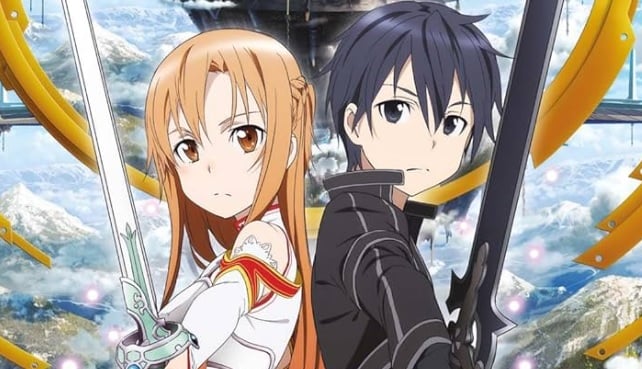
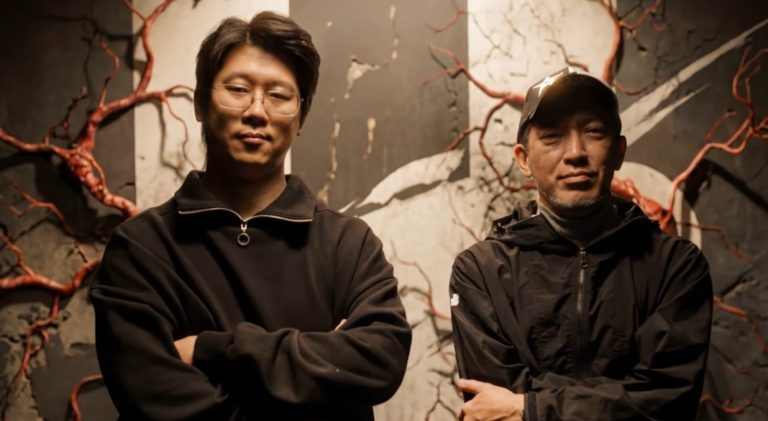
From Demon Slayer’s Infinity Castle arc adaptation being crowned the highest-grossing Japanese film worldwide, to increasing government support for Western expansion of Japanese content, the year 2025 has seen a great push in strengthening Japan’s power in the global content market through its anime and pop culture. In a recent interview with Daily Shincho, anime director Tomohiko Ito, best known for his work Sword Art Online and Erased, reflected on the state of the industry in the past year, and shared his opinions on the expansion of Japanese anime to the overseas market.
Talking about the worldwide success of Demon Slayer: Kimetsu no Yaiba – The Movie: Infinity Castle and Chainsaw Man – The Movie: Reze Arc, Ito acknowledges that the Japanese anime industry has been explosively growing overseas in the past couple of years. “I’ve also recently heard the news that Toho had acquired a British anime distribution company, but I get the impression it was actually when Aniplex acquired Crunchyroll in 2020 that Japanese anime started exploding in popularity across the globe. Taking into consideration the WGA strike from a few years ago and the influence of Covid, it also seems like the influential power of Hollywood movies has been weakening, so I think [Japanese anime] have managed to become a good replacement for them,” Ito said.
However, the Sword Art Online director also points out that, despite Japanese animated films being in the position to rise above the popularity of media giants like Hollywood, making anime with the global audience in mind could be a double-edged sword. “There have actually been many cases where focusing too much on “global appeal” has led to failure. I think Japanese people’s idea of what could be well-received worldwide is probably something people overseas don’t enjoy. However, the emphasis on political correctness is strong in America, so they might think, Japan is the only country that still produces works in which scantily clad girls battle, the kind of stuff that would be considered strange in North America,” Ito explained.
On a related note, with “overseas expansion” becoming a hot topic in the past couple of years, many industry veterans have been discussing on how to exactly approach anime production knowing that there is huge demand for it beyond the domestic market. Similarly to Ito’s remark, Neon Genesis Evangelion director Hideaki Anno, suggested that making anime for the global market is not the way to go. “I personally never made anything with the overseas audience in mind. I can only make domestic stuff. Production companies are quick to say Think about the overseas market, but personally, that’s not my goal […] My stance is simply – it first needs to be a work that will be well received and found interesting in Japan, but if by any chance people overseas also found it interesting, I’d be grateful for that,” Anno said in a recent interview.
Related aritcles:


Ito is exactly correct. This is usually where they mess up. They understand there is demand overseas but they usually try to change works overseas and appeal to overseas but do not realize everyone loves Japanese works because they are Japanese. They stay true to themselves and their freedom of expression which is important in a time where things feel sterile and boring in America, the same exact overreliance on franchises than creating anything new and do not like to have any real expression because they are afraid of offending anyone.
This will lead to an issue where the expansion at first appears successful but then dies very heavily because the Blue Ocean while big as an audience will decline proving they are inconsistent and then the fans who liked their works aka Red Ocean moved onto something else. This is why trying to appeal to everyone will eventually be losing both the core audience and the audience they would like to have. Simply because they lack the balance needed to Keep their core in Japan and Overseas while expanding outward for more audience especially in Asia. Also there will come a point they will need to make a decision of long term(Core Audiences) vs short term(Global Audiences).
Those who stay true to themselves will eventually win and those who chase money and trends eventually lose long term. It’s something Japan needs to be aware of. But unfortunately it will be a hard lesson to learn because big megacorps in Japan are out of touch vs the medium and smaller company counterparts.
I hope they keep experimenting with anime. One thing I love about the medium is how they build on each other and will try experimental stuff. Most Hollywood stuff is too safe or to preachy in my opinion. Most not all.
Why doesn’t anyone who makes these statements ever call out the wokeness of Hollywood as the reason it’s failing?
He is right, people love Japanese media because it’s Japanese. Anyone who says it needs to be changed is a person who never cared or will ever care about it, they just simply want to spread their disease throughout all entertainment.
When anime is at its best (Ghibli for example), the medium is highly respected in the West. The saturation of same-y seasonal power fantasy isekai wish fulfillment has the opposite effect
Anime can match or even surpass Hollywood if they stick to their own style and not change for anyone else. Censorship, changing dialogue for political agendas, and poor live action remakes will hamper that.
He also made Sword art online so I’d take his opinion with a grain of salt.
Yes, SOA is trash.
Please Japan don’t EVER stop making scantily dress girls fight. Stuff the political correctness of all the wokenations….
This opinion IS from the guy who was almost 30 years old and having underage girls drawn with crotch focus ‘for the fans’ (for the pdf files).
I’m not trying to be “woke”, this isnt even a matter of culture either, that’s a flimsy excuse at best. It’s also not that its women being sexualized, its that it is underaged girls, put in skimpy clothing that panders to certain nasty folk, and it’s simply not okay. Neither is the sibling romance stuff. In fact anime used to make it rather obvious that lusting after young women was NOT okay, and now it’s changed to treat it the exact opposite way. Someone brainwashed the Japanese or something I tell ya.
@Anonymoose you care so much about fiction female characters rather than the reality? No wonder why the Western media is was failure
You only brave to attack the Japanese and anime in internet, but coward when dealing the real life of USA and Europe women (and children) being got nasty by the trans and 3rd world immigrants
Your existence is the problem
yea never appeal to global audience, cus the western like it the way they are, not the inclusive way
makoto shinkai proved that. but honestly don’t. just don’t. if they start listening to “replace” hollywood they’d have no choice but to listen to western audience, they’d start to make sure they’re not offending anyone, they’ll start crippling the authors creativity with all the restrictions. Nah, I prefer anime as it was and to an extent still is, fun and judgment free.
Anime is shit
Sword Art Online is the Twilight of anime and light novels.
Unlike Stephanie Meyer though, this director’s work contributed to some of the most destructive trends to the medium(s).
So why should his opinions matter?