

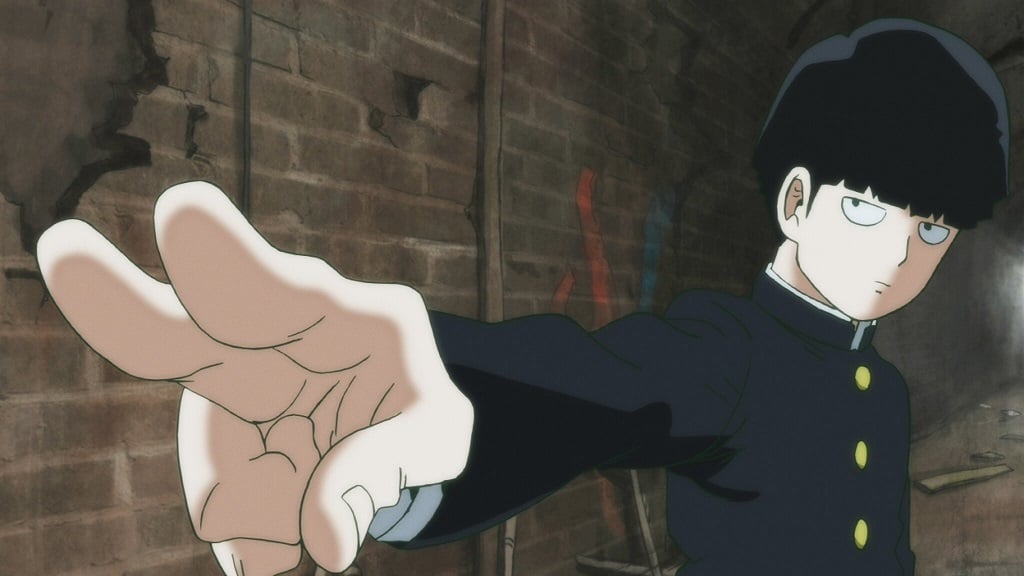
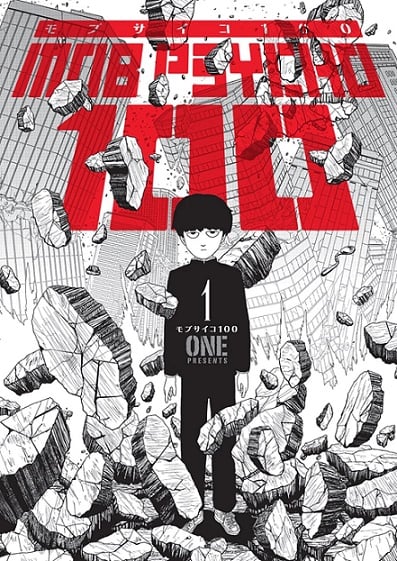
Kazuaki Ishibashi, a manga author and editor best known for his editing work on Mob Psycho 100 and The World Only God Knows, published a lengthy X post/column about the state of his profession and the industry. While several aspiring manga editors he’s been meeting and training over the years have impressive credentials and communication skills, they read far less manga than what used to be the norm, he says.
When it comes to training aspiring manga editors, I’m honestly quite baffled sometimes. It’s just that… they genuinely don’t read manga.
I’ve lost count of how many times I’ve asked them, ‘Huh, then why do you even want to be a manga editor?’ In my mind, I’m furious.
Of course, I want new manga artists to read manga, too. But editors? They absolutely have to read even more than artists do.
He chalks it up to a change in environment. Back in the day, people were surrounded by manga on all sides, whether through bookshelves at home, friends and family’s houses, or bookstores, just to name a few examples. Now, however, he thinks the avenues have become more limited.
While it is true that manga has never been more readily available, he notes that the lack readily available physical manga has contributed to people becoming more selective about what they read. He says that even digital platforms, whose algorithms only try to cater to the readers’ interests, area major cause in preventing them from broadening their horizons.
Lately, the idea of being a manga editor has become kind of “trendy,” and the motivation of aspiring editors usually boils down to:
‘I want to work in the entertainment industry.’‘
I want to be involved with an IP’‘
I want to support creators.’‘
It just seems kind of fun.’
There is nothing wrong with that.
However, not many of them say things like:
‘Manga is my life!”
Honestly, nothing else matters besides manga.’
That kind of “madness” isn’t present as much anymore.
Whereas manga editors back then were seen as “experts” of the medium, whose knowledge and judgement are directly related to the number of manga they read and experience in editing, nowadays, the wealth of media can lead editors to believe that they can easily know it all. Ishibashi cites summary videos, famous manga panels posted on social media, and anime adaptations as a few examples of the ways aspiring editors “read” manga without actually doing so.
He likens an editor who doesn’t read enough manga to a music producer who doesn’t listen to music. If an editor hasn’t experienced enough of the medium for themselves, they cannot make important decisions that will make them invaluable to manga writers and artists. Topics such as whether a manga resembles something from the past decade, similar failed examples, and character archetypes are often brought up during creator meetings, and it is the editor’s duty to understand and participate in the discussions to ensure that a project is progressing in the right direction.
Related:
Attack on Titan author says he’s unlikely to create another manga of the same caliber
AI-generated manga becomes top-ranked in Japan’s biggest e-book store


I used to read primarily on my computer. This worked great for manga. Now, however, I read primarily on my phone not sitting at my desk with the full screen of the PC. Sadly, I have yet to find a mango reader that works well on the phone. Due to the smaller screen you wind up having to zoom in to see each panel and be able to read them and then you’re scrolling left and right and up up and around makes it feel a lot less connected because you’re reading from the top left scrolling to the top right and then down and around and not all panels are the same size. That’s fine. In a book or on a large screen on a phone it is exceptionally annoying because I don’t have things the same size and I’m changing zooms and the text is changing size always. That is the reason that I read less of it anymore.
I can kind of understand the frustration. People lacking a true passion for the profession they’re trying to get into is very annoying. Superficial motivations won’t keep you there when the going gets tough and the manga industry sound slime it can be heavy, unforgiving work as far as creative, not discounting other creative endeavors. It makes me wonder what made them decide to even try in the first place.
I, meanwhile, find myself reading more manga than watching anime nowadays. My digital libraries are growing but I wish I could have a physical one.
When the industry pushes mangakas to copy what is popular, and the pay is horrible, and south korea thrives with four times the speed of releases to great popularity…
Yeah you’ll get less quality and quantity of people wanting certain jobs.
Yet to blame them for it, instead of looking inwards, is such a Japanese corporate way of doing things and won’t fix anything.
Brother… Buy a tablet. If the screen isnt big enough get a bigger screen, theyre not expensive at all anymore. “I stopped reading Manga becsuse my phone screen is too small” means you mist nit like them enough to make reading them comfortable anyway
Almost as it people don’t want to dedicate their entire life to a thankless job anymore. Shocker.
Webtoons, manhwas, manhuas, or whatever you want to call them have spoiled me. It’s for me hard to go back to traditional mangas unless I’m really invested/interested in the IP. On top of that, I don’t read as much as I used to, so I don’t really feel the need to go out of my way to dig through materials drawn in the traditional way.
I imagine a lot of people are in the same camp as I am, and that’s only counting older readers. Newer readers probably skipped the older formats altogether.
as someone who used to read it i can see why,
-normies come in
-make it all sport or superhero slop nobody wants
-leave
-make it shit
the cycle continues yet again for another hobby that used to be great and weird and full of fantasy now it’s just a shell of its former self putting towards a “bigger audience” like the US now manga looks like it was made by americans (i am canadian i can say that)
lmao
Bookstores are everywhere – they are beautiful and MANGA …thousands of copies of it ….are in EVERY SINGLE STORE. It’s not just for rabbit hole divers – manga is just mainstream entertainment. It’s delightful junk food. Most of the content is on par with the mighty ducks films so please relax about the art crisis. Manga is never going away and it’s doing just fine without our concern.
If y’all Maga land manga critics want to discuss something about Japan that needs a thoughtful remedy perhaps walk around the sprawling hostess club zones and ask yourself …how many of these countless young women are essentially prostitutes for old failed business men… Why don’t women seem to get career opportunities in sleek Japan? That’s the tragic flaw in the culture not manga.
Wdym? We read one piece every week bro.
I don’t know about Japan but more Americans are read manga then ever before
that’s cuz they won’t hire me (I haven’t applied)