


Bushiroad’s Anime Data Insights Lab recently published its “2026 Anime Industry Trend Forecast,” outlining eight major trends it predicts will dominate the anime market throughout the next year (and in some cases, the following couple of years). The projections are based on viewership pattern analysis, as well as insights from the business and marketing side of anime production. As reported by GameBiz, the study was presented by entertainment data analyst Keisuke Yutsudo and Bushiroad’s anime and game producer Yusuke Onuki.
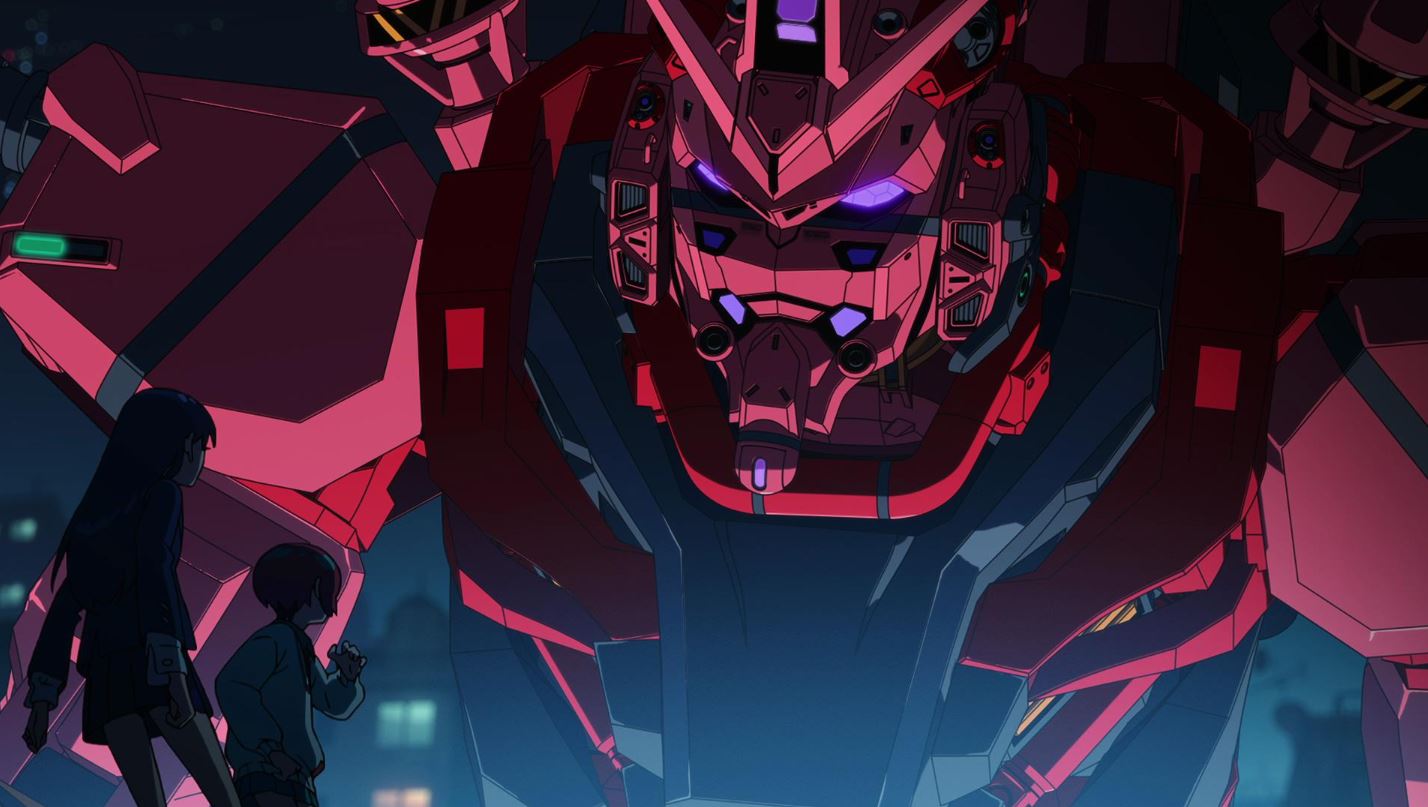
From a data analysis perspective, Yutsudo identifies four key trends likely to emerge in 2026, the first of which is an increase in anime titles that encourage discussion and fan theories. In 2025, anime that got fans to gather and speculate on social media with each episode (think Takopi’s Original Sin and Gundam GquuuuuuX in Japan) achieved much higher long-term viewer retention. This effect allows publishers to sustain viewership without heavy advertising, which is why we might be seeing more such titles in 2026.
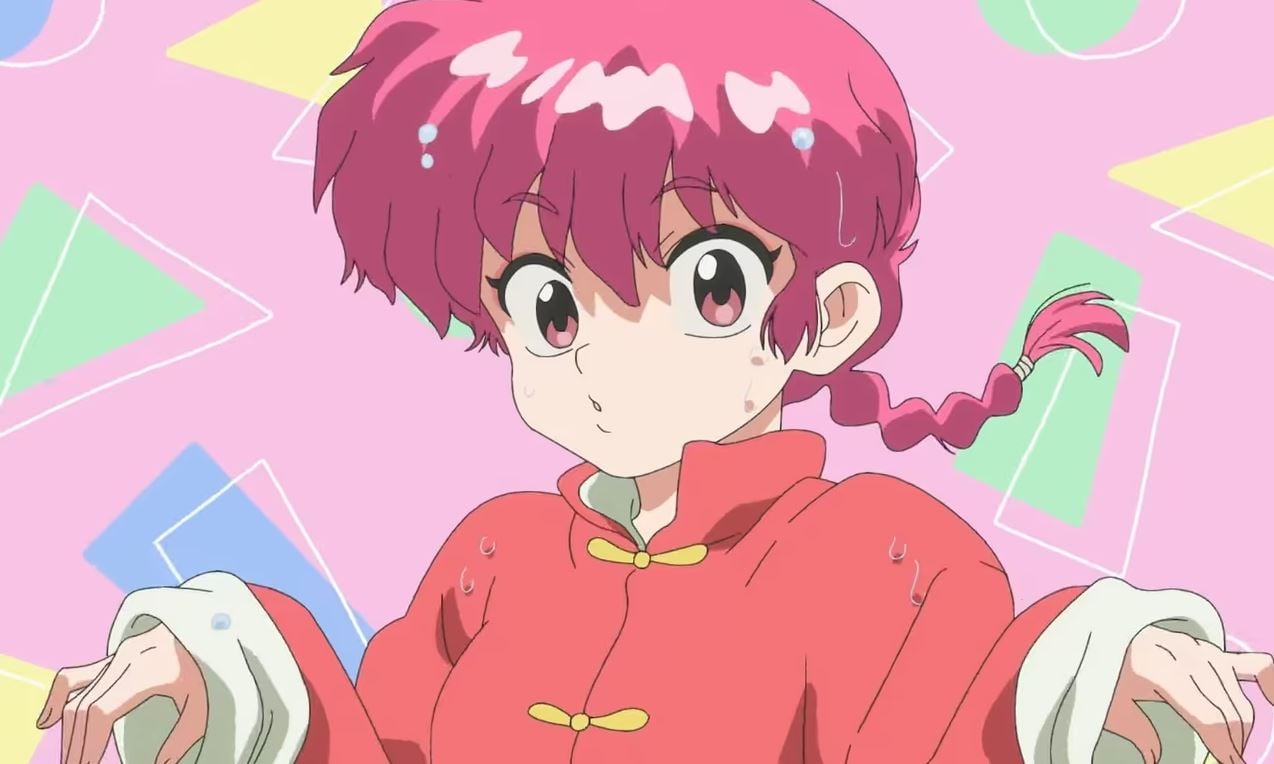
The next one doesn’t come as a big surprise, but the study anticipates a continued increase in remakes, particularly of 90s and early 00s anime. This is directly related to anime fans who are now in their 30s and 40s having increased purchasing power.
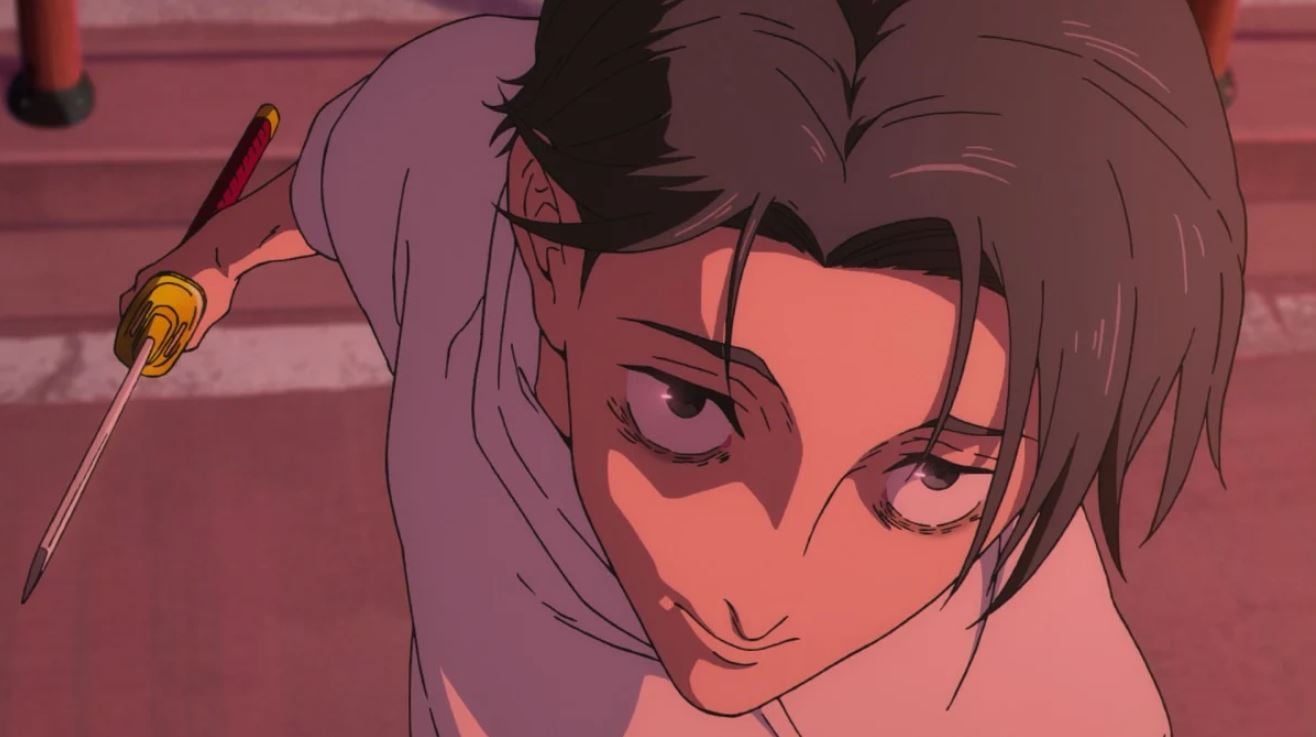
Additionally, the data points to changes in how anime gains attention in the following year, with music and shorts/reels becoming an increasingly frequent entry point for new fans (Chainsaw Man’s Reze dance comes to mind). Rather than opening and ending themes becoming popular after an anime succeeds, songs and short clips are now spreading first on platforms such as TikTok or YouTube, leading new viewers to discover the source material.
Lastly, Yutsudo suggests that more anime titles will see growth later in their broadcast run rather than at premiere. In 2025, several titles with weak early viewership went on to gain popularity through streaming platform releases, viral clips, or external events such as theatrical screenings. The report predicts more of these kinds of late bloomers to emerge in 2026.
The next four trends come from the production side of things, with Yusuke Onuki predicting a continued increase in sequels and, once again, remakes. He explains that as more companies enter the anime industry, competition for proven IPs is intensifying. Since businesses tend to greenlight productions based on measurable performance (such as the popularity of existing source material), works with track records are more likely to be adapted than originals. While Tokyo Godfathers and Lain producer Taro Maki expressed much dissatisfaction over this tendency of the anime industry, the trend is likely to persist for several years, according to the study.
Another forecast suggests that non-fiction content will become bigger competition for anime in 2026. Onuki notes that real-world events, online controversies, and reality-based entertainment now increasingly compete for peoples’ attention, which means that anime must contend not only with other fictional works, but also with rapidly updating real-world content.
The report also addresses claims of “younger audiences moving away from anime.” Onuki argues that this narrative may gain traction, but that it does not necessarily reflect what’s actually happening. Instead, he attributes recent declines in anime viewership (within Japan) to genre saturation, as well as the industry’s growing focus on overseas markets, where revenue from streaming platforms often accounts for the majority of production costs.
Finally, the study highlights changes in marketing methods in the anime industry. Promotional materials are expected to increasingly rely on short and high-impact clips that showcase dramatic scenes of an anime early on. According to Onuki, this approach is a consequence of shrinking attention spans and the need to capture interest quickly, even at the risk of showing spoilers.
Related: Anime studio bankruptcies and closures continue to rise for third consecutive year in Japan


So copy Hollywood? I didn’t watch the new Trigun or Rurouni Kenshin, nor heard a lot said about them. It could work, but really depends who’s funding and overseas partnership as that will dictate content change or not.
No idea what they mean by real world events as that sounds like a big gamble in itself. War? AI? Globalism/politics?
And I thought it was said they didn’t have enough youth in Japan, so the market was only responding to that decrease.