


“The Game Industry Guidebook” (unofficial translation), written by CyberConnect2 president Hiroshi Matsuyama and published by Kadokawa, is set to release on February 16. In addition to providing advice to aspiring game developers and those who are already working in the industry, the book contains personal insights from Matsuyama, as well as data based on surveys conducted with around 40 domestic game companies. CyberConnect2 is known for developing the .hack series, the Fuga: Melodies of Steel trilogy, and several titles in the Dragon Ball, Naruto and Jojo’s Bizarre Adventure franchises.
Based on the aforementioned survey results, it was discovered that only about 1.9% of aspiring game dev applicants in Japan manage to get hired. Although Matsuyama fundamentally disagrees with the mindset of “analyzing reasons for failure” in the first place (arguing that candidates would be much better off studying about “how to succeed”), he wants to help prepare future generations of developers. As such, in his book, he cites the top ten reasons why applicants fail to get hired. Three of these were cited in an excerpt published by Famitsu:
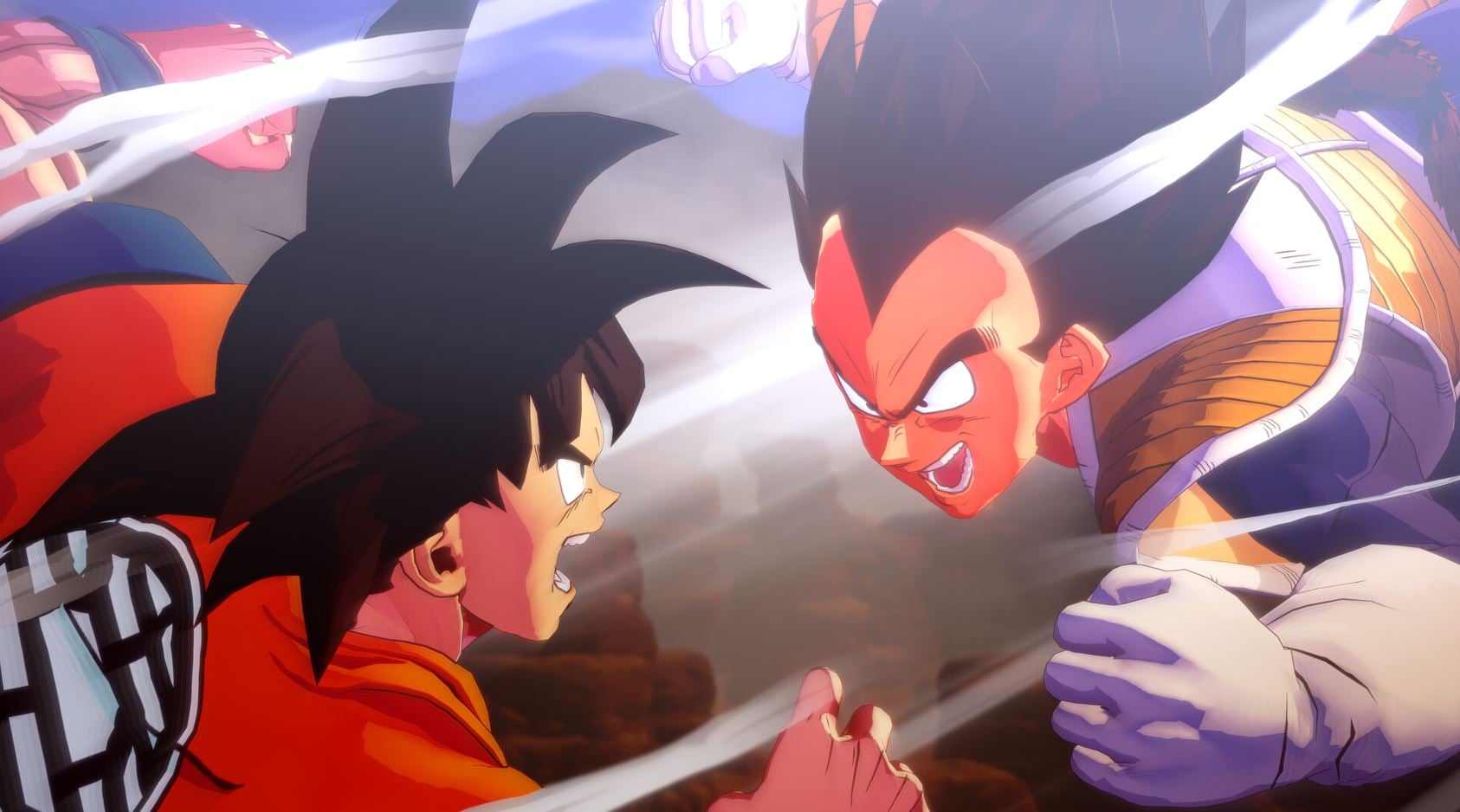
Aspiring game artists who only want to draw, not make games
Based on Matsuyama’s experience, artists who are looking to enter the game industry often present only illustrations in their portfolio. When asked what they want to do, they usually reply with “I want to do character design.”
Matsuyama plainly states that there is almost no company in the world that will hire a completely “untested,” budding artist for character design. Since the direction and atmosphere of character designs often change with each title, game companies are more likely to commission established illustrators for the job, despite their high fees.
While jumping straight into character design may be unrealistic, Matsuyama says that as they gain mileage at a game company, artists will inevitably start encountering design opportunities that will allow them to shine. Provided they do a good job, these designs will be incorporated into the final game.
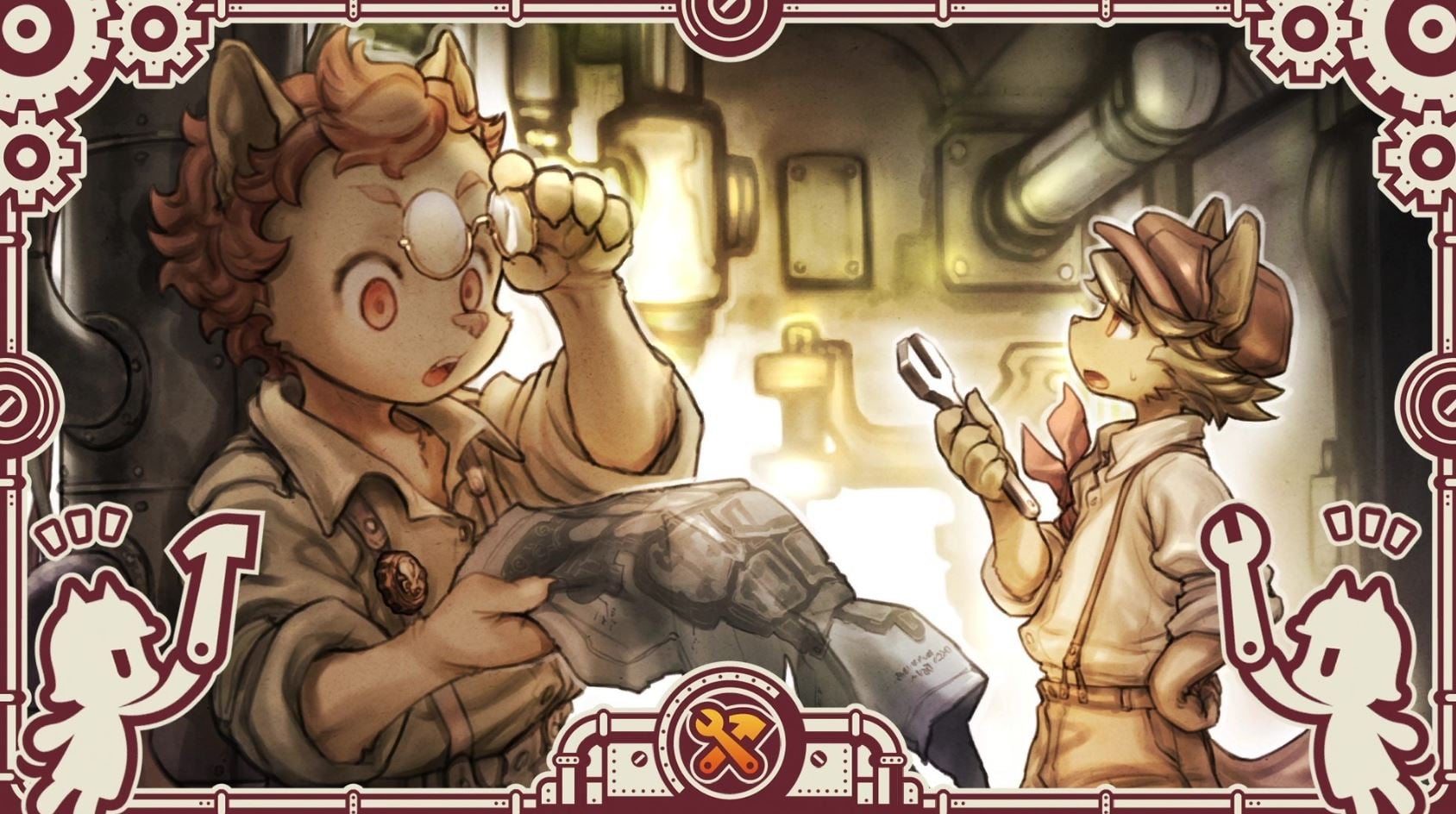
Eager programmers who have not mastered C++
A question Matsuyama often gets asked by programming applicants is whether their knowledge of Java or C# is enough. While games are made with different programming languages, Matsuyama highly encourages them to master C++, as it is used by most console titles.
When applying, he suggests making a short playable game similar to the ones in WarioWare. The short game will usually be evaluated by its structure, source code, and whether it can be played completely from start to finish. Those not looking to make an entire game can also show their skills in other ways, such as shader demos.
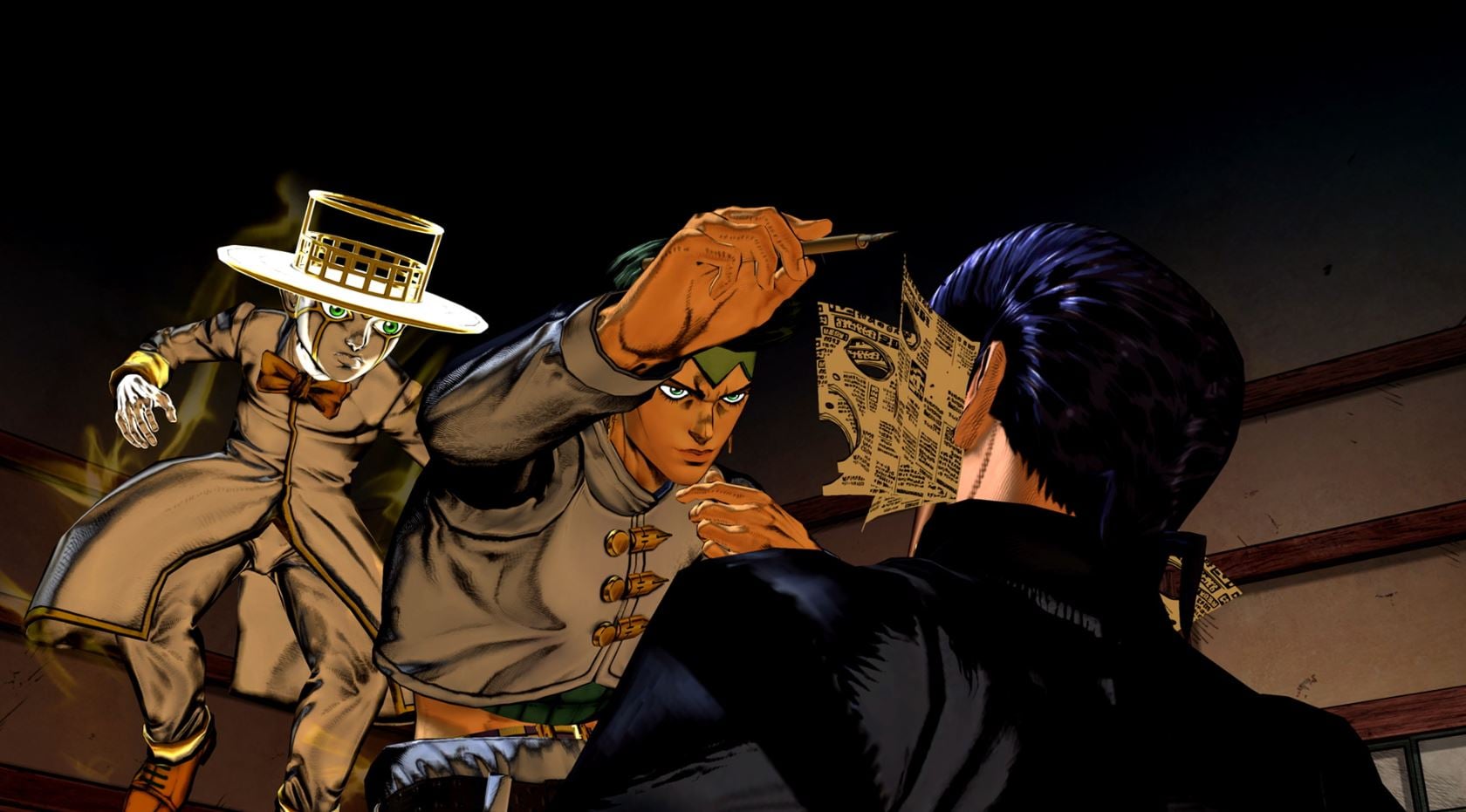
Game designers who can’t write 100 proposals
Aspiring game designers (called game planners in Japan) often ask about what kind of proposals they should be writing. However, the fact that they are asking others means they have already failed, according to Matsuyama.
Since the job of a game designer is to constantly come up with new ideas, Matsuyama says a good way to practice is by creating 100 proposals about one theme, followed by discarding those ideas and creating 100 proposals on another theme. He then suggests throwing those away and creating another 100. While this might seem like a lot, he explains that newbie game designers are better off writing short, one-page proposals than making 30-page proposals for projects that are likely to be infeasible and not very entertaining in the first place.
On the other hand, experience isn’t everything, as Matsuyama says that even CyberConnect 2, with its 30 years of making games, prefers to hire freshly graduated game designers and develop their talents, rather than hire mid-career devs. But since these employees have no prior game development experience or track record, the best way for them to demonstrate their aptitude is through quantity, he explains.
Matsuyama’s insights have garnered mixed reactions from industry peers, with some developers considering them too strict or not representative of standard industry practices in Japan. On the other hand, Matsuyama has clarified that while the opinions presented are indeed his just own, the 1.9% hiring rate does speak of wider tendencies, as it’s based on the aforementioned industry-wide surveys. Moreover, the hiring rate at CyberConnect2 seems to be significantly higher than the average, at about 5% in recent years.
The Game Industry Guidebook is set to release on February 16 and costs 2,200 JPY (roughly $14 USD). There are currently no plans for an English translation.




Kind of sad the state of the industry can’t attract people who have the drive, knowledge and ideas yet attract greedy suit tapes that think they can fake it.