From “I wish AI could vanish entirely” to “development is no longer feasible without it,” Shinji Mikami and Hyung-Tae Kim share views on AI
Resident Evil creator Shinji Mikami and Stellar Blade director Hyung-Tae Kim discuss the use of generative AI in game development.

Resident Evil series creator Shinji Mikami and Stellar Blade director Hyung-Tae Kim recently got together to participate in a discussion panel at G-CON 2026, held November 19 – 20 in South Korea (as reported by Korean media outlet Inven Global). In April of this year, Mikami’s studio Unbound entered a partnership with Kim’s company Shift Up, becoming a fully owned subsidiary. Since then, it seems like the two developers have been exchanging know-how and maintaining a good relationship.
During the discussion panel, Mikami and Kim touched on various game development topics, including the use of generative AI technology, which Shift Up has recently been actively experimenting with.
On July 21, Shift Up released an AI-generated promotional music video for Stellar Blade: Blood Rain, featuring the upcoming game’s protagonist Evie. The video was met with backlash, with many fans concerned about the company’s heavy use of generative AI. Reminiscing on the controversy, Kim admitted that it taught him a valuable lesson about how the “human touch” influences user reactions.
However, according to Inven, Kim also said that “game development without AI is no longer feasible,” explaining that so many fields of development – including programming workflows, QA, code reviewing and debugging – are driven by AI, which is why it’s so difficult to completely avoid it.
Mikami, on the other hand, said he sometimes wishes “AI could vanish entirely,” not only from game development, but in a general sense. However, he is not outright avoiding the technology. Mikami considers AI to be a tool mainly for streamlining production and helping elevate quality without significantly bloating development budgets. He says that most of the core aspects of development within his studio are still human-driven. Mikami also expressed anxiety about the future of the technology, explaining that there might be a real possibility that developers lose their jobs to AI in the next five to ten years.

Interestingly, Kim also warned about prioritizing productivity and efficiency when using AI for game development, explaining that players do not necessarily enjoy works just because they have been “efficiently made.” In other words, Shift Up doesn’t use AI for mass producing games, but for pushing the overall quality of its titles beyond the limits. Kim believes the so-called mass produced “slop” games will be eventually wiped out by market self-regulation once they start oversaturating their respective platform storefronts.
He clarifies that, while some assume Shift Up creates games primarily with AI (due to how vocal he is about it), human developers are the ones doing most of the work. AI may assist them in tasks ranging from character design, level design, mapping, and creating game mechanics, but all of the creative aspects of the work are led by humans, he says. Because AI can behave like a single creator, if everyone ends up relying too much on it, the outputs will ultimately become homogenized, Kim argues. This is also the reason why many indie games which use generative AI for development often end up looking like they were made by the same person, he explains.
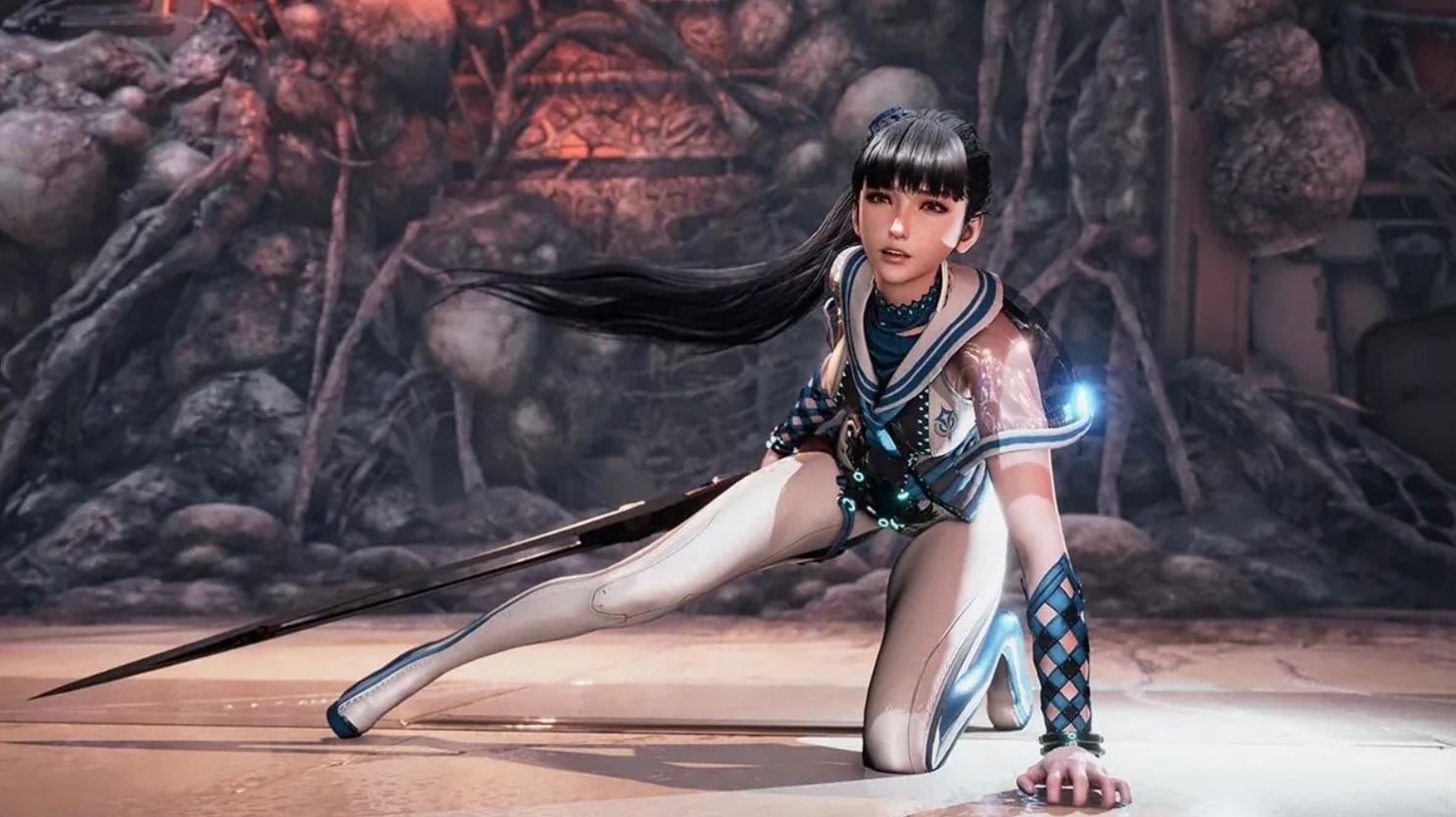
Based on Kim’s statements so far, it seems certain that Stellar Blade’s sequel will use generative AI, though it remains to be seen to what extent, and how players will ultimately respond to it. Mikami, on the other hand, appears to be more hesitant about AI’s direct applications in development.
Related:

Đorđe P
Articles: 545Related Posts