Mu-jik Park, a South Korean manga artist and author better known by his alias “Boichi,” recently took to X to talk about the impact of Weekly Shonen Jump on the manga industry. While he counts himself lucky that many of his works have been published by Shueisha (the company behind Shonen Jump), he argues that aspiring mangakas’ focus on “making it to Shonen Jump” may negatively impact the industry in the long run, especially when it comes to the creativity and diversity of the works themselves.
While Boichi is not denouncing Shonen Jump in any capacity, he thinks that there is a risk of the manga scene becoming oversaturated with works that resemble those from the weekly anthology series, especially considering that Shonen Jump has been glorified as the “ultimate goal” of many aspiring mangakas. But Boichi believes that, rather than as a final “goal,” Shonen Jump is merely the “result” of the industry’s evolution over the decades. “If all the works being produced resemble those from Shonen Jump—in art style, characters, themes, storytelling, or ideas—then what is the value of producing 10,000 or even 50,000 such works every year? That would be nothing less than a disaster,” he comments.
Boichi argues that the key to building “a strong and vibrant manga industry” lies in further diversifying the medium. Manga is strongly “IP-oriented,” with mangakas serving as creators of IPs which other forms of media, like animation and film, often draw inspiration from. Thanks to its solo-creator-oriented nature, Boichi says that manga as a medium has endless possibilities to convey the “diversity in style, subject matter, thought and life experience,” which is what helped Shonen Jump titles become so well known and loved in the first place.
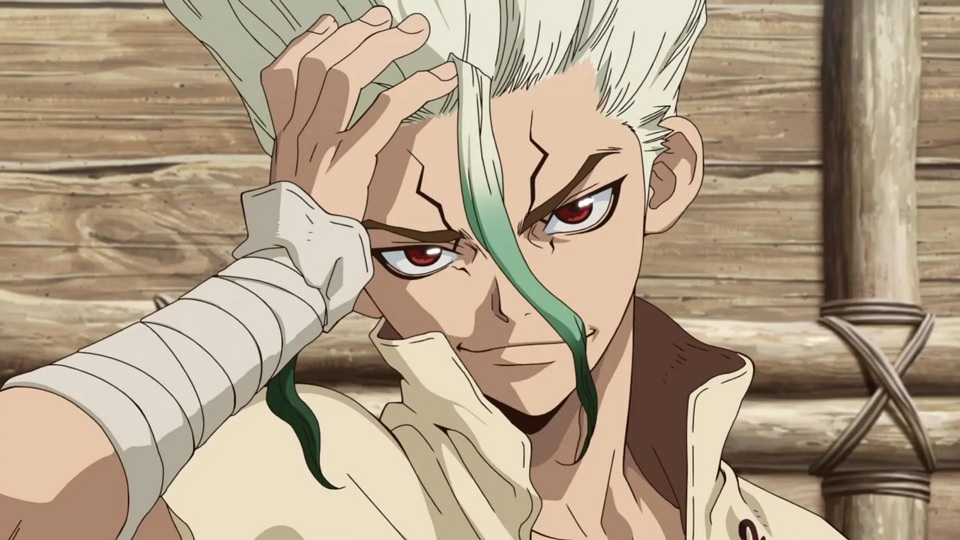
As an example, one of the manga Boichi deeply loves and continues to bring up during conversations is an unnamed title about raising cows, which was created by an author who loves and cares for the animals in real life. In this sense, believes mangaka should not be afraid to create something personal to them, and if they embrace the medium’s potential to the fullest, the final result will be unique and resonate better with readers. Looking at Boichi’s line of works, which include Sun-Ken Rock (a manga about a former young Japanese aristocrat turned orphaned who grows up to be the boss of a Korean gang), The Marshal King (which is about the son of an outlaw who vows to bring law to a lawless land), and Dr. Stone (he served as an artist creating a story about a scientific genius who wants to rebuild human civilization after its collapse), it’s clear that the range of genres and themes he covers is quite vast.
Boichi’s statement has come to be appreciated by aspiring manga artists around the world, with many agreeing with the points he had to make. While some comments admit that a large number of people are influenced by Shonen Jump, others seek to break from the fold and create more diverse works.
Related:
Major ranking of manga people want to see animated in 2026 topped by “The Mortifying Ordeal of Being Seen”


![Plan [ki]](https://automaton-media.com/en/wp-content/uploads/2026/04/20260402-64567-header-768x353.jpg)