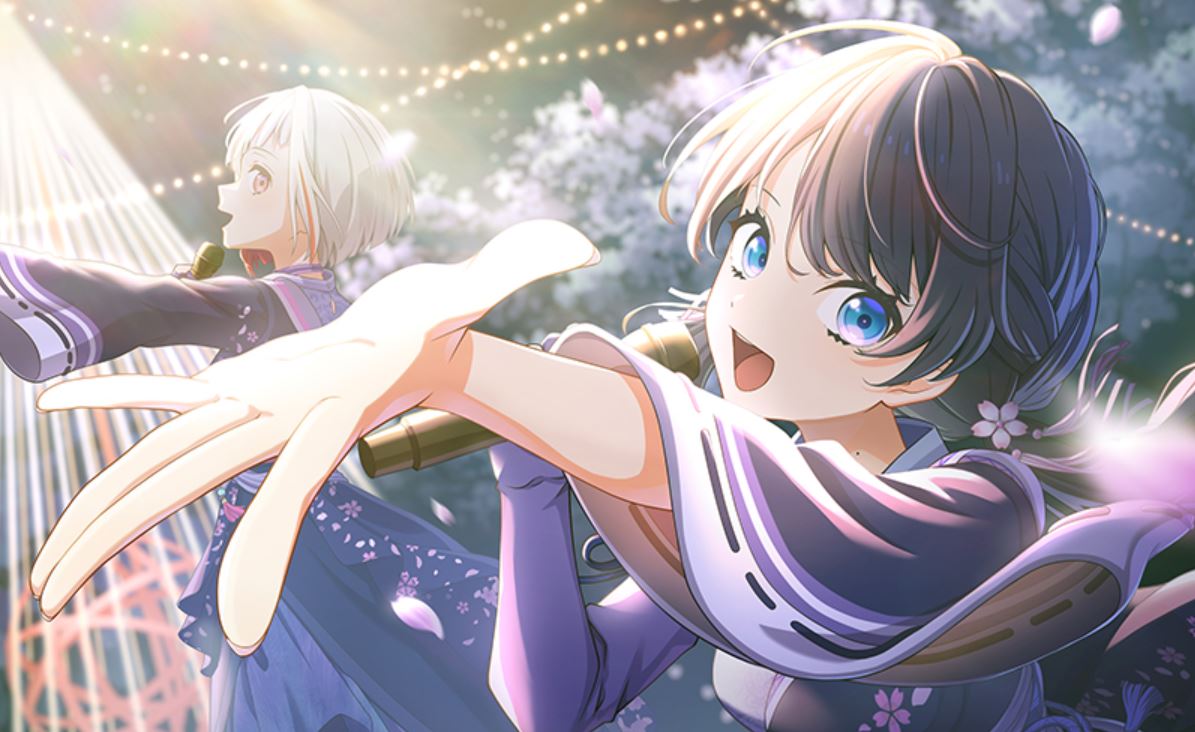
In the past few days, there’s been ongoing discussion among Japanese game developers on X about what things look like “from the other side” when live-service games are abruptly discontinued, with many agreeing that dev teams are often informed about cancellations much later than players might think. The discussion was prompted by the end-of-service (EOS) announcement of the mobile game Link! Like! Love Live!, which is set to shut down on June 20 after three years of service due to developer Odd No.’s worsening financial conditions.
While it goes without saying that EOS announcements are disappointing for players, who often remain without any closure and feel like their in-game purchases and gacha pulls have gone to waste, the news can be just as abrupt for the people actually making the games. On April 6, Japanese game designer Nozomu Ichikawa tweeted, “By the way, it’s a fact that mobile game developers and management teams often get informed of service terminations last minute, so please don’t blame them,” which prompted an outpouring of similar testimonies from industry peers. Indie developer Nekodora Soft, who used to work as a programmer at a game company for 17 years, added “This is true. We were carrying on with development work as usual, preparing a few months ahead, when we suddenly got called into a meeting room and heard the news.”
Another developer said, “I’ll probably never forget how utterly gutted I was when we’d finished a recording session where the voice actors did chants for our first and second anniversaries, after which the sound supervisor in the studio informed us that the company had decided to end the game. All I could think was you’ve got to be kidding me.” The phenomenon doesn’t seem to be limited to the mobile game industry either. Itchie, a Japanese programmer and producer who used to work at game companies like Square and SNK, says, “Cancellations of console game development projects are often communicated last minute too. The same goes for company acquisitions and mergers.”
Incidentally, following the previously mentioned EOS announcement of Link! Like! Love Live!, the game’s scenario director Shunsaku Yano addressed players from his personal X account to apologize for the untimely ending and express his gratitude for the past few years. He also mentioned that Link! Like! Love Live!’s scenario team only found out about the EOS decision “a few days ago” and was still struggling to come to terms with it.
Speaking of live-service games that ended abruptly, Akatsuki Games’s Tribe Nine, which lasted only 3 months despite launching to 10 million downloads in 2025, is a prominent example. Following its shutdown, the title’s core development members broke off to form an independent, non-profit creative project meant to complete the story they originally set out to tell. While this isn’t something many people can pull off financially and legally, it goes to show how frustrating premature EOS decisions can be for developers in a creative sense too.