Unityroom is a popular Japanese platform where amateur and professional developers alike can publish games made in Unity at no cost. Titles hosted on the site can be played for free directly in a browser, and developers can also earn modest ad revenue if they opt to monetize their work. Recently, this major domestic platform has been hit with a plagiarism incident involving generative AI. Apart from sparking outrage among the Japanese dev community, the situation has also raised concern about whether it’s at all safe for creators to post about their work-in-progress projects online now that generative AI tools are widespread.
According to a now-viral blog post by Gamer Janai, the incident revolves around Japanese indie developer and YouTuber Kamaboko. Over the course of several weeks, Kamaboko has been developing Typing Magician, a tower-defense style typing game. Since the end of February, they have been posting videos about the project’s progress on YouTube, detailing the game’s existing and planned features, as well as showcasing actual gameplay footage.
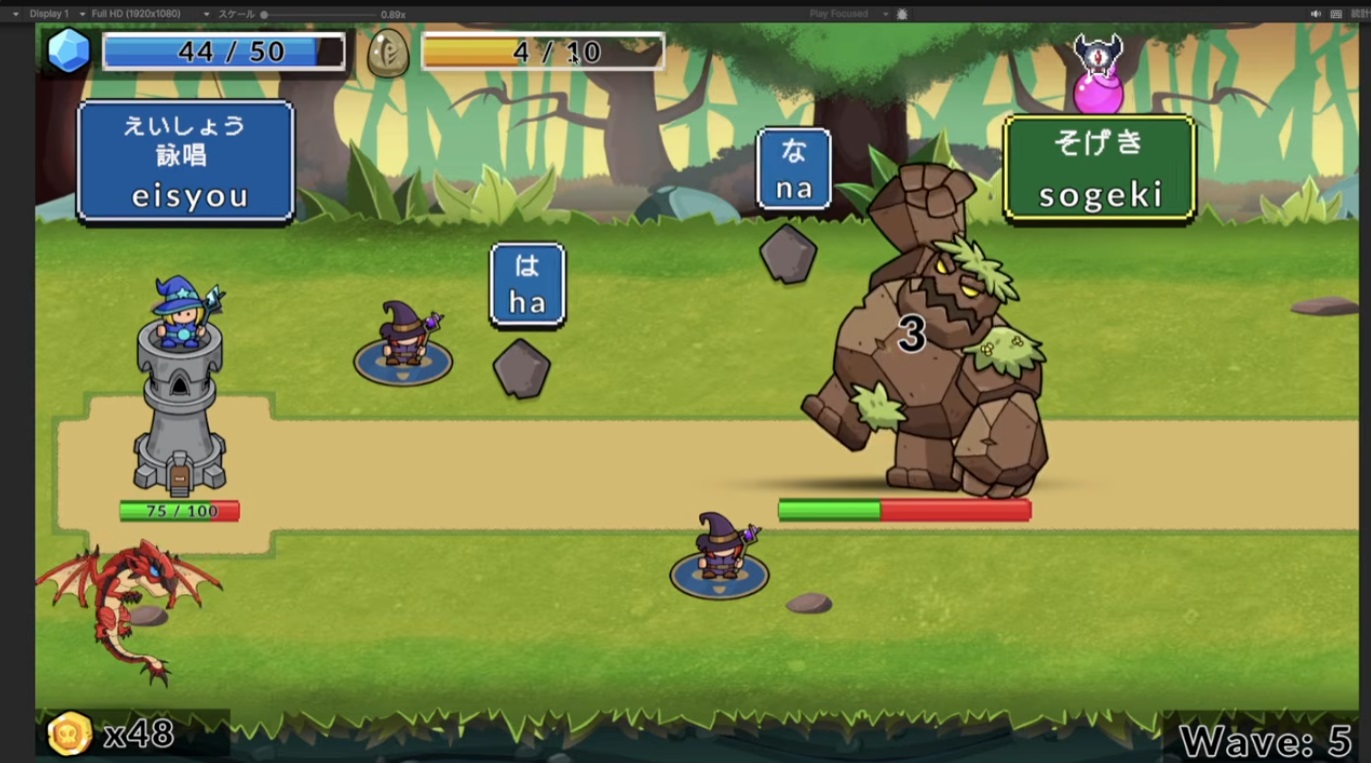
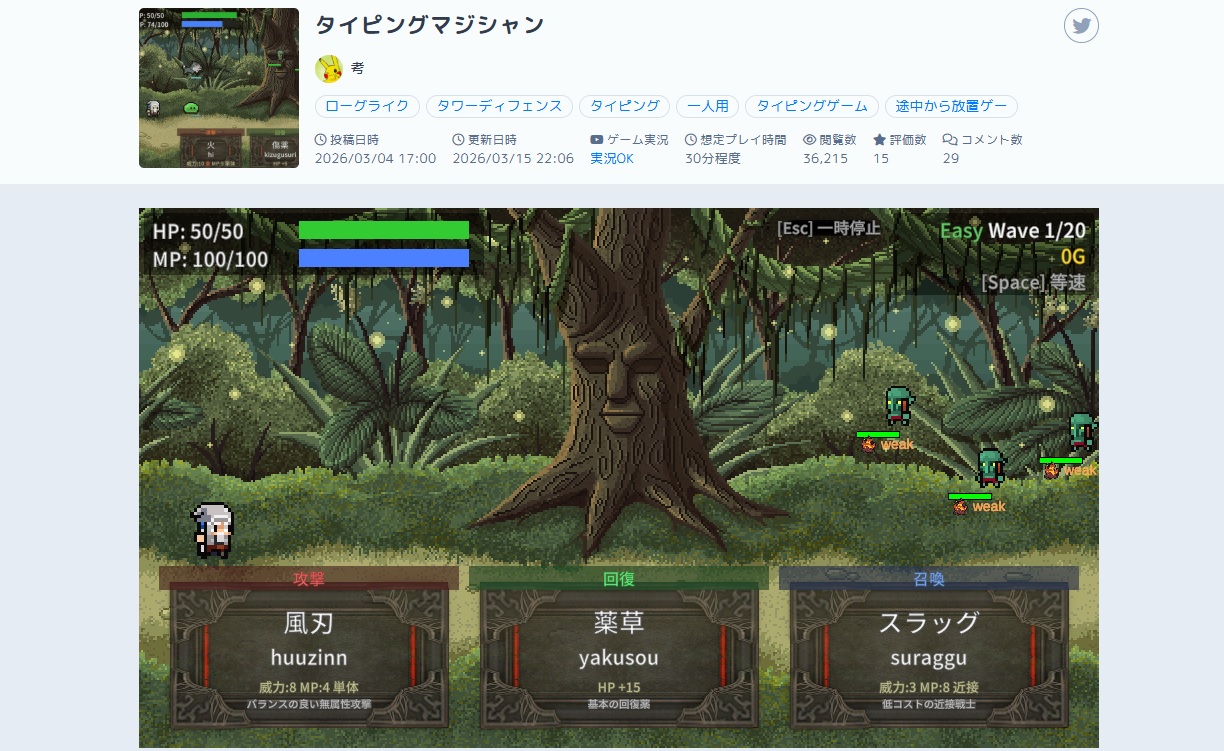
However, shortly after Kamaboko publicly revealed their project through the videos, an individual called “Kamaboko Kōsatsu Kōsatsu” (not affiliated with the original Kamaboko) posted a game likewise called “Typing Magician” to Unityroom. The game, with striking similarities to the still-in-progress project by Kamaboko, quickly accumulated almost 30k hits, making it to the platform’s “Popular New Releases” category.
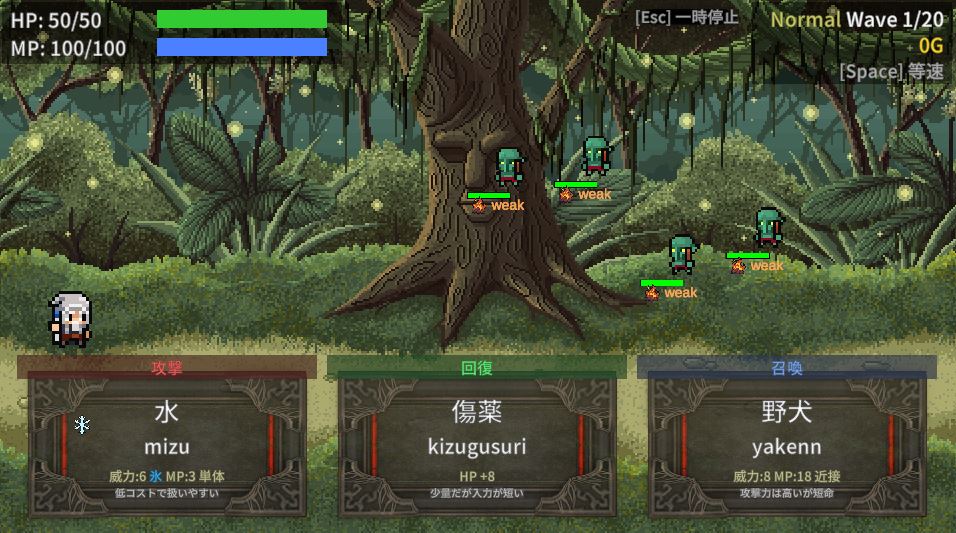
The game was, as its creator admits on YouTube, made by feeding Kamaboko’s progress videos to a generative AI model and asking it to create a game using the same specifications. Kamaboko Kōsatsu Kōsatsu say they made the copycat game in about 2 hours, and realized that “game development is incredibly easy” and “can be done with about the same skill level as working part-time at a convenience store.” In their own words, they call the game they released on Unityroom a “complete rip-off of Kamaboko’s project,” while emphasizing that ideas don’t have copyright. They seem to consider the act a kind of “payback” for a past (now-deleted) game by Kamaboko which allegedly plagiarized Pokémon and Palworld.
But personal drama aside, the precedent of someone using generative AI to make a rip-off game and publish it before the original is even completed has been shocking for Japanese developers. While the act has been condemned as malicious regardless of legal implications, it has also caused concern about occurrences like this becoming more common. Gamer Janai’s article warns creators to be careful when sharing information or footage of their in-progress projects, especially if livestreaming the development process on YouTube and the like. They recommend securing store pages early on to prevent your game title being hijacked, and suggest only revealing detailed game specifications once development has progressed significantly.