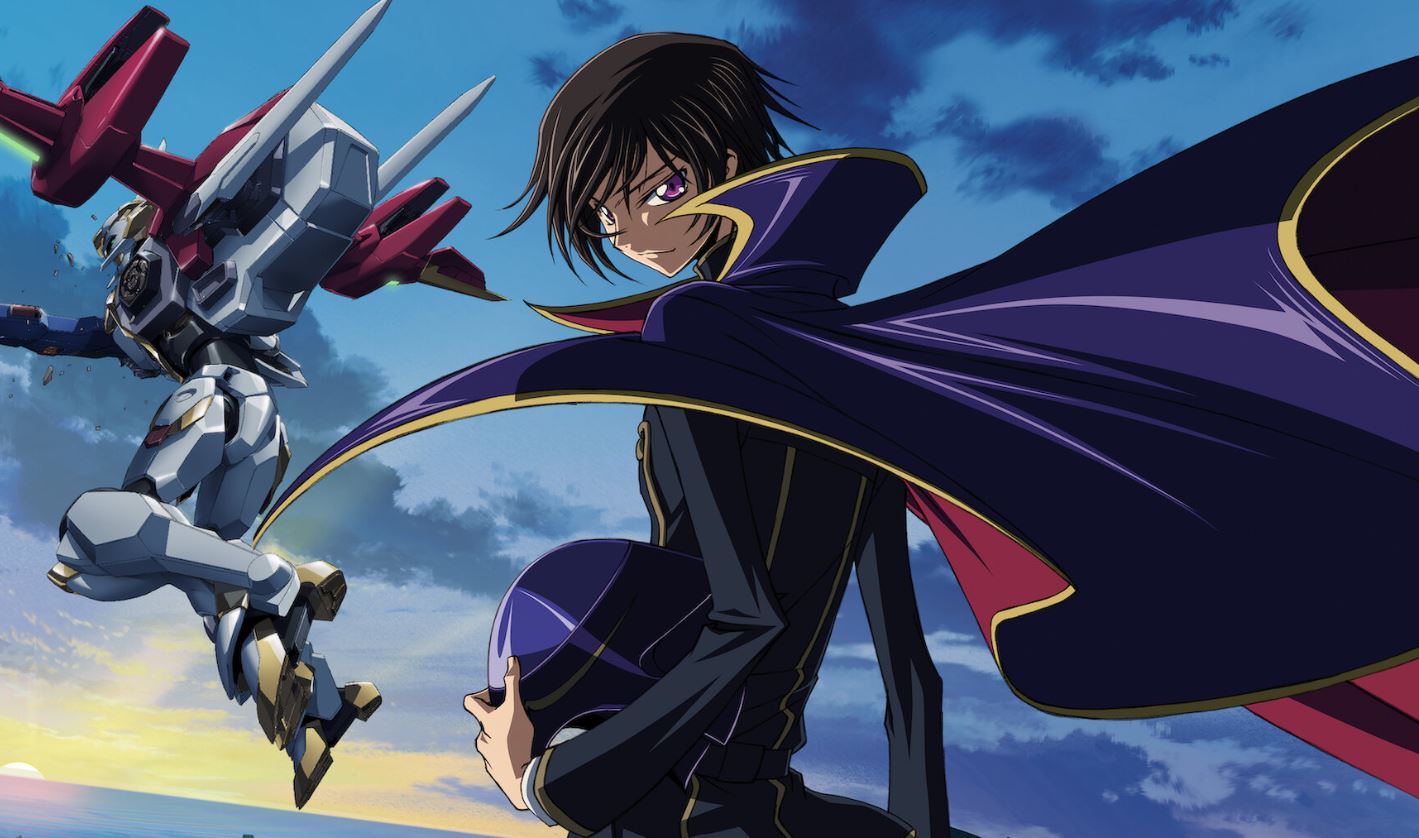
Goro Taniguchi, best known as the director of the acclaimed Code Geass: Lelouch of the Rebellion anime series, recently celebrated the premiere of his new feature-length film Paris ni Saku Étoile. Coming out in Japanese theaters on March 13, the film is an original, anime-only IP, much like Code Geass. Talking to Tokyo Shimbun, Taniguchi says he is very particular about creating and “leaving behind” anime works that are not adaptations of existing material, as it’s something he considers important for the industry’s survival.
“Over the last few years, adaptations have understandably become the norm because they’re easier to secure a profit on,” he says, “but I believe that if left with nothing but adaptations, Japanese animation will be done for.”
According to Taniguchi, the shift to adapting source material like manga and light novels has changed the role and required skills of creators in the anime industry. To illustrate, he compares anime to music, saying creatives who work on adaptations act more like arrangers, rather than composers or songwriters. While Taniguchi does not denounce the production of adaptations itself, he warns that should anime creators (including himself) neglect to engage in the “composing” side of things – meaning creating anime from scratch – they’ll gradually lose their way and become mere “subcontractors” to the source material.
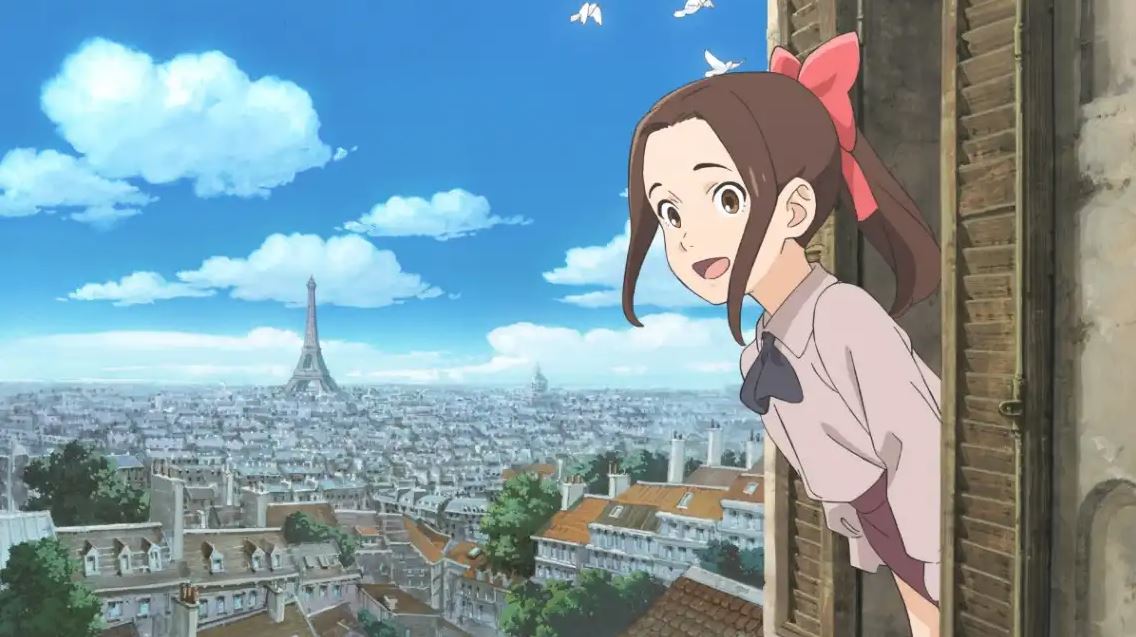
“I believe that when the wave of adaptations eventually subsides, other works must remain intact. It is precisely because of diversity that the surviving works of each era become the mainstream of the next. I believe this is the strength of Japanese animation. For that very reason, I want to leave behind original titles.” Rather than the proliferation of anime adaptations itself, it seems Taniguchi is mainly frustrated with how original anime have dwindled rather than remaining as an alternative style of production that co-exists with adaptation.
With his new film, which tells the story of two girls who travel from Japan to Paris during World War I, Taniguchi aims to resonate with a wide audience, and he says he has deliberately avoided using isekai, “OP skill” tropes, or even mecha and sci-fi themes to do so.