

“The Game Industry Guidebook” (unofficial translation), written by CyberConnect2 president Hiroshi Matsuyama and published by Kadokawa, is set to release on February 16. Featuring a collection of Matsuyama’s personal insights and data based on surveys of around 40 domestic game companies, the book provides advice to aspiring game developers and those already working in the industry. CyberConnect2 is known for developing the .hack series, the Fuga: Melodies of Steel trilogy, and several titles in the Dragon Ball, Naruto and Jojo’s Bizarre Adventure franchises.
Given that Japan’s hiring rate for aspiring game dev applicants is currently quite low at about 1.9%, Matsuyama hopes that his book will help prepare future generations of developers. An excerpt published by Famitsu goes into some of the common interview questions at Japanese game companies and the intentions behind them.
After interviewing several game companies, Matsuyama found that most of them ask a similar set of questions when interviewing applicants. One of the most important questions requires an applicant to list down all of the titles developed/published by the company that they have played. Those who haven’t played many of the company’s games will very likely be rejected, cutting down the number of applicants. Another set of questions delves into the technical abilities of the applicant and their commitment to the job, further shortening the waiting list.
However, Matsuyama also found one game company which, like his own, always asks applicants about their personal favorite piece of media, be it a manga, anime, game or movie. Using the topic of One Piece as an example, Matsuyama goes into why this is a great interview question and what kind of answer the interviewer is looking for.
When asked what it is about One Piece that you love, a superficial answer such as “I love how the protagonist Luffy teams up with his friends and goes on adventures,” would get you rejected, he says. This is because the answer doesn’t delve into specifics, reflecting the applicant’s inability to, in a future hypothetical scenario, explain the company’s products/services appealingly, should they be hired.
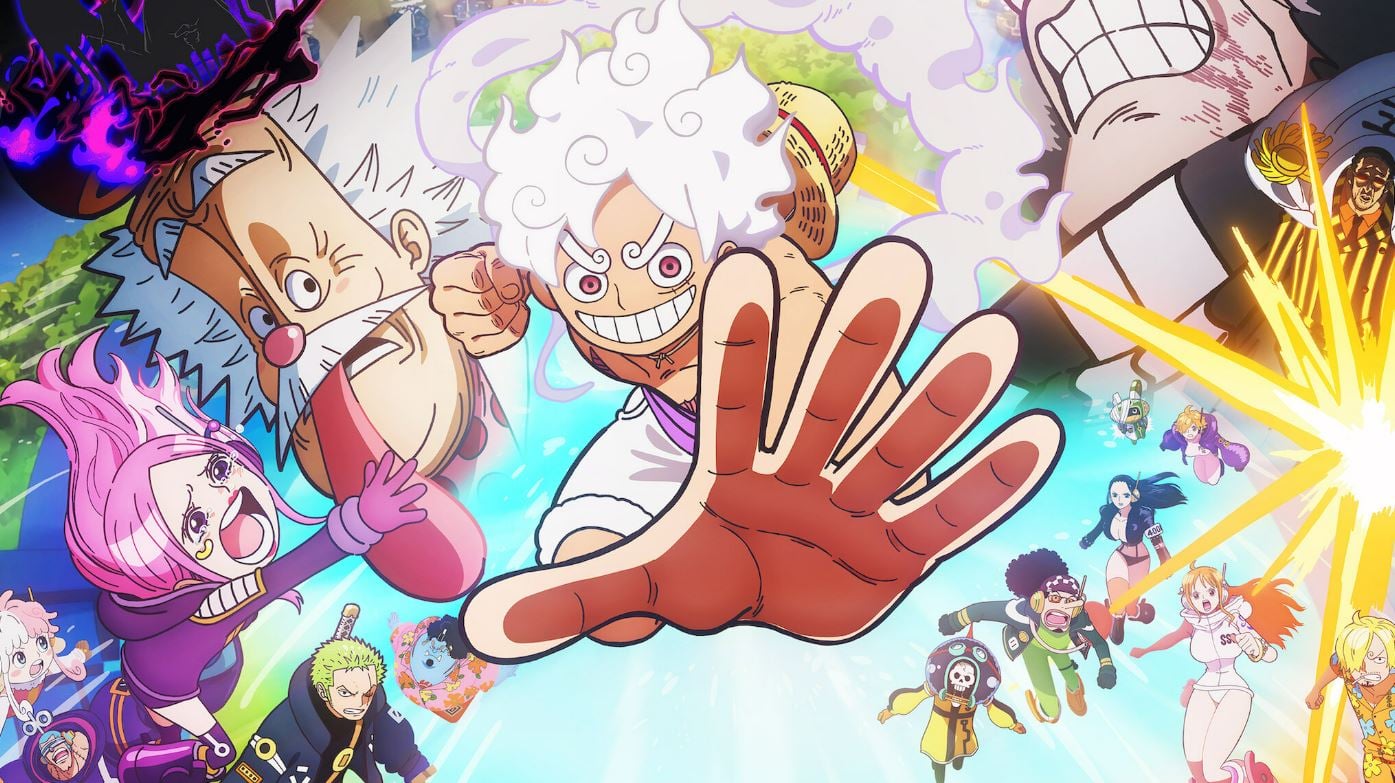
An applicant’s delivery is also taken into consideration. If they are overexcited to talk about the details of why they love the series to the point of becoming incoherent, then there is a high chance they will be rejected. On the other hand, if they manage to deliver a compelling explanation while retaining a certain amount of enthusiasm, that shows they can communicate effectively.
Matsuyama notes that answering a question about favorite media with something as popular as One Piece is a very risky move. Since interviewers are likely to be familiar with it, they will expect the applicant to deliver a unique analysis, so it essentially means raising the bar for the responder. This does not mean that providing an obscure piece of media as an answer is the solution though, as the company that asks these questions admits that it’s not about the popularity of the media that matters, only that the applicant can express their passion for it in an articulate and engaging way.
“It’s fine, even if it’s a work we don’t know. If we hear the explanation and think, ‘We’ve never heard of that, but it sounds interesting!’ then the candidate passes. After all, the ability to convey your passion for a work to a complete stranger in an engaging way is essential in this industry.”
That said, these questions are more common in game publishing roles, such as for producers, marketing, and sales positions, rather than development positions. Since the goal is to gauge an applicant’s ability to convey the appeal of something, applicants for behind-the-scenes roles such as programmers and game designers are less likely find these questions in their interviews. It should be noted that CyberConnect2 applications uses similar questions as well, so keep that in mind in case you’re looking to apply
The Game Industry Guidebook is set to release on February 16 and costs 2,200 JPY (roughly $14 USD). There are currently no plans for an English translation.



One Piece is normie slop for literal children so if that’s your favorite manga you shouldn’t be anywhere near a creative field to begin with.
Haha Ive been hooked on OP since the early 2000s because the mysteries of the void century, the will of D, all add this compelling through line alongside the extremely creative worldbuilding and magic system.
It isn’t that hard 😆
This is correct, I couldn’t say it better myself.
It’s a dumpster fire.
Sounds like they basically said “we want you to be a big fan and super passionate but not that big of a fan and not super passionate but definitely don’t be a non-fan ”
Kinda sounds like a ridiculous standard
So this company wants you to have played games from at least 5 series they have made (likely a$200+ in cost to you there, not counting the time) and then is going to review why you like something in your personal time so that a dev can sell product (that job belongs to sales). Sounds like they want programmers that spend their time playing games, and have social skills to act as sales as well. Yeah that is a small target of staff. And a waste of time as most of the devs are never going to get an interview let alone be out in live sales pushes to customers. Is it also a surprise that I have played none of those series of games?
Dragonball and any of them are slop.
One Piece actually has a decent story and amazing lore behind it.
Anything mainstream generally gets ired by fan bases and haters.
If you can tell the idea of the overall plot and make it sound decent anything is good to say.
Some amazing manga got ruined by adaptions.
The best part of one piece is the fantastical islands with weird rules that they end up on
All the ones that insult one piece, clearly can’t even read what this media even said.
If you actually read it, only one opinion was asked and they asked a child.
Also most great anime writers respect each other, not feel threatened by them and have to make a whole story of why they are better than others, all cause they lost popularity and focus in sales.
If you can’t even read a page fully it’s no wonder you don’t like op, you can’t even read past a title.
I only clicked cuz I saw the .hack //gu front page, but I like one piece 👍
Bro rage bait used to be beleivable.
Great way of saying that you’re such an edgy hipster who would never be able to get into one piece because it’s too “mainstream” for you. Must be unfortunate not being able to enjoy things because they’re popular.
Thinking once….
Thinking twice…
Done.
One Piece is my favorite manga.
Dear god what a sad sack you are. Get a life
Basically, if you’re not passionate, you’re not hired. I think it’s very good that they intend to hire passionate devs. It’s really hard to fake that kind of thing. I’m thinking now, about what I could say my favorite piece of media is. I’d likely say Nier Automata but trying to explain my love for that game is such a complicated endeavor. If it’s about the way something made me feel I’d likely say Gurren Lagann which would be easier for me to express. All in all, I may buy this book just to get a feel for what this industry looks like. Great article