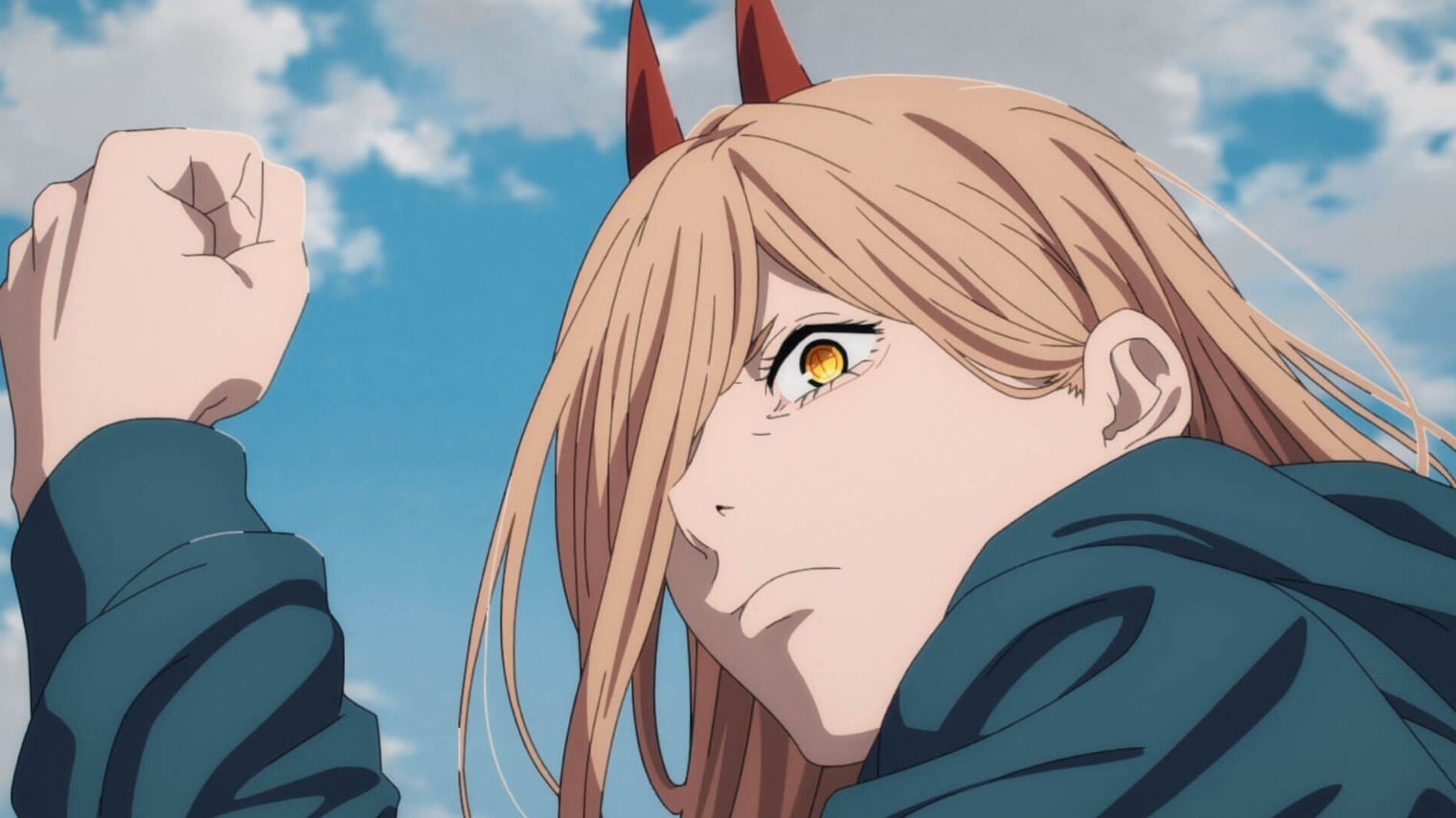
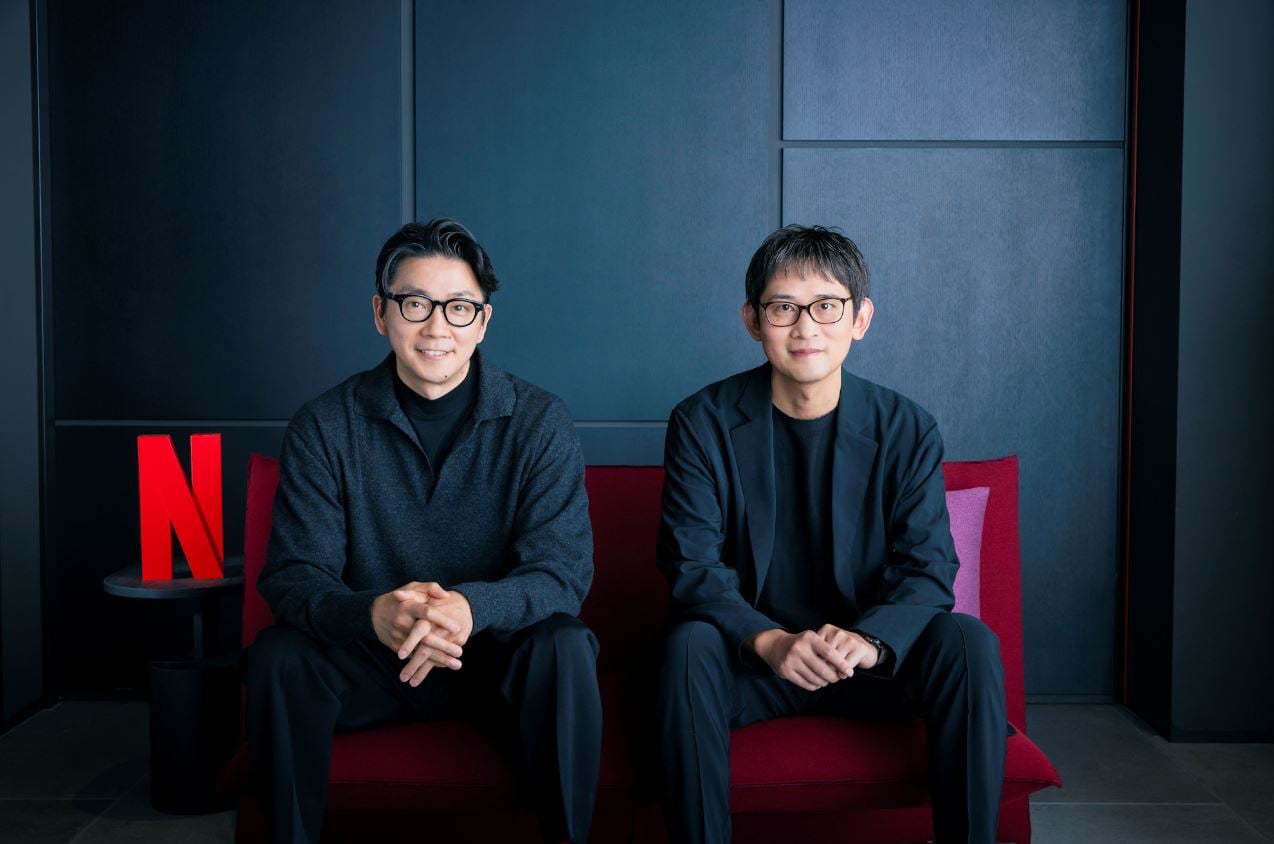
Chainsaw Man and Jujutsu Kaisen animation studio MAPPA recently announced a strategic partnership with Netflix, through which the two companies plan to co-produce and distribute multiple upcoming anime projects. When the announcement was first made on January 21, MAPPA’s president Manabu Otsuka said that Japanese animation studios now need to take the lead in all stages of anime production themselves, declaring the company’s intent to become independent. According to veteran TV Asahi producer Hiromichi Shizume (source: Pinzuba News), moves like this could create pressure to rethink Japan’s long-standing “production committee” system.
Becoming commonplace in the 90s, a production committee is a consortium of companies (such as manga publishers, broadcasters, and marketers) that come together to invest in the production of anime on a project-by-project basis. While this system helps fund new titles and reduces the financial risk animation studios bear, it’s also somewhat notorious for not allowing the studios to make money.
As Shizume puts it, investors allocate only the bare minimum to the anime studio, keeping productions costs low. This means a base budget for the studio is secured even if the anime doesn’t end up selling, but it also gives investors the opportunity to lap up most of the profit. And since there’s no royalty system in place (like in book publishing, for example), the studio’s cut remains the same no matter how big a hit the anime becomes. As a result of this structure (and other related factors like manpower shortage), there has been a rising number of studios going bankrupt, and animators’ wages have barely improved throughout the years.
However, if Japanese studios skip the production committees and start signing directly with global streaming giants (like MAPPA has with Netflix), Shizume believes production budgets will rise considerably. “Creators naturally want to work where the pay is better, and they have more freedom. That’s true not just for anime, but for dramas and variety shows too.”
While he cautions that it’s still not clear how far these kinds of partnerships can go in breaking apart the production committee system, Shizume notes that, “If we start seeing a string of overwhelming hits, there may be growing pressure to rethink a system where only the investors profit.”
Days with My Stepsister author explains why some anime never end up getting a second season. “Even if we had the budget, it would be too difficult to assemble the original team again”