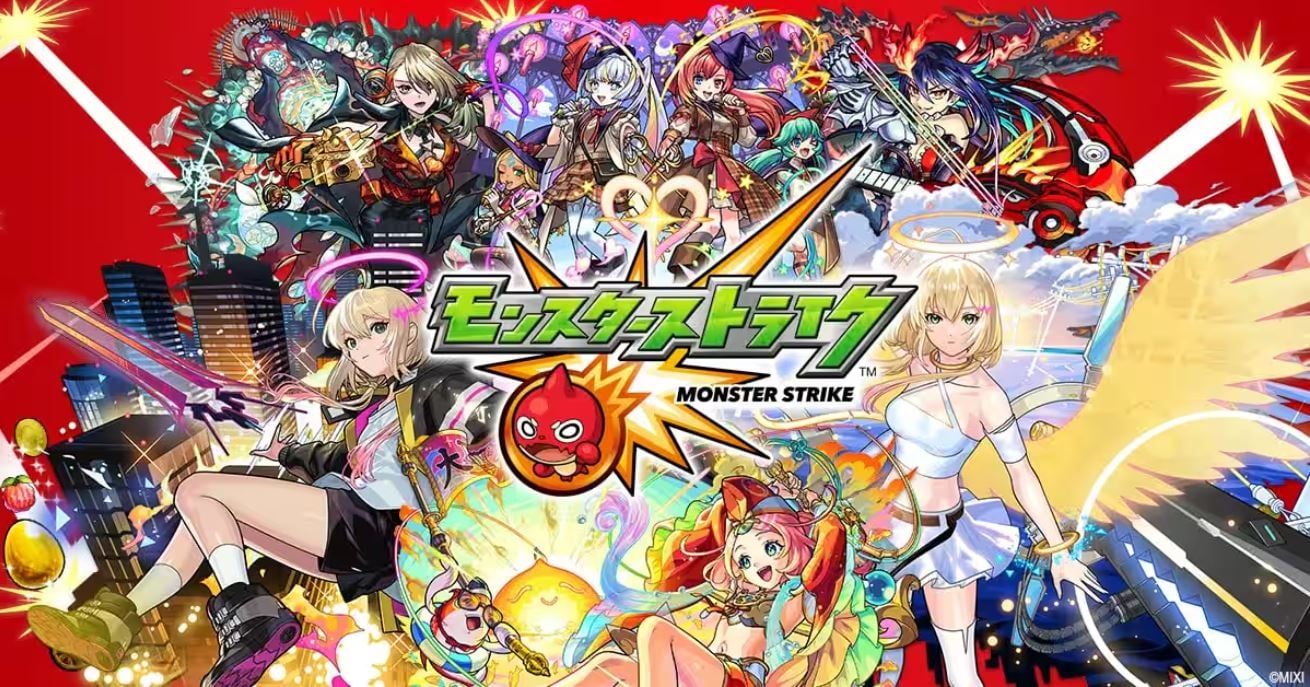
Former Konami and Capcom veteran Yoshiki Okamoto, known for producing Street Fighter 2 and co-producing Resident Evil 1, recently shared some details about his career following his departure from Capcom in 2003. In an interview with Denfaminicogamer, Okamoto opened up about how he recovered from a debt of 1.7 billion yen (over $10.7 million USD) and went on to create Monster Strike, a co-op mobile RPG that became the highest-grossing mobile app of all time in 2019, and continues to top charts over 10 years later.
After his independent development company Game Republic collapsed due to a lack of major hits and publishing deals falling through, Okamoto had to let go of 300 employees, and his position made it very hard to recover. “At the time, I was carrying 1.7 billion yen in debt to the bank,” he recalls. “Even if I wanted to do something new, I couldn’t do it on my own. No one was going to approach a creator who bankrupted a company and offer them a job (laughs).” As banks wouldn’t lend to him, and game companies wouldn’t commission any work from him, Okamoto was practically cut off from the industry at this point.

This left him with no other options but to turn to his ex-wife. “I went and bowed my head to her. She was literally the only person I could turn to,” he comments. Back then, Okamoto believed mobile games were on the verge of becoming the next big thing in the industry, and asked his ex-wife to help him set up a mobile game company.
According to Okamoto, she proceeded to call him a “useless husband,” but was impressed with his investment proposal nonetheless, and agreed to provide capital for two small companies, called 394 and 395 respectively (with the latter soon being renamed to Deluxe Games). Okamoto was simply an employee, while his ex-wife and children were the de-facto owners and major shareholders.
394 handled contract work for Mixi (the company that would later publish Monster Strike) and other clients and was only marginally profitable, while Deluxe Games basically had no steady revenue at first. Matters became more difficult when 394 downsized, with Okamoto himself being laid off. “They didn’t show any mercy like, ‘He’s the owner’s ex-husband, so let him stay’ (laughs).”
Before that happened, however, Okamoto had already pitched a game concept to Mixi. With a small team of former colleagues at Deluxe Games, he continued developing the idea which eventually became Monster Strike. Okamoto says he was extremely confident in the game even early on, so much so that the rest of his co-workers were put off. The basis for his confidence was his belief that widespread smartphone adoption and network connectivity had created the perfect conditions for large-scale hits in the genre. Unlike full price games which would require you to first fork out money for a console specifically to play games, mobile games were much easier to take up, since at that point, owning a smartphone had already become a given.
Using Capcom’s Monster Hunter series as a reference, he designed Monster Strike in a way that would encourage players to get together and play simultaneously, predicting that this too would boost the game’s popularity.
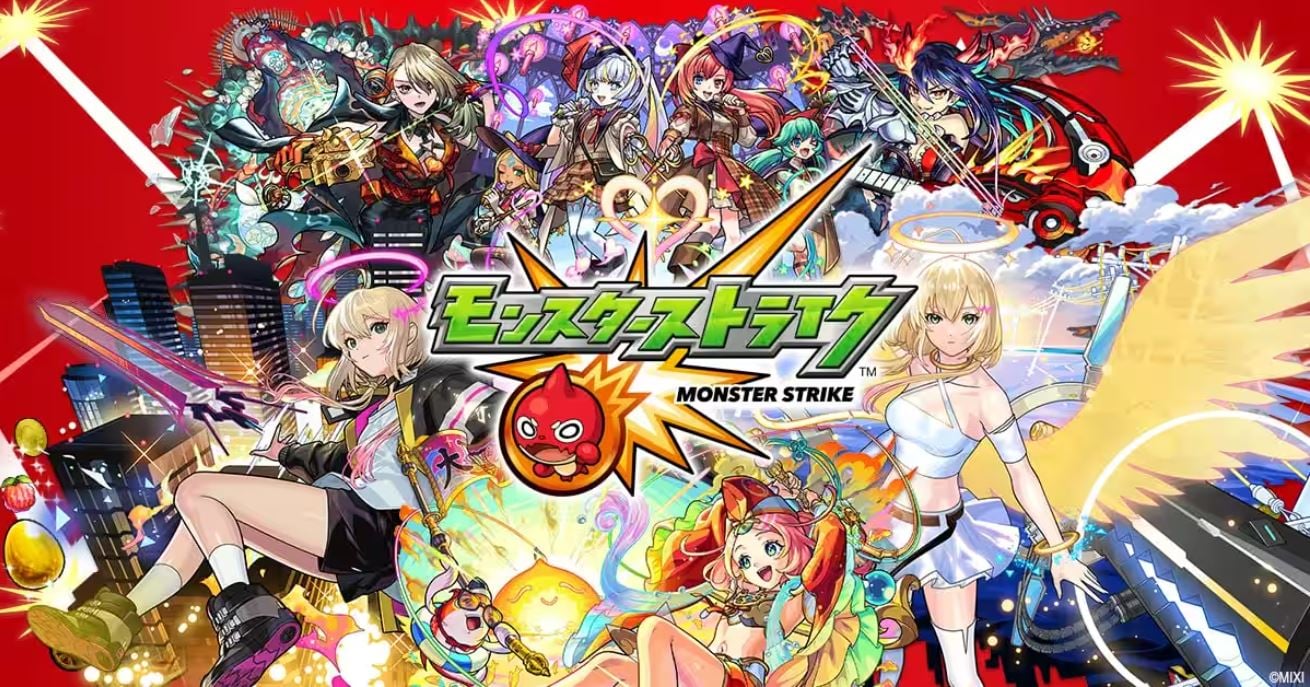
While it suffered from some server issues early on (and criticism of its cheaply outsourced early art), Monster Strike went on to grow rapidly, eventually becoming the no.1 highest-grossing mobile game worldwide. Interestingly, before launch, Okamoto predicted it would be ranked no.2 globally.
But despite the success, Okamoto says he didn’t assume a management role at Deluxe Games, as he was not a shareholder and had no authority to do so. For about two years after Monster Strike launched, his monthly salary remained between $940 and $1,890. The humble wages are apparently what Okamoto himself wanted, as he felt he might grow complacent and lose his drive to make hits if he earned too much. While working in Malaysia, he now serves as game producer at Deluxe Games while also running a popular YouTube channel dedicated to games.