

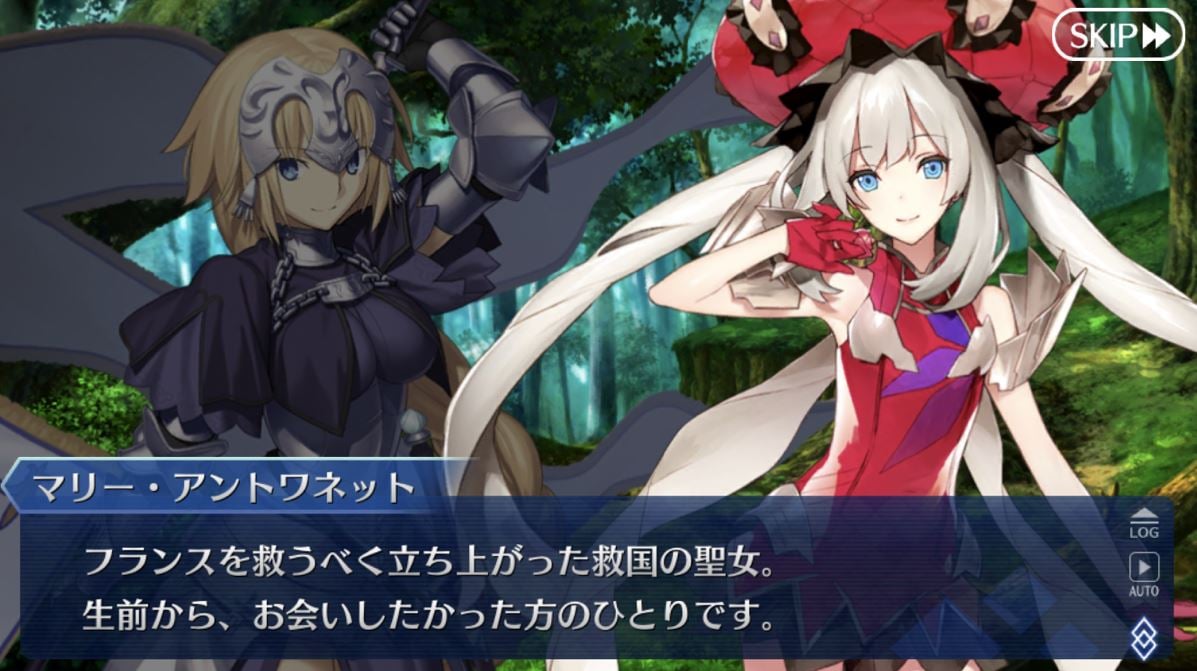
One of Japan’s most widely used commercial font services has ended its affordable license plan for game and app integration, creating a complicated and expensive issue for domestic game developers. As reported by Gamemakers, the service, called Fontworks LETS, discontinued its game license plan as of November 28. Its replacement, offered through Fontworks’s new US-owned parent company Monotype, comes with an annual price tag more than fifty times higher, according to Game*Spark.
The old LETS plan allowed developers to integrate high-quality Japanese fonts into their game builds for roughly 60,000 yen a year (around USD $380). Under the new Monotype structure (which no longer has local pricing for Japan), a plan that permits game integration is reported to cost $20,500 per year. Even more problematic for developers, the contract includes a 25,000-user cap for applications using provided fonts, which, as Game*Spark points out, is completely unrealistic for most commercial titles nowadays.
It’s also worth noting that in the case of games in Japanese, it’s not so easy for developers to find alternatives. While games using English can rely on system UI fonts, cheap commercial fonts or open-source options, the sheer number of characters used in Japanese means high-quality fonts are extremely difficult and expensive to make, so few affordable alternatives are available. This is what made LETS an important service, but its revamped pricing and limitations have now put it beyond the reach of a good chunk of developers.
The main factor behind this shift appears to be the acquisition of Fontworks by the US-based Monotype in 2023. The LETS program was essentially consolidated into Monotype’s global subscription program in a way that doesn’t seem to be catered to game developers or Japanese-language users at all.
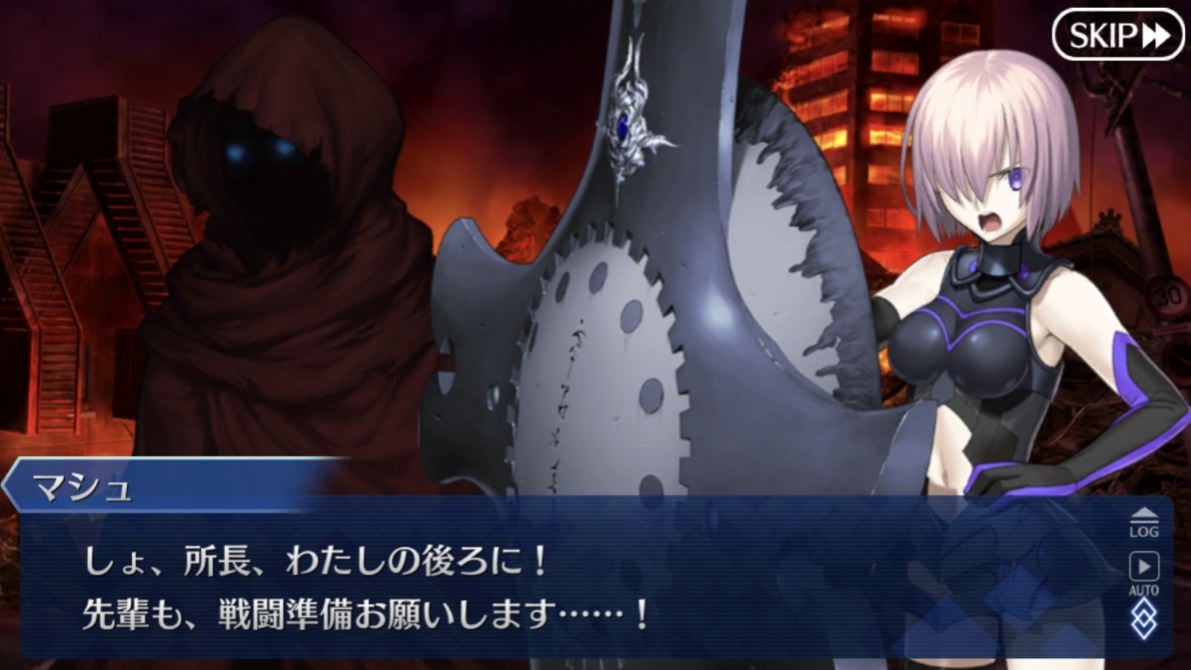
According to Japanese web and UI/UX designer Yamanaka, developers of ongoing live-service games are likely to take the biggest blow from this – even if they switch to licenses provided by competitors, they will be forced to redo integration, the whole QA process and re-release in a very short period of time. Additionally, a change in fonts will mean a change in branding, which means the workload will expand to updating websites, advertisements and other related content. On the other hand, games unable to switch or renew the expensive Monotype license will, according to Game*Spark, likely not be able to update legally. One prominent example of a live-service game using LETS is Fate/Grand Order, which has over ten years’ worth of content.
“This is a little-known issue, but it’s become a huge problem in some circles,” commented Alwei, CEO of development studio Indie-Us Games. According to Alwei, after receiving a hefty quote for renewing their license, their company decided to switch to a competitor’s service called DynaFont. The full impact of this issue is expected to become even more evident throughout 2026, and Japanese developers are hopeful that Monotype will offer a more reasonable solution.

Hmm 🤔 Given how much free japanese fonts there are that also done Latin alphabet glyphs this shouldn’t be a problem for indie creators. Sounds like someone needs to create a alternative foundry to compete with monotype.
Typical greedy POS U.S. company
>Live-service games to take the biggest blow
GOOD. Live service is a cancer.