

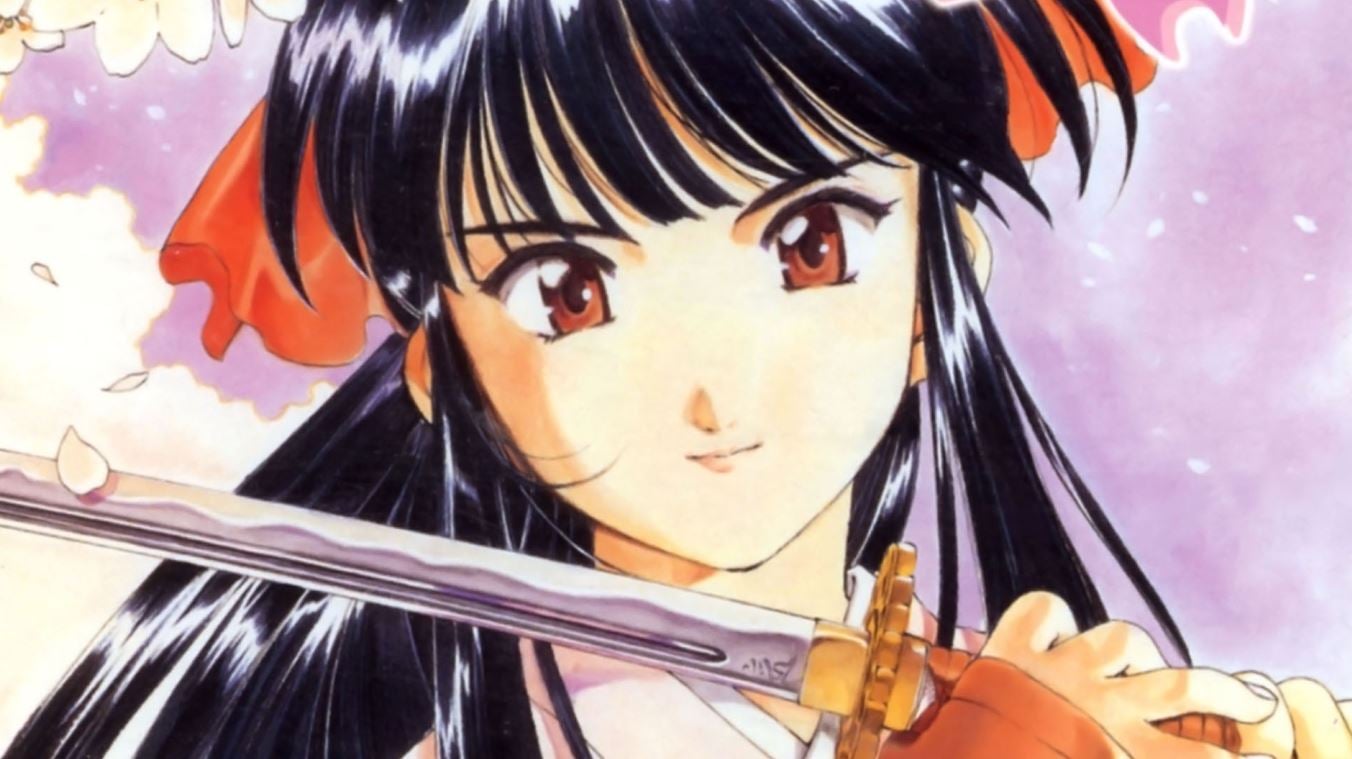
Veteran author and game developer Oji Hiroi, known for creating the Sakura Wars and Far East of Eden franchises, recently talked to Business Hit about his views on Japan’s anime and game industries. Aside from producing several hit IPs, Hiroi has also worked with Lucasfilm (the studio behind Star Wars) and Pixar, giving him experience in both the domestic and US entertainment scenes.
Reminiscing on the mid-90s, Hiroi says he felt Japan had a clear upper hand over its global competition. “Back then, both Japan as a whole and I myself were riding a wave of momentum. I genuinely believed Japan was number one in the world for both games and anime, and to be honest, I think part of me that looked down on America to some extent.”
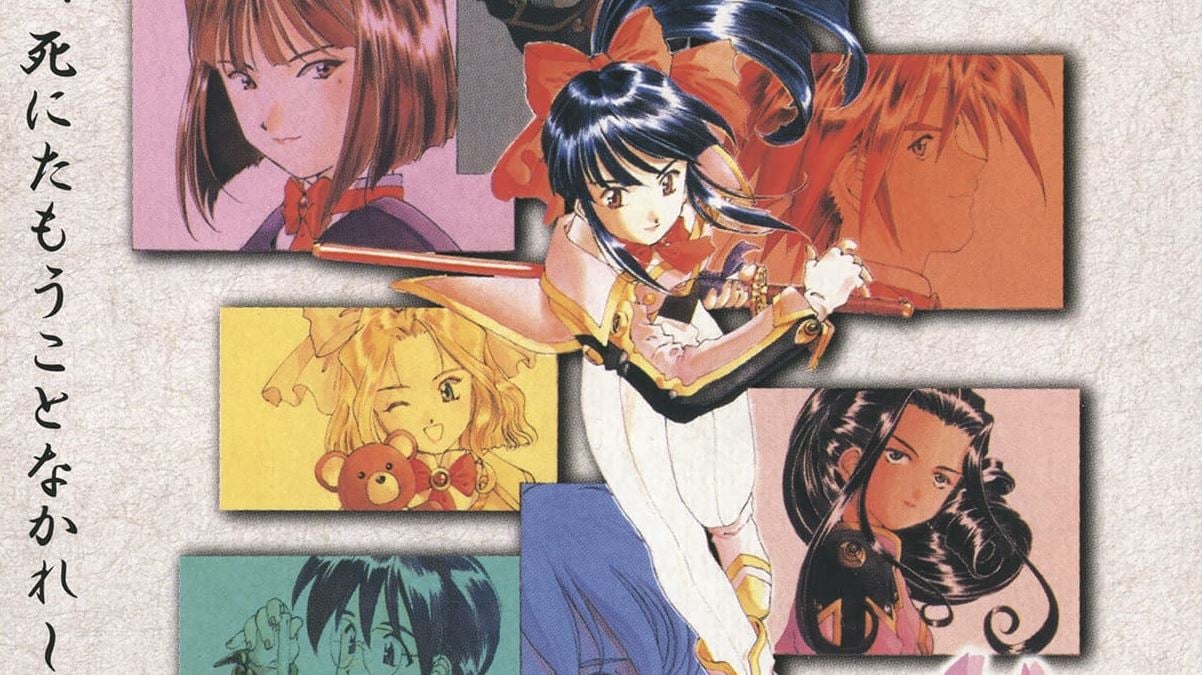
He goes on to comment that, “When I actually went to America, I thought, Wait, what do you guys even plan to make in this kind of environment? After all, Hudson was the first to make CD-ROM technology a reality, and even Michael Jackson was involved with Sega in the 90s. Japan back then was undoubtedly at the forefront of global creativity.”
Now, decades later, Japan has managed to ride that momentum and become a global powerhouse when it comes to anime. Hiroi says he’d always known that hand-drawn 2D animation would be the path to success, even when his peers in the 90s and 00s were convinced 3D CG animation would become the next huge thing.
On the other hand, when it comes to the games industry, Hiroi thinks Japan is holding itself back. When asked about the relatively stagnant state of domestic games (compared to anime) in the 21st century, he comments, “The typical trend became to immediately churn out sequels like “2” and ‘3’ whenever a hit title emerged. Do you know why that happened? The underlying mindset was, Since it’s a sequel, we should be able to make it cheaper.”
Hiroi considers this practice to be the complete opposite of how IP business is supposed to work. “When a title sells well, your next step should be to invest even more in it and enhance its value. Instead, the industry rushed toward the mindset of It already sold, so next time let’s cut costs and make efficient profits.”
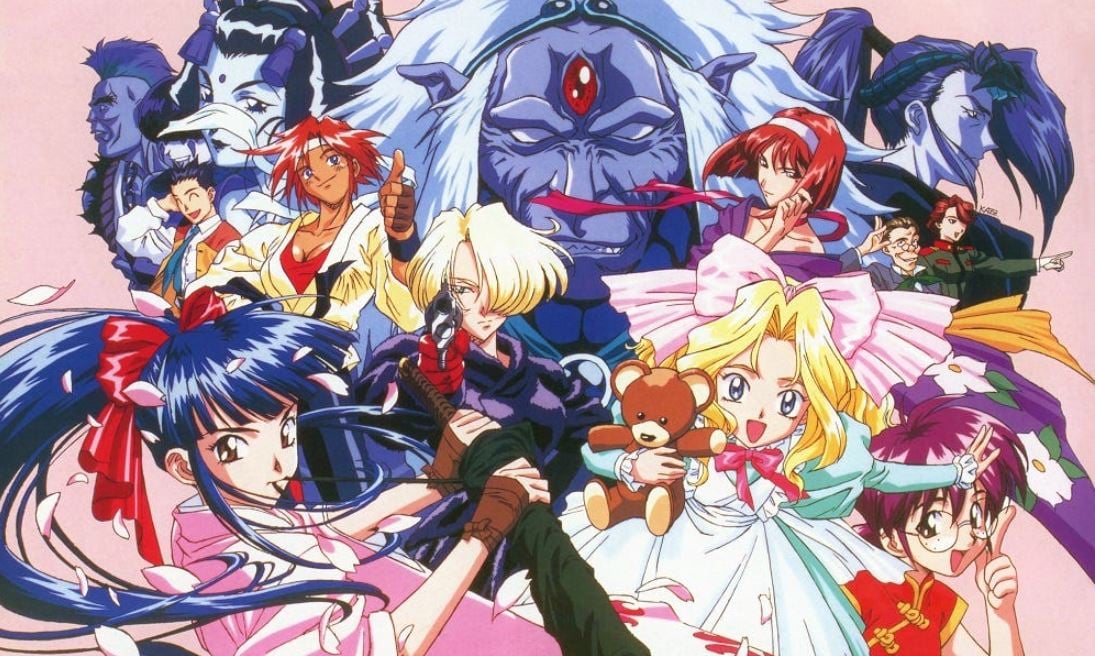
Interestingly, Hiroi suggests that Japan’s dominance of the game market in the 90s was part of what subsequently led it to plateau. “Because Japan’s game market itself was the world leader, there wasn’t much incentive to think about how to compete overseas or how to expand globally. As long as things kept circulating within Japan, the business model worked.” This, according to Sakura Wars’s creator, became a “major challenge” that the Japanese industry now faces.
Related: Mega Man creator Keiji Inafune criticizes game industry’s growing reliance on IP fame and trendy genres. “We need developers with a clear message”



Well it worked they have focused more on good stories it seems the west is more concerned with the graphics but the stories suck. That why I play exclusively Japan games (JRPGs) as they have good stories. And western games are boring and stupid stories. Don’t change Japanese devs you have great stories.
“…there wasn’t much incentive to think about how to compete overseas or how to expand globally”
Honestly, I think what made japanese games appealing is that, well, they *didn’t* attempt to appeal to the rest of the world. The more they’re trying, the less appealing they’re becoming.
This feels very egotistical and incredibly bias. I mean the 90’s had Doom, Duke nukem, twisted metal that come up off the top of the head. Then again I wouldn’t expect the Japanese to be open minded.
Couldn’t agree more. Which is why the world I am creating for my books is something we never have seen before.
Those games weren’t in the same stratosphere as what Japan was doing. PCs then were very expensive yet weren’t competitive at all with what i.e. Sega was doing in the Arcade. For example, Unreal came out in 1998 and was 800 polygons per model. Yet 1993 Virtua Fighter was 2,700 polygons per model. The problem with the Japanese games industry was that they strayed away from following big brother anime. Every game out of Japan should’ve bare minimum had dual language voiceover localization. They was just trying to hide who they were, unlike anime.
When the actual Western=White arrived via Middleware software, Unreal Engine 3 (because they weren’t talented in programming, creating their own engines), the price of the PlayStation 3, and the firing of The Father of the PlayStation, Ken Kutaragi, was the start of the decline.
Oji Hiroi is an absolute legend. He’ll never be known for that outside Japan very unfortunately because Sega of America and Bernie Stolar in particular, messed up by refusing localization of Sakura Taisen despite the anime being popular here around the same time in the late 1990s. Sega overall dropped the ball on him. TWICE. The other was not buying Red Entertainment which was extremely stupid.
Fighting games where you only need to render 2 characters running on arcade hardware are inherently going to look better than a dynamic fps with multiple interactive entities, actors and scenery. That’s not a good comparison.
Couldn’t agree more
What is this boomer talking about
You had the Jak trilogy, Ratchet and Clank, GTA ps2 trilogy, Prince of Persia, Sly Cooper, Devil May Cry 1 and 3, Silent Hill 2-4, Fatal Frame 1-3, MGS 2 & 3 and others all released within the same gen that were all great games.
Nowadays games take an entire generation or more to release, have dev teams with hubdreds of people, outsource huge portions to India and other countries, run like absolute garbage despite abhorrent hardware requirements and look visually worse than games like the Arkham series from 2015.
How out of touch is he?
Making sequels because they’re cheap as a reason for Jp’s market decline is a wild accusation for Hiroi to be making. I might have given him some credibility if he was still active in the industry but he hasn’t been involved in anything big in decades. Perhaps he’s making that claim based on his own experience since Sakura Wars 4, the last game in the series, seemed like a total cash grab given its structure and length and he’s still salty about it to this day.