

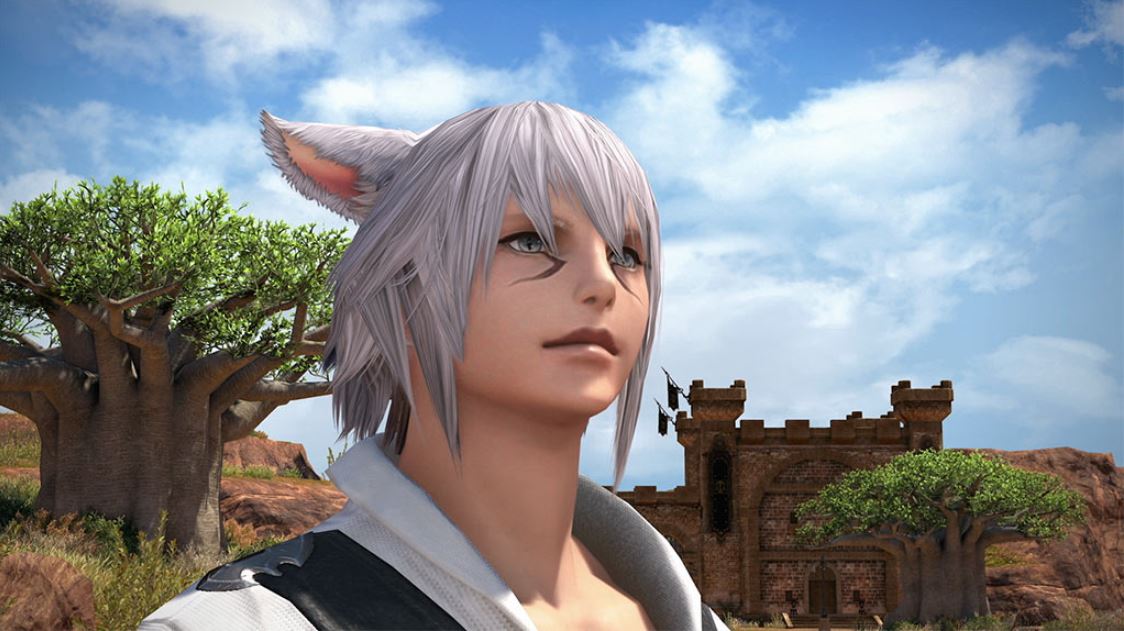
In the past few days, two major Japanese aggregator news sites dedicated to Final Fantasy XIV, called Netoge Sokuhō and Umadori Sokuhō, have announced that they will be shutting down. While Netoge Sokuhō’s closure came as a direct result of Square Enix taking action against abusive and defamatory content targeting its employees found on the site, the latter appears to have decided to preemptively withdraw in fear of similar repercussions. According to Lucky Bancho, a prominent Japanese FFXIV veteran known for conducting large-scale, unofficial yearly censuses of active players on The Lodestone, the closure of these sites is a pretty big turning point in the history of the Japanese FFXIV community.
To provide some background, Netoge Sokuhō and Umadori Sokuhō were not hobbyist blogs, but monetized sites which posted dozens of articles per day. Referred to as “matome sites” in Japanese, their content predominantly consisted of articles made by compiling threads and replies from the anonymous messaging board 5channel along with similar sources. They also featured comment sections of their own, which, as the administrators of Umadori Sokuhō recently admitted themselves, were difficult to moderate and often descended into slander and harassment of Square Enix employees. Some players who frequented these sites even witnessed flaming involving the family members of prominent FFXIV staff members, so it’s not very surprising that they came to earn a negative reputation among a good chunk of the playerbase.
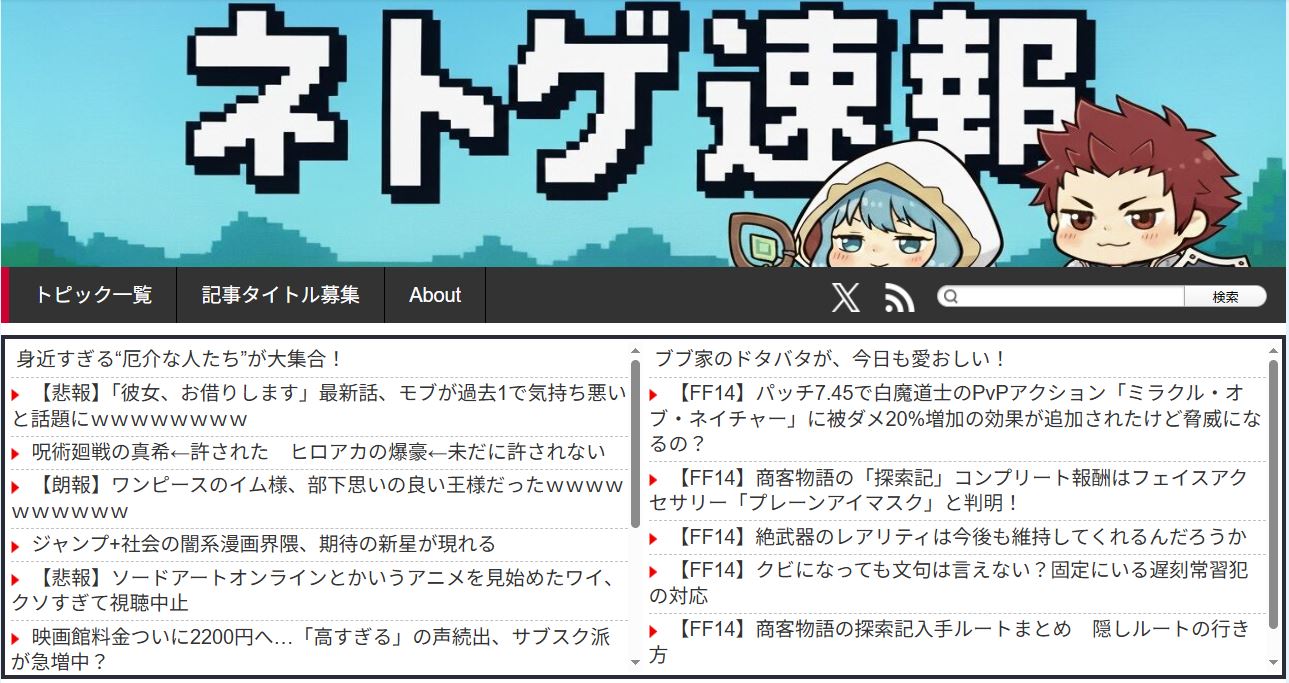
According to Lucky Bancho, it was in 2024 (when FFXIV’s divisive Dawntrail expansion launched) that aggregate sites became almost like hubs for accumulated dissatisfaction. “Whether as a response to declining ad revenue or to capitalize on the negative engagement, articles leaning into that negative energy became more noticeable, particularly on Netoge Sokuhō. Anonymous comment sections escalated from criticism of the game to personal attacks and character defamation targeting specific development staff members,” they explain.
While cautioning that they personally disliked these aggregator sites and the way they worked, Lucky Bancho says Netoge Sokuhō and Umadori Sokuhō played three major roles in the domestic player community. The first is aggregating unfiltered player sentiment, meaning they were a space that reflected the kind of candid opinions that people can’t easily voice on non-anonymous spaces like the Lodestone or social media. This was a double-edged sword, however, as it also led to exaggeration, distortion of facts, and the possibility to do harm without accountability.
The second big role of the aggregators was contributing to shared language among players becoming standard, and spreading in-game knowledge and memes. On the flip side, Lucky Bancho says this sometimes led to harmful labels being redefined into common ones among the community.
Lastly, Netoge Sokuhō and Umadori Sokuhō had a big role in “setting agendas,” meaning they could transform a minor complaint or incident into a community-wide issue just by picking it up.
“I’ve always disliked that immensely,” Lucky Bancho comments. “I acknowledge it is legitimate power earned through years of effort in the form of page views. However, they would deliberately select an agenda, pick someone’s response to highlight, yet offer no opinion of their own. Since they had no stance (or it remained invisible), neither counterarguments nor proper debate could form. Fundamentally, they cared only about grabbing readers’ interest and racking up page views without any stance of their own. They were scarcely worth engaging with properly, yet their influence remained strong.”
It’s worth noting that the “matome site” phenomenon is not limited to Final Fantasy XIV. Shortly after Netoge Sokuhō and Umadori Sokuhō announced their closures, a prominent aggregator site dedicated to the long-running mobile game Puzzles and Dragons decided to “voluntarily cease activities,” suggesting this could become a trend. While these sites were undeniably influential, it seems the “the negatives” were strong enough to outweigh the benefits. After Square Enix announced it took action against Netoge Sokuho, sentiment among Japanese users on X was largely positive, with many urging companies like Capcom to follow suit.
Related: Why does Final Fantasy 14 live past the “2-year expiry date” of MMOs? Yoshi-P comments
Final Fantasy 14 director Yoshi-P is “rethinking the game from zero” as players’ free time dwindles



The corpo worship in Japan is strong. Disgusting.