

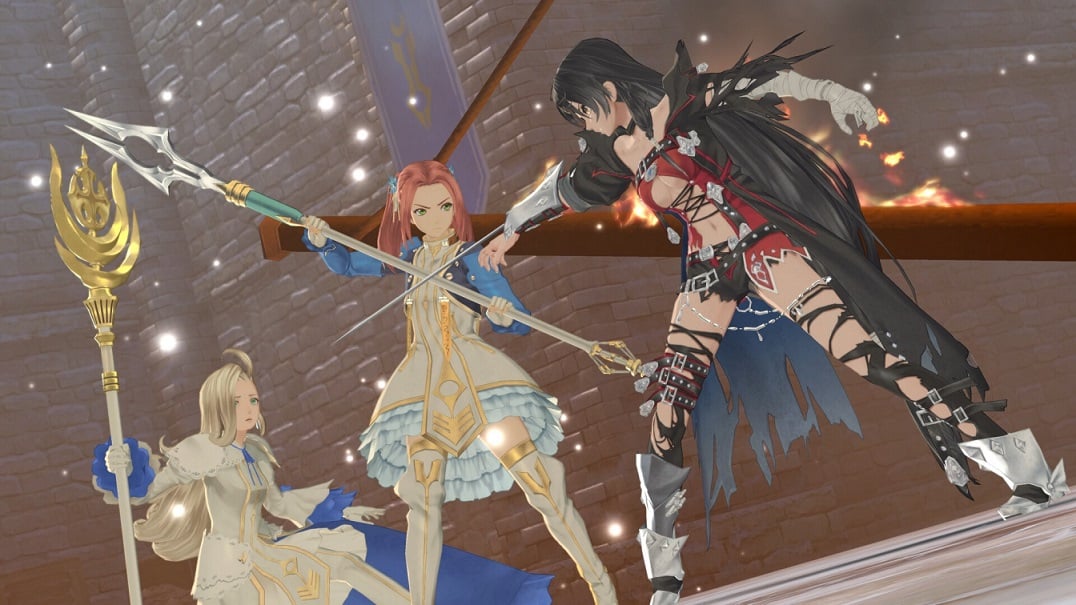
Following the announcement of Tales of Berseria Remastered, Bandai Namco and D.A.G. Inc. have released an extensive list of the changes they made to the original game on its official webpage. Amidst the sea of welcome adjustments (the increased default walking speed and more intuitive HUD icons are much appreciated), it seems that some sections will use the “censored” content featured in the international version of the original game, as opposed to the “uncensored” Japanese version.
Note that spoilers for Tales of Berseria follow.
As spotted by Game*Spark, the example given by the game’s website features the scene where Laphicet, a young malak child who serves as the game’s deuteragonist, is impaled by Artorius Collbrande. While the original Japanese version showed the scene in its full, uncensored state, the international version shows Laphicet getting attacked by a cross-shaped beam of magical energy.
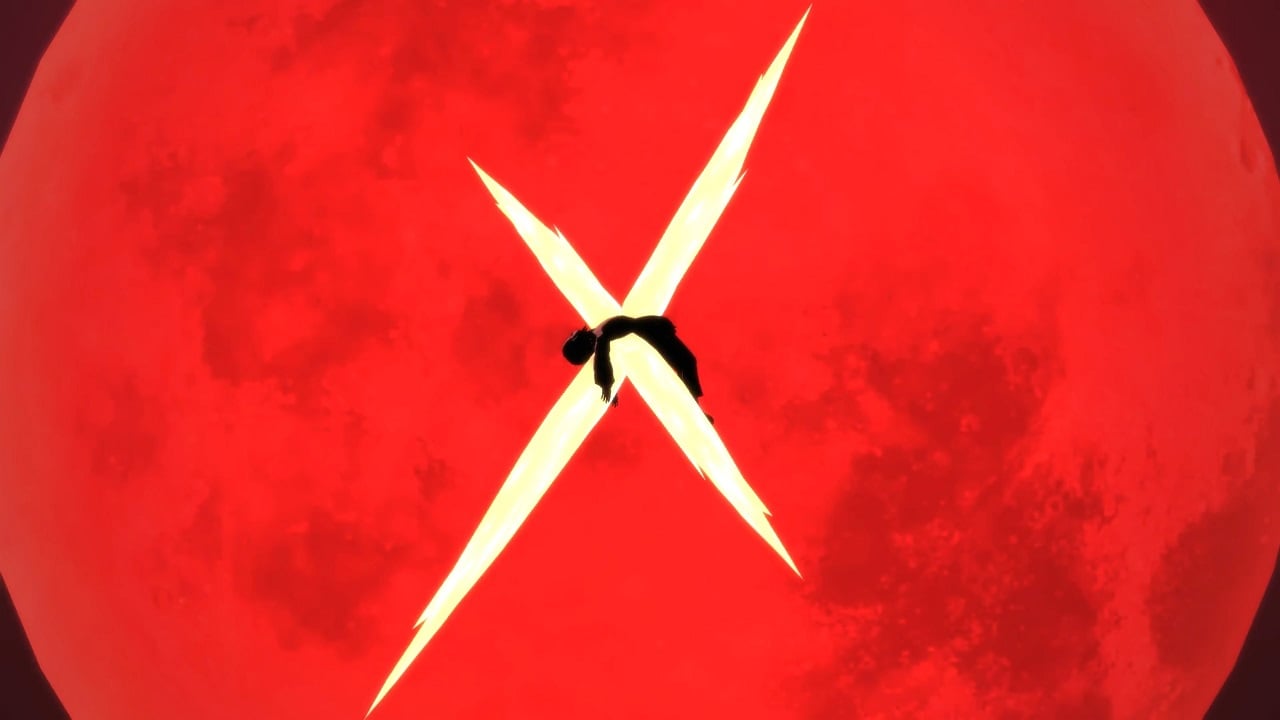
Back when Tales of Berseria released in 2016, Bandai Namco altered several scenes in the international version to keep its Pan European Game Information (PEGI) 16+ rating. Seeing as the remaster will be simultaneously released around the globe next year, it seems that the publisher is keeping some of the content of the original’s international version so as to keep it fair between both the Western and Japanese fanbases.
Tales of Berseria Remastered is set to release on February 26, 2026 for the PlayStation 5, Xbox Series X|S, Nintendo Switch, and PC (Steam).
Related:
Tales of series producer reveals that less than 10% of players are newcomers in recent titles

Sadly this has been a thing since the PS1. When a new game releases in Japanese and Global usually Global version has much more development time and fixes while also sadly censoring the games and butchering translation. What this means is whenever a remaster comes out of an older game both Japan and English do get the censored product at the same time including Global as everyone gets the American version. This has been true with Xenoblade Chronicles X as it was for Tokyo Mirage Sessions. This is because it’s considered cheap, easy and efficient than trying to implement the same fixes from English into the Japanese version.
I will say it’s why I did not buy this game or XCX at all. Censored products are just living in a world of 4kids still in the video games industry. Hopefully Japanese companies learn to make products become 1:1 overseas as it is with the Japanese version for the future without listening to Censors and Translators.
Reconsider. I initially enjoyed the international version of the scene, and feel it’s more aligned with Tales as a whole. However, in the grand scheme, it’s an exception to my usual opinion. I don’t think it makes a huge difference, because a lot of the creative process is just finding solutions to limitations (be it technical or imposed.) So given this kind of release is a bit of a line in the sand, as the limitations were imposed (huge issue, but maybe not for this), I can’t help but wonder if this will impact future policy or guidelines, and hope the decision works out.
Insuring no one that takes Cambridge with censorship buys the remaster, I see. What are ratings for?
Not to be mean or rude but I hate censorship. I will not buy this now that I know it will be censored. I don’t understand why they can’t just leave it uncensored and just rate it mature. Censorship ship ticks people off. Especially me. I don’t trust Bandai Namco anymore. They don’t understand that video games have ratings. If a game is rated mature its rated that for a reason
I now will never buy any games this company makes or mastered ever again because I don’t trust them to release them uncensored in the west and so on.