Japanese mobile game developer KLab (known for Bleach Brave Souls and Captain Tsubasa: Dream Team) announced on December 5 that it will raise roughly 5.1 billion yen (over $32.7 million USD) through a private placement (selling stock shares directly to chosen investors). As a result, a UAE-based investment firm has become the company’s largest shareholder.
Despite the enduring success of Bleach Brave Souls, KLab has in recent years seen deteriorating performance, with titles like Love Live! School Idol Festival being shut down; and the delay of EA Sports FC Tactical causing financial losses for the company. To improve its situation, the developer attempted to downsize its workforce earlier this year through voluntary redundancies, but was only able to downsize by 47 employees, less than half of its target.
Now, KLab has announced a capital and business partnership with UAE investment firm Ultimate Classic Investment, as well as Japanese company Sun Asterisk, which provides IT and creative services. KLab also resolved at its December 5 board meeting to issue new shares via third-party allotment to these two firms along with Sixth Sense Holdings and JT Financial, and to issue its 23rd series of stock acquisition rights to Ultimate Classic Investment and JT Financial. Through these issuances, the company expects to raise 5,111,547,500 yen.
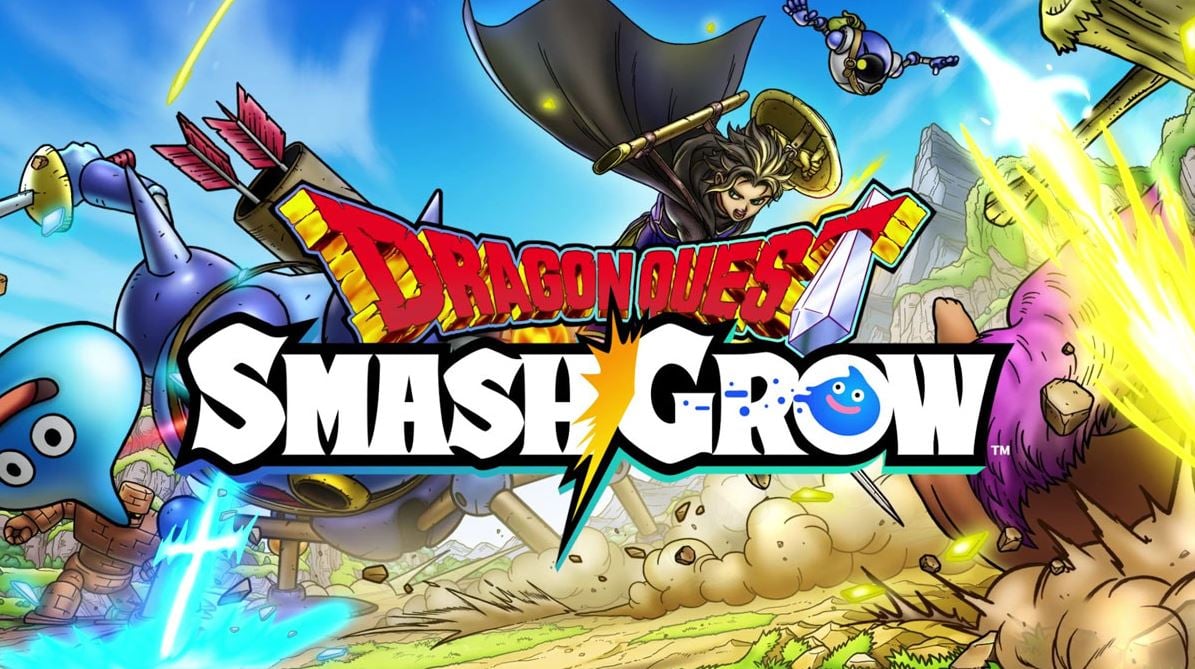
As for how the money will be used, between December 2025 and December 2026, about 1 billion yen will go to designing, developing, and operating new large-scale mobile online games, including Square Enix’s roguelite RPG Dragon Quest Smash/Grow and a new My Hero Academia Game. About 500 million yen will be spent on new business development; and 3.6 billion yen (over $23 million USD) will be used to purchase Bitcoin and gold (including ETFs).
Following this investment, KLab’s shareholder structure has undergone big changes, with UAE-based Ultimate Classic Investment now holding 23.15% of shares and becoming the largest stakeholder. As part of the partnership, KLab plans to appoint Sheikh Salem Khaled Humaid Mohamed Al Qasimi – royalty of the UAE Emirate of Ras Al Khaimah – as an advisor.
KLab’s CEO Tetsuya Sanada reflected in a Facebook post that when he was reinstated in March this year, the company’s remaining cash-on-hand was nearly gone, and he was gripped by fear that it might not survive until the announcement of its next game. Even after redundancies, downsizing office space to less than half its previous size, and selling off assets, KLab was facing a cash shortage. He continued searching for an investor willing to take a long-term position, which ultimately led to this partnership. “I finally feel liberated from the overwhelming anxiety. This mix of fear and accomplishment is a thrill only startup CEOs know. Hopefully this will be the last time though (lol),” he commented.