

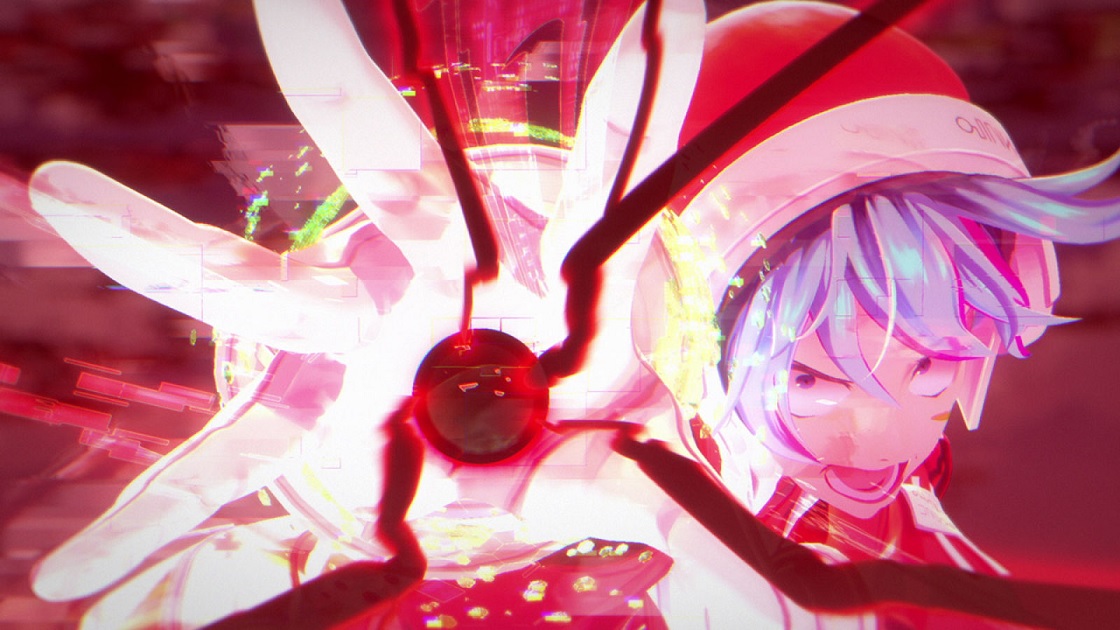
While promoting his company’s recently announced .hack//Z.E.R.O in an interview with Denfaminicogamer, CyberConnect2 CEO Hiroshi Matsuyama declared that the manga serialized in Weekly Shonen Jump Magazineare what fuels his creative drive to innovate and expand the studio’s output.
“In the 1990s, there was a period when Dragon Ball, Slam Dunk, Rurouni Kenshin, Yu Yu Hakusho, and JoJo’s Bizarre Adventure were being published simultaneously in each issue,” Matsuyama stated. “At the time, people would say things like ‘When Dragon Ball ends, no one will read Jump anymore,’ or ‘Jump’s going to lose all its readers once Slam Dunk is over.’ But did they actually stop reading it?” Matsuyama went on to list several of Jump’s hit series since the conclusion of those titles, including One Piece, Naruto, Demon Slayer, and Jujutsu Kaisen, explaining that Jump has been kept alive for so long precisely because it keeps introducing brand-new heroes and stories to their audience.

“New entertainment is always evolving. And yet, the entertainment of the past is eternal. It’s our responsibility as creators to provide readers and players with our latest works. That mentality will never falter, and I don’t think it’s likely that it’ll ever run dry,” said Matsuyama.
When asked about CyberConnect2’s recently announced entry into the film industry with their new branch CyberConnect2 Film, Matsuyama stated that it was born from his own passion for the medium. “Of course, manga will always be my favorite, but I enjoy films almost as much,” he said, claiming to watch between 300 and 350 movies every year.
The impetus for CyberConnect2’s expansion beyond the games industry, according to Matsuyama, was his belief that when seen from the outside, other industries such as publishing, anime, and film seem held back by traditional rules and values. “These things have caused people to suffer and led to unprofitable business models. I want to change things that make me think, ‘Aren’t you just doing this to protect your own vested interests?,’” he added.
One example Matsuyama gave was that of wages for animators in Japan, which have become a point of controversy in recent times. While he admitted that animators’ pay rates have improved as of late, he emphasized that this was still only the tip of the iceberg. Feeling angry with how behind the times these industries appeared to be, Matsuyama was filled with the belief that he and his company are needed to push them into the modern day.

Matsuyama cites his anger and frustration with the environment Japanese creators find themselves in as the driving force behind his projects, which he hopes will push the creative industry to change for the better. “In fact, I’m still angry at the game industry. I still have more anger in me (laughs).” He stated that his rage is a trait he’s had since childhood, which is also when he first discovered Shonen Jump. Matsuyama went so far as to suggest that it was Shonen Jump manga that taught him the power of anger and how it can fuel creative passion from an early age.
Following his first encounter with Ring ni Kakero (the breakthrough work of Saint Seiya author Masami Kurumada) in 1977 at the age of six, Matsuyama claims to have bought and read every issue of Weekly Shonen Jump Magazine published in the intervening 49 years, with no intention of giving up any time soon. Given CyberConnect2’s history of game adaptations of Shonen Jump titles, including the long-running Naruto: Ultimate Ninja Storm series, it should come as no surprise that these manga are what sparked Matsuyama’s creative drive.
Related articles:


The article’s title is unnecessarily negative… There is obviously more positivity, hope and joy in Matsuyama’s words
Get a life you fool geez hey what if they remade halo or legend of dragoon or grandai huh ?????