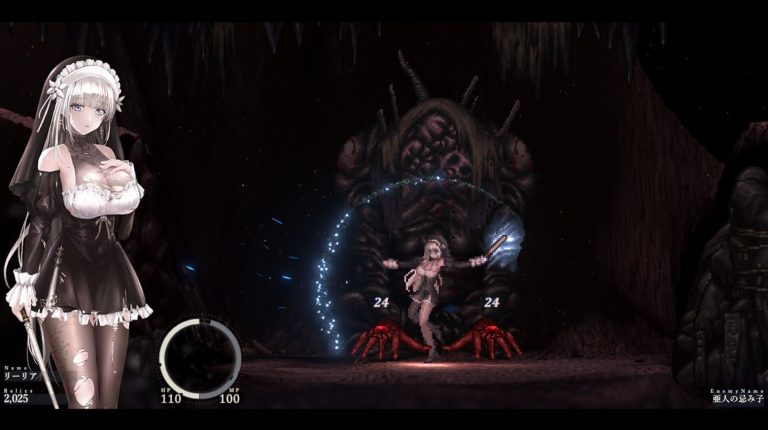
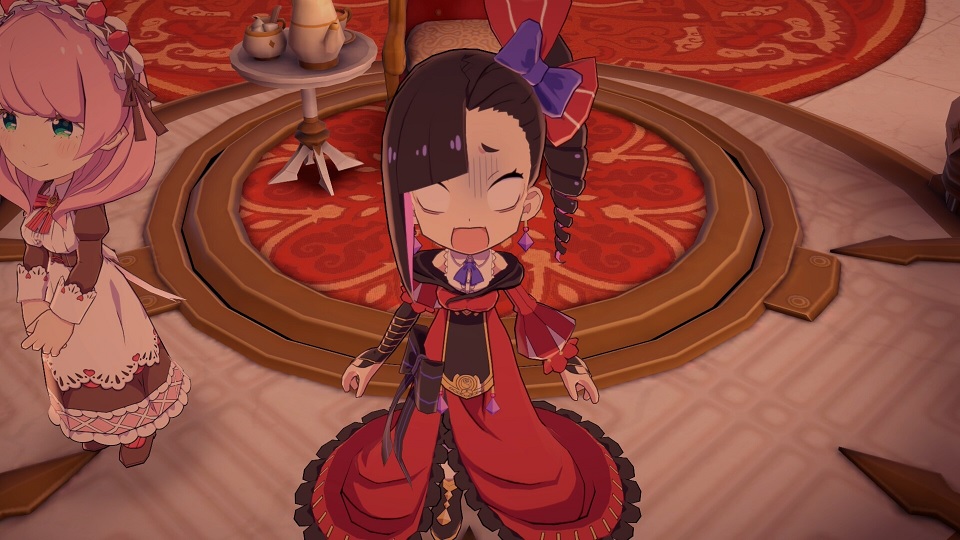
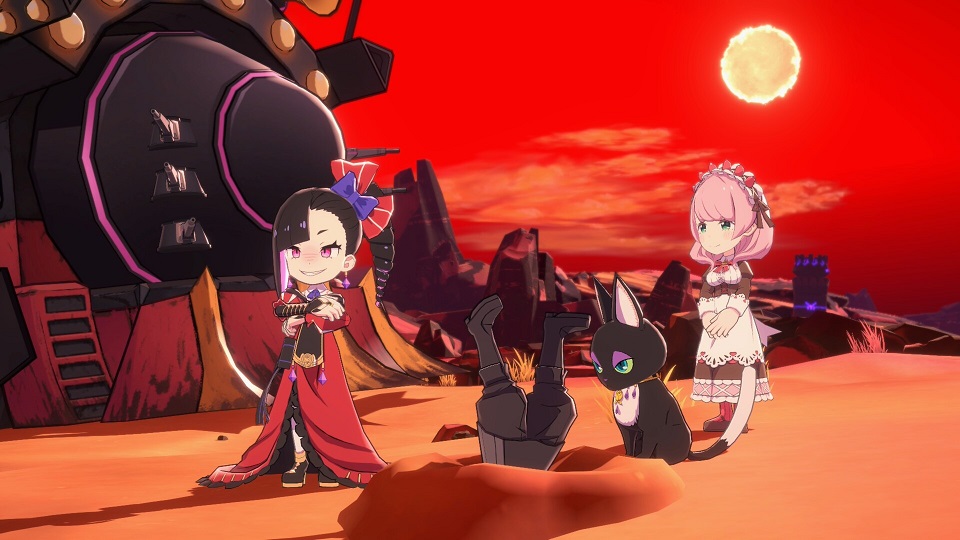
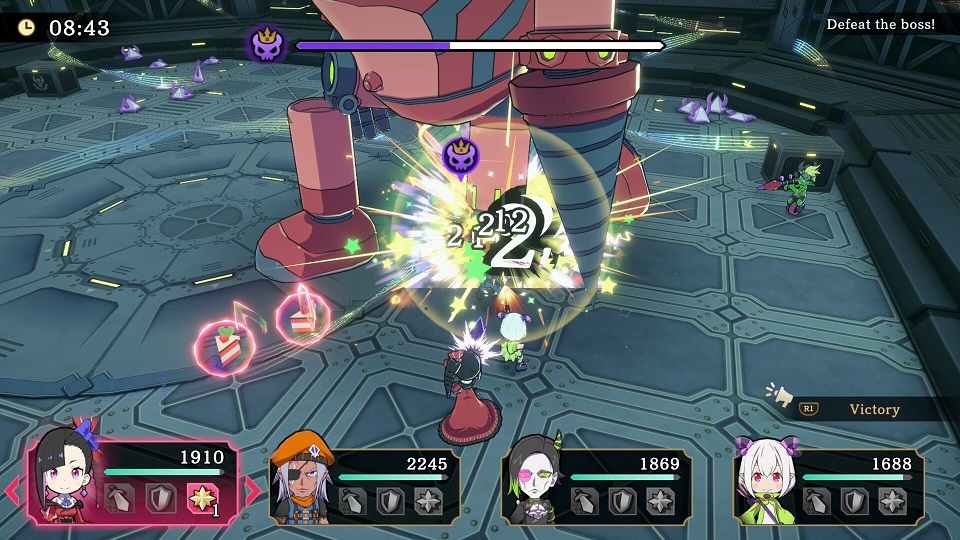
Japanese game studio SuperNiche, headed by former president of Nippon Ichi Software Sohei Niikawa, just released their new “sushi lane musical action adventure” Etrange Overlord for Nintendo Switch, PlayStation 5, PlayStation 4 and PC (Steam). In celebration of the release, Niikawa participated in an interview with Game*Spark, where he discussed the details of his new title, while also sharing his opinions on the current state of the game industry.
When asked how he feels about there being less prolific “auetur” developers in the scene, like Hideo Kojima, Suda51, SWERY, and Kenji Eno, Niikawa suggests that this might be due to the “corporate” nature of the video game industry. “That’s a bit unfortunate, to be honest. To put it in my own words, I feel like the salaryman-ification of creators keeps progressing,” he says. For context, a “salaryman” in Japan refers to white-collar workers, employed at large corporations, who stereotypically prioritize work over anything else and are subservient to their organization.
Compared to the production of films, anime, manga and music, Niikawa explains that the video game industry has a much tighter corporate framework for tackling projects, relying on staff who work as full-time company employees. To illustrate, he notes that, for example, manga artists are not “working under” a publisher, and they compete on a project-by-project basis. This means that even if the project ends up failing, they can easily move on to the next thing while still pursuing what they truly believe is “the right thing.”
On the other hand, when you’re a developer who works for a company, various other factors, like company policies and decision-making, as well as profitability, come into play, making it more difficult for “individuality” to come through. “The fact that AAA titles all tend to take a similar creative direction, and the fact that we keep getting more and more sequels might not be completely unrelated to this, I believe. So, if you’re looking to take on a bolder challenge, going indie or establishing your own company probably allows for a much higher degree of freedom after all,” Niikawa adds.
That being said, with triple As and indies being two extremes, Niikawa believes that the way mid-sized companies approach creating new titles will be a crucial point for the future of Japan’s game industry. “Of course, I understand that there are business circumstances and conditions due to which [businesses] have no choice but to play it safe. But if they play it too safe, there is a high chance that they will eventually decline.”
Mentioning how the global scene has got more competitive, especially with studios outside of Japan showing rapid improvement in technical capabilities, Niikawa believes that this is the time for domestic developers to start getting more proactive. “Japan has the fertile ground to create more new content, and I think it’s a bit of a shame that the game industry is leaning towards playing it safe. So my honest opinion is: why don’t we just go all out and play the offense.”
“Of course, I’m not trying to say that the ‘salaryman-ification’ is a bad thing. It’s extremely important to be able to work in a stable environment and also take care of your personal life and family. However, speaking purely from the perspective of ‘creating things,’ balancing the two is not easy.”
Etrange Overlord is available for the Nintendo Switch, PlayStation 5, PlayStation 4 and PC (Steam).
Related articles: