Linking game development and manga expertise, a recent interview by Game*Spark examines what has contributed to the longevity of Nihon Falcom’s Ys series for nearly four decades, from the perspective of a veteran Weekly Shonen Jump editor. In particular, he talks about some of the game mechanics and narrative choices behind the series’ latest entry, Ys X, whose upgraded edition, Ys X: Proud Nordics, is set to release internationally in late February 2026. (Note that this article will include some spoilers of the game’s opening sections).
Fuyuto Takeda is a former Weekly Shounen Jump editor who personally managed Akira Toriyama’s Dragon Ball manga serialization as his third editor, and was also involved with the One Piece series. As someone who has been in charge of long-running serialized manga, he finds it remarkable that the Ys series has continued for so long since he encountered the first title. Drawing from his manga experience, he analyzes what Ys X does that is similar to shonen manga, and what it does differently.
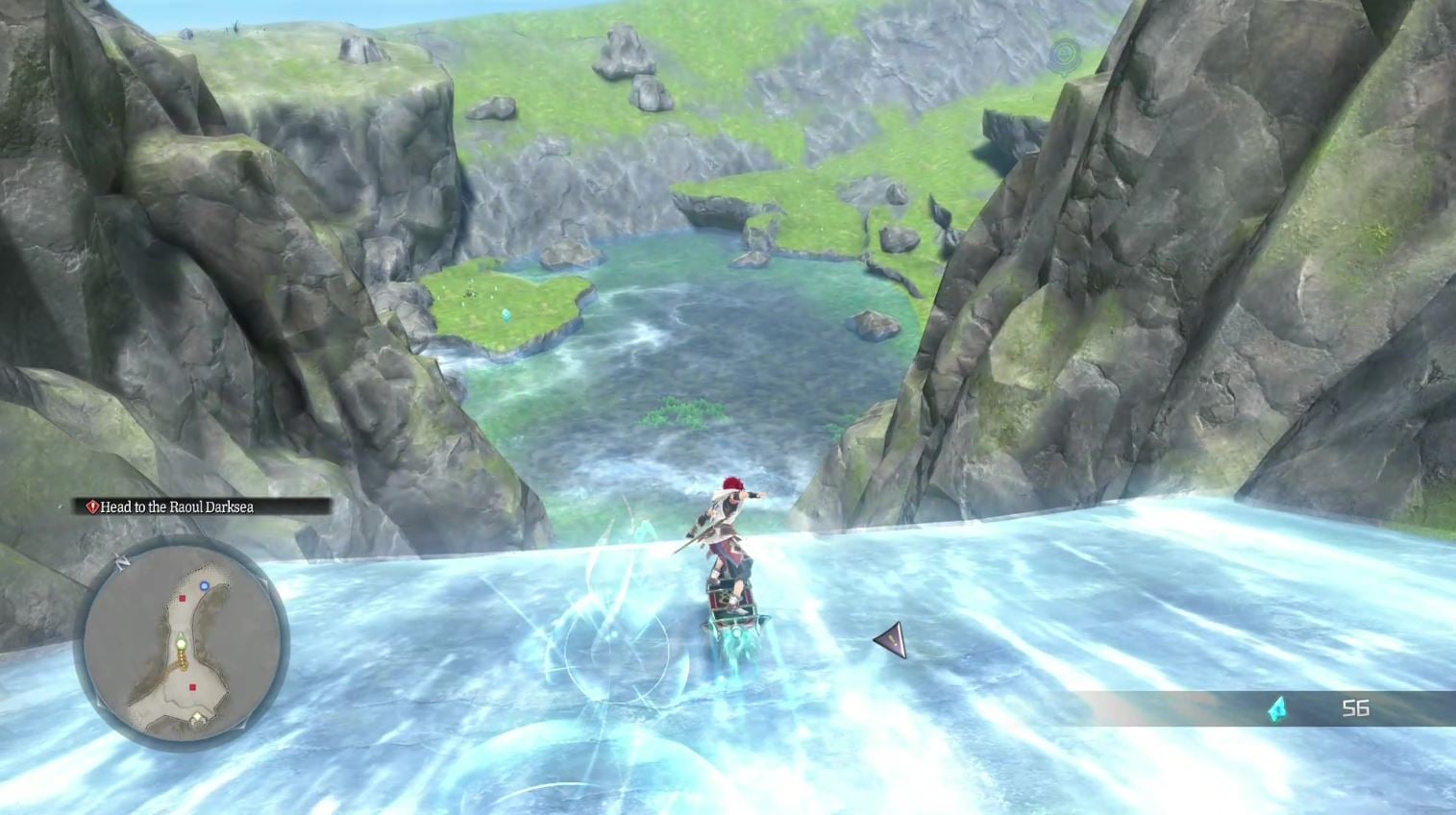
The first point Takeda touches upon is how manga titles begin. In the works he edited, he says that the “opening hook is crucial,” and that he has always worked “to ensure readers who only glance at the first few pages wouldn’t think that it’s boring and skip ahead.” But he also points out how difficult it is to create this hook in games. “Games are difficult because they must explain the system while telling the story. Manga doesn’t have that hurdle,” he says.
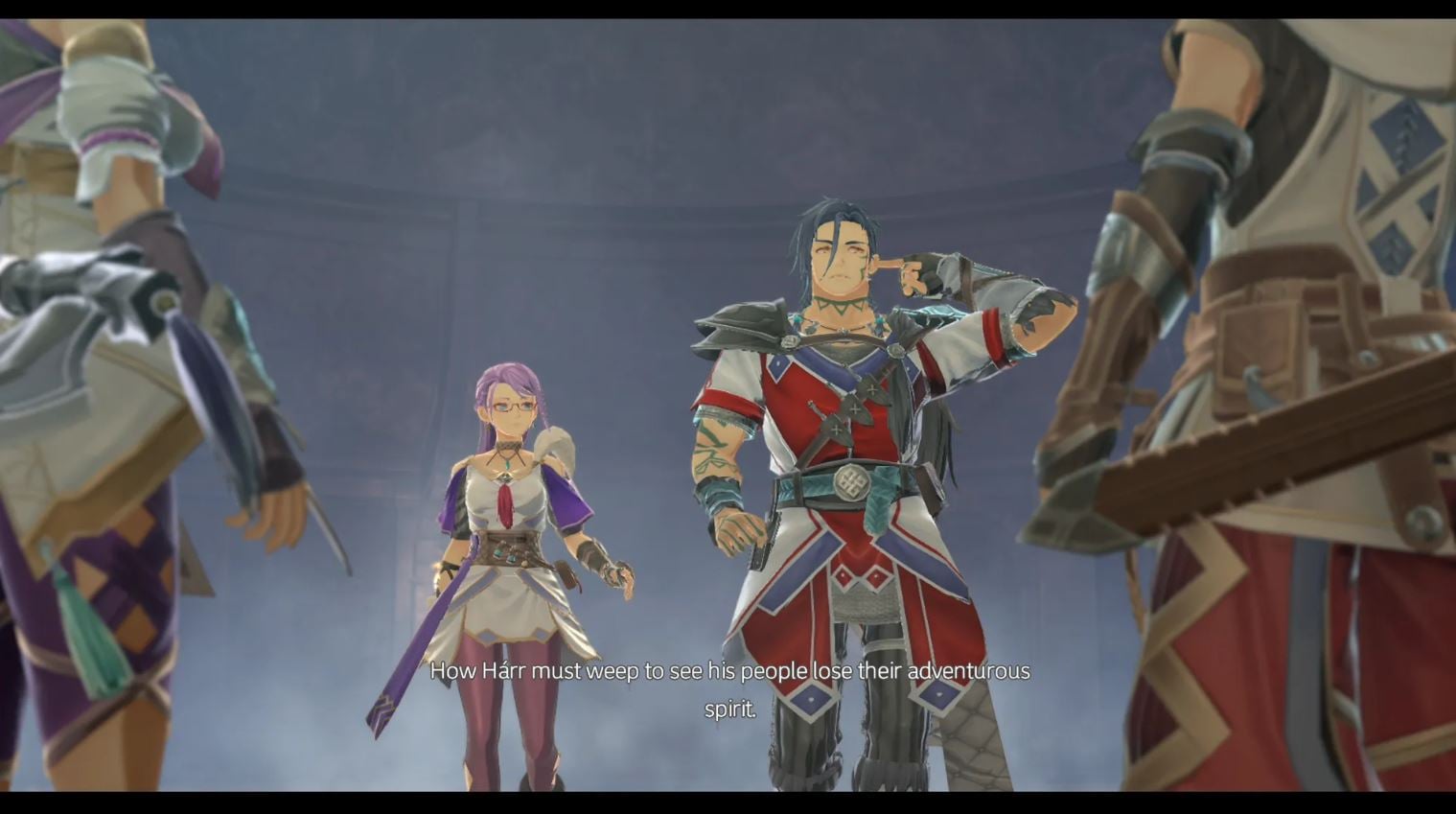
Takeda considers Ys X’s opening event, the execution of the ship captain LaSalle, a good opening scene that served to quickly convey the brutality of the heroine, Karja. He was also intrigued by the captain and his identity despite his early death, as well as the fact that the captain’s story is only told later, within a side quest, rather than the main story. “Since side quests are optional content, the more you play the game, the deeper your understanding of the story becomes. This is a technique unique to games that simply wouldn’t work in a manga,” in his words.
He further compared how the two mediums handle their protagonists. In his era, shonen protagonists needed loud, hot-blooded and righteous personalities to drive a linear plot, which in turn “limited them by design.” In contrast, Adol Christin, the main protagonist of the Ys series, has remained famously quiet in most of his adventures, and Takeda feels that this is a deliberate “game design choice that allows players to project themselves into the story,” with dialogue only appearing in response to the player’s choices, which makes “the player’s actions themselves become Adol’s actions and will.”
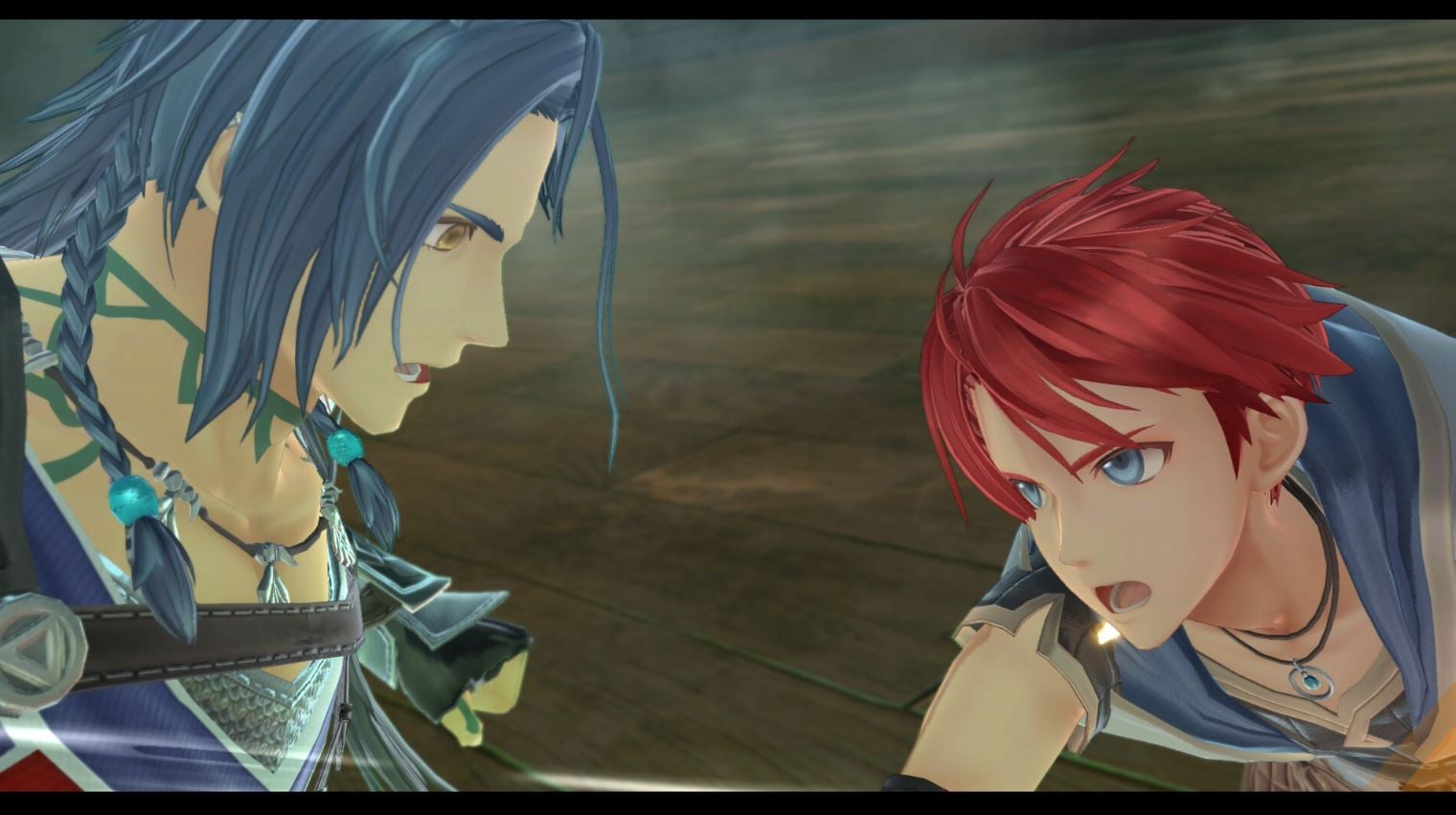
Takeda also comments on the appearance of the new character, Canute Gamley, in the Ys X: Proud Nordics version, who is set to act as a rival to Adol and Karja or an obstacle for them to overcome. Takeda has always seen rival characters who spur the protagonists’ growth as crucial elements of storytelling. “When starting a new manga, I think about rivals from the very beginning. I often prepare characters who are polar opposites of the protagonist or hold different values. Then, through the relationship between the protagonist and their rival, I consider “what aspect of the protagonist do I want to show?” he says.
Takeda acknowledges Ys X as a game that prioritizes characters, and thinks that’s what’s common between the game and the manga he works on. When approaching pitches for Shonen Jump, he would first think about the characters and how their traits should be portrayed, while the story would be secondary to this objective. And he feels that Ys X is the same, in that it “doesn’t feel like it started with ‘I want to make this kind of story,’ but rather conveys the intent of ‘I want to depict what kind of characters the protagonist and the heroine are.’” He considers this to be another important part of good storytelling.
Ys X: Proud Nordics is set to release worldwide on Nintendo Switch 2, PS5, and PC on February 27, 2026.