
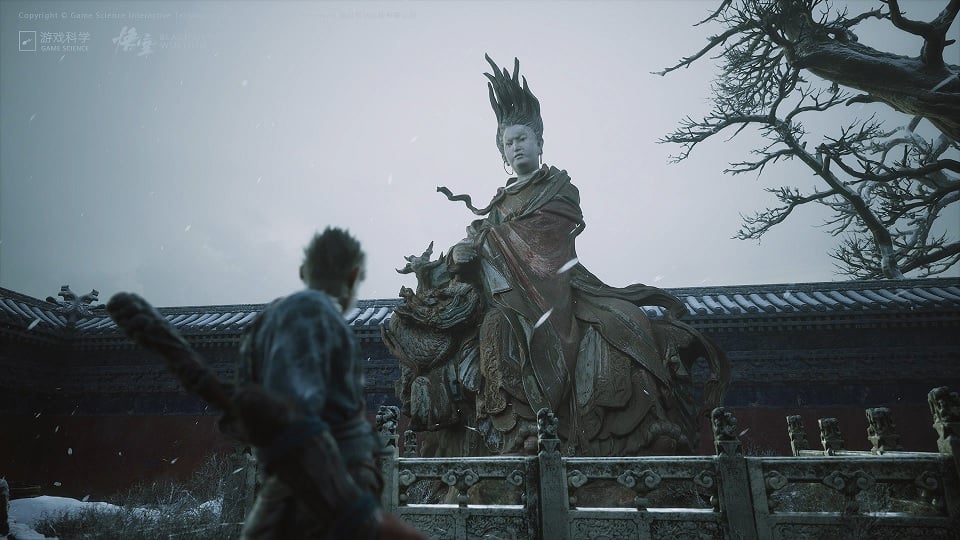
Back in 2024, Game Science came out with what many consider China’s first big blockbuster game, Black Myth: Wukong. The action RPG sold over 20 million units in the first month of its release, establishing itself as the country’s flagship AAA title. Its explosive success helped pave the way for the development of other upcoming domestic titles such as Phantom Blade Zero, which reportedly received extra funding in the aftermath of Wukong’s launch.
Interestingly, Black Myth’s impact managed to go beyond the game industry, and has contributed to significantly boosting national tourism. As reported by 4Gamer, the Shanxi province, which numerous locations in the game are based on, is seeing a great influx in tourists, so much so that the phenomenon was nicknamed “player to tourist conversion” in China.
At the recent China Game Industry Annual Conference, Qingping Gao, CEO of a Shanxi tourism organization and Xuejun Xuan, curator of the Black Myth: Wukong art exhibition, shared insights into the cultural boom followed by the game’s success, including specific figures.
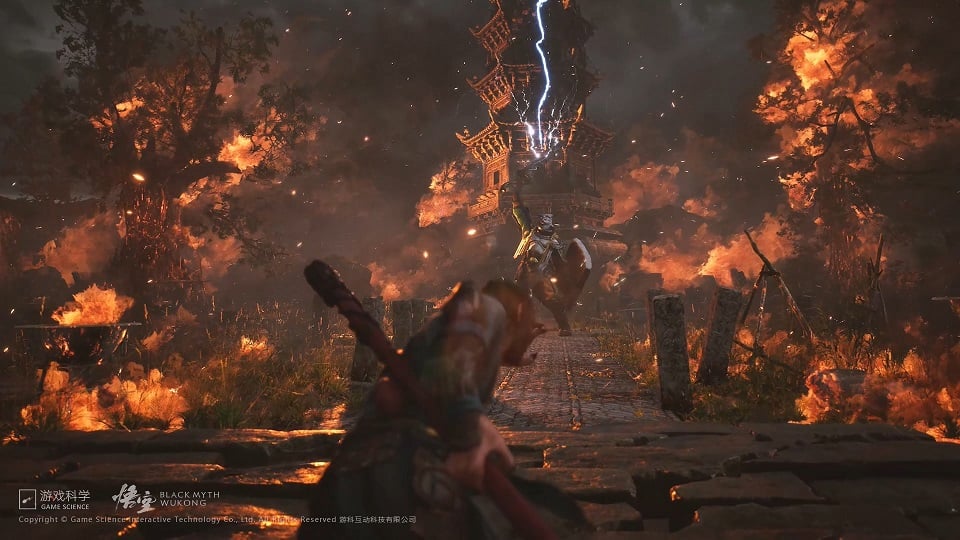
Black Myth: Wukong features 36 real-life locations, 27 of which were heavily based on the cultural heritage and historical sites of the Shanxi province. According to Gao, revenue from ticket sales of the aforementioned historical sites skyrocketed just two months after the game’s release, reaching over 160 million yuan (about $22.7 million USD). Furthermore, the game’s release was followed by the flourishing of other related industries, boosting revenue from accommodation, food and beverage, transportation and retail.
Gao explains that the immense popularity of the game was not confined only to online spaces, becoming legitimate motivation for tourism. According to the statistics presented at the event, the number of online searches for “Shanxi tourism” increased by over 3178% year-on-year, with over 40 billion views on social media pages related to the topic. As one of the main motives for such steady development of tourism in the region, Gao cites the quick action of local governments and cultural tourism organizations who picked up on the game’s success early on and designed new tourism policies around it.
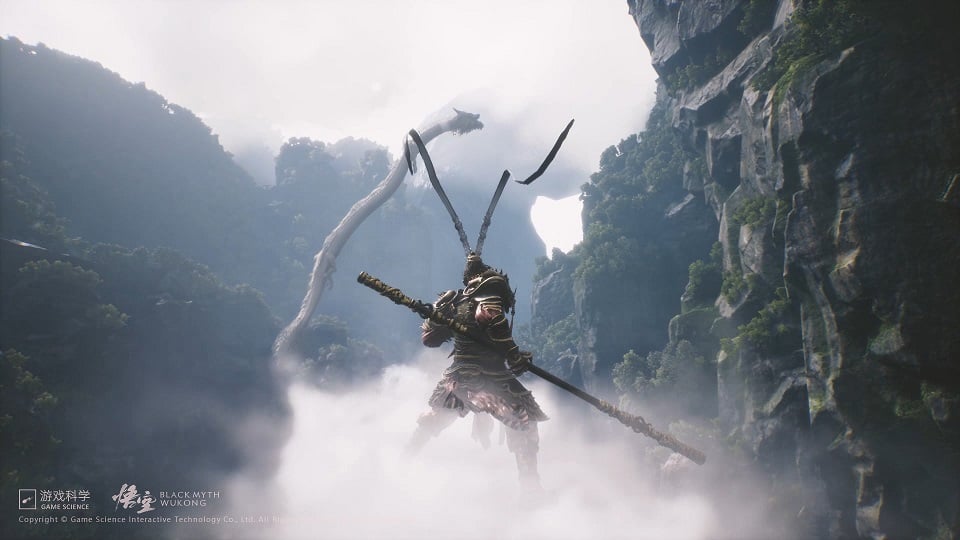
On a related note, the Black Myth: Wukong art exhibition, which took place at the Art Museum of China Academy of Art in Hangzhou from April to July this year, saw record numbers of visitors. Apparently, it was originally scheduled to be open for around 40 days, but the period ended up being extended to 108 days due to overwhelmingly high demand. Furthermore, because of such circumstances, the number of visitors was also limited to around 4,000~6,000 per day, but the event still saw an overall 450,000 attendees throughout its 3-and-a-half-month runtime. According to the data presented, around 80% of overall visitors were under 18 years old. More than half of overall visitors also stated that this was their first time visiting an art exhibition. Based on the data, Xuan suggests that this could be an example of a video game IP helping make public cultural facilities like art museums more approachable to the public.
Related articles: