A swimsuit or flirtatious eyes aren’t automatically a violation. Forza Horizon 6 developers clarify livery moderation standards following itasha ban controversy
Playground Games has provided data on how many players are actually affected by penalties and explained its moderation standards.

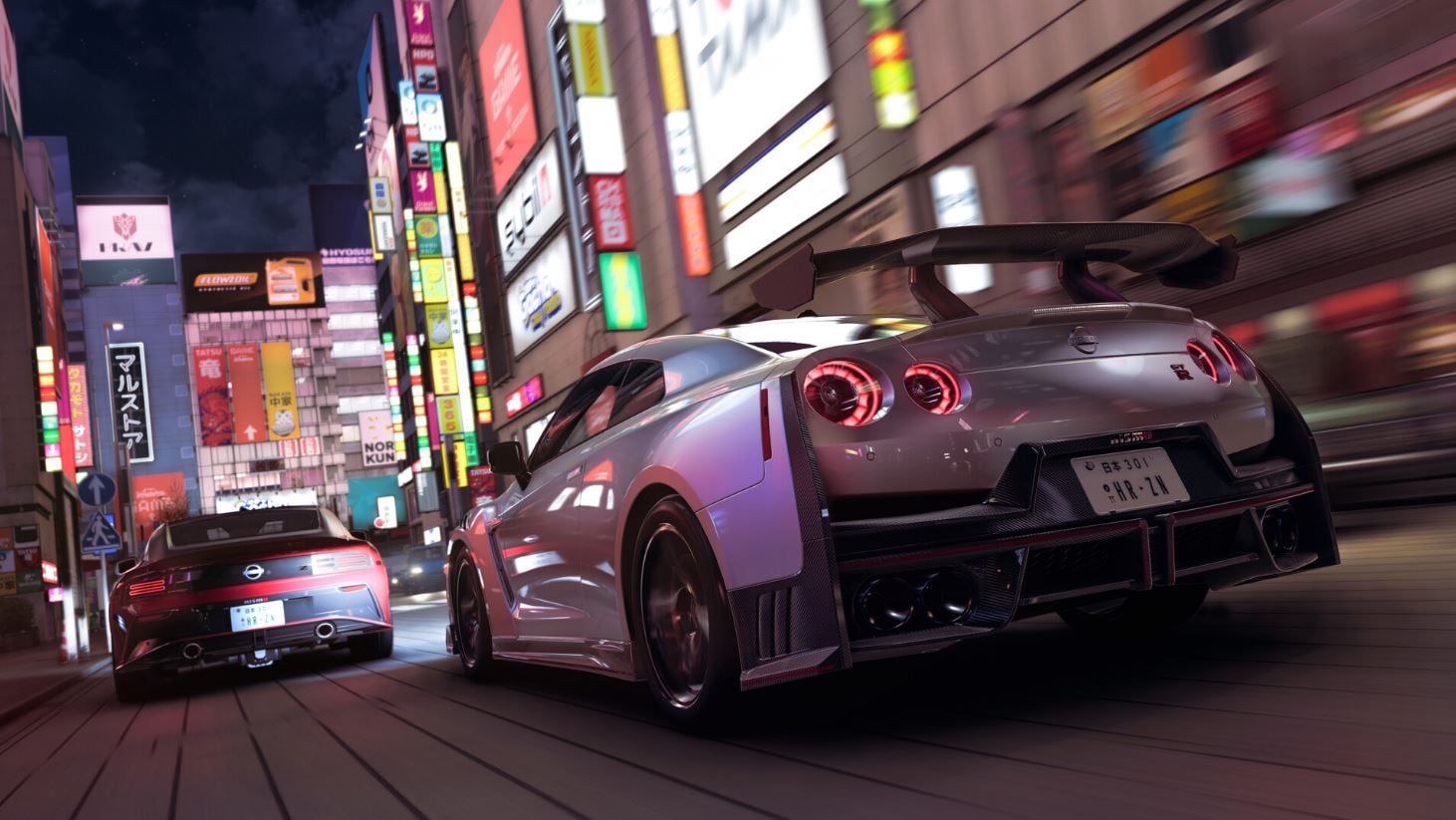
Playground Games released a statement on November 26 addressing dissatisfaction surrounding its moderation of user-generated content – particularly “itasha”-style liveries – in Forza Horizon 6. Published via the Forza Horizon blog and on Steam, the statement provides explanations of the developers’ criteria and methods when moderating content, as well as statistics on how much user-created liveries are actually impacted by penalties. The statement is similar to a post that was shared to the game’s Chinese social-media channels in October and deleted shortly after, albeit with some differences and extra clarification.
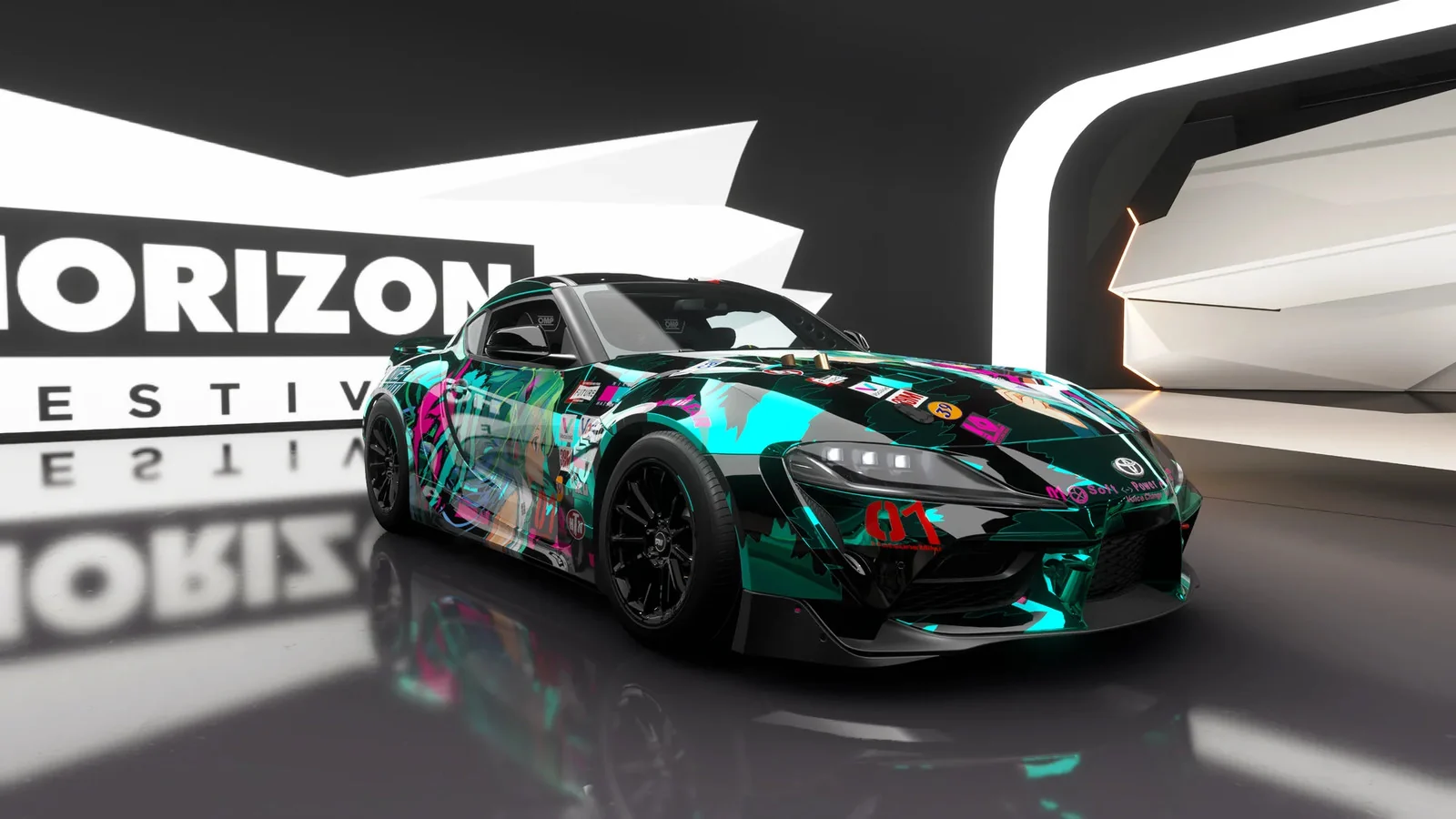
Earlier this year, players of Forza Horizon 6 reported an apparent new wave of bans targeting users who create itasha and anime-style liveries, with some expressing frustration over allegedly being banned over designs that they had never shared with other players. The situation eventually escalated into speculation about penalties being issued without human review, with dissatisfaction among Japanese players and anime fans mounting.
In the new statement, Playground Games emphasizes that it considers itasha an important part of Japanese car culture and creative expression, and acknowledges that there has been some frustration in the playerbase regarding its moderation decisions.
For the period between September 16 and October 15, the developers explain that more than 12.5 million pieces of user-generated content had been created, while only around 14,000 had been reported, amounting to around 0.1% of the total. Only 3% of those reports resulted in disciplinary action, affecting fewer than 500 players. Among them, 60 players received permanent bans for depicting full nudity and repeatedly violating existing guidelines on sexual content.
Playground Games goes on to explain that due to Forza Horizon 6 having different age ratings across different regions (including an E for Everyone rating in North America), it has to make sure the game is age-appropriate even for the youngest layers of the playerbase, which creates challenges when setting standards for UCG such as itasha.
When it comes to the moderation process itself, the developers state that when content is reported, a human moderator reviews it. AI does not automatically remove designs or ban players, and the number of reports a design receives does not affect the outcome. Immediate bans can be dealt out in cases of sexually explicit or extreme content due to the previously mentioned age rating requirements. However, in most cases, players are first given warnings, with their histories also being considered before a penalty is decided on.
Regarding itasha designs specifically, Playground Games states that explicit nudity, sexual acts and other explicit sexual content is prohibited. When it comes to non-explicit designs, comprehensive decisions are made based on the following factors:
- Overall presentation: We consider the character, clothing, expression, pose, and setting together. Multiple factors are considered when determining whether or not a piece of content is inappropriate. Characters who look like children must never be shown in a suggestive or sexualized way, even if they are of adult age in the source material.
- Facial expressions: An open mouth, protruded tongue, or flirtatious eyes by themselves aren’t automatically a violation. Therefore, we look at whether the overall expression and depiction are sexually suggestive.
- Clothing: Swimwear and revealing clothing aren’t inherently prohibited. We consider the setting, the level of exposure, and whether the design deliberately emphasizes sexual content.
- Setting: Context matters, so a character wearing a swimsuit at the beach, for example, is different from an explicitly sexual depiction.
- Pose and framing: We look at gestures, body positioning, and camera angles, including whether they suggest sexual activity or deliberately emphasize intimate body parts.
- Props: Objects, text, and other details can affect how a design is interpreted, particularly when they introduce sexual references. Examples of sexually inappropriate or suggestive objects include toys, handcuffs, fluids, and so forth.
These moderation standards apply to private or unshared liveries as well, considering they can still appear to other players via Drivatars in single-player or multiplayer, the devs explain.
While the Chinese-language statement from October garnered criticism for implying that imagery such as “glassy eyes” and “parted lips” constituted sexually suggestive content, this new statement appears to put a greater emphasis on clarifying that moderation decisions take various visual factors into account rather than zeroing in on isolated elements of a design. The developers also recognize that judgement is ultimately subjective and requires cultural and artistic context, commenting “this is an area where we know we need to improve.”
Going forward, PlayGround Games promises to provide players with clearer rules and in-game messaging, as well as improve its appeal system for affected players.

Amber V
Articles: 1673Related Posts