Holding the #001 spot in the National Pokédex, Bulbasaur is as old as the franchise itself, but the recent release of Pokémon Pokopia has revolutionized how fans in Japan view the Pokémon. What started out as a few people going “Doesn’t Bulbasaur feel a bit like a gyaru in Pokopia?” at launch has since exploded into a collective headcanon in the fanbase, spawning a wealth of fanart depicting Bulbasaur as a bubbly, preppy schoolgirl.
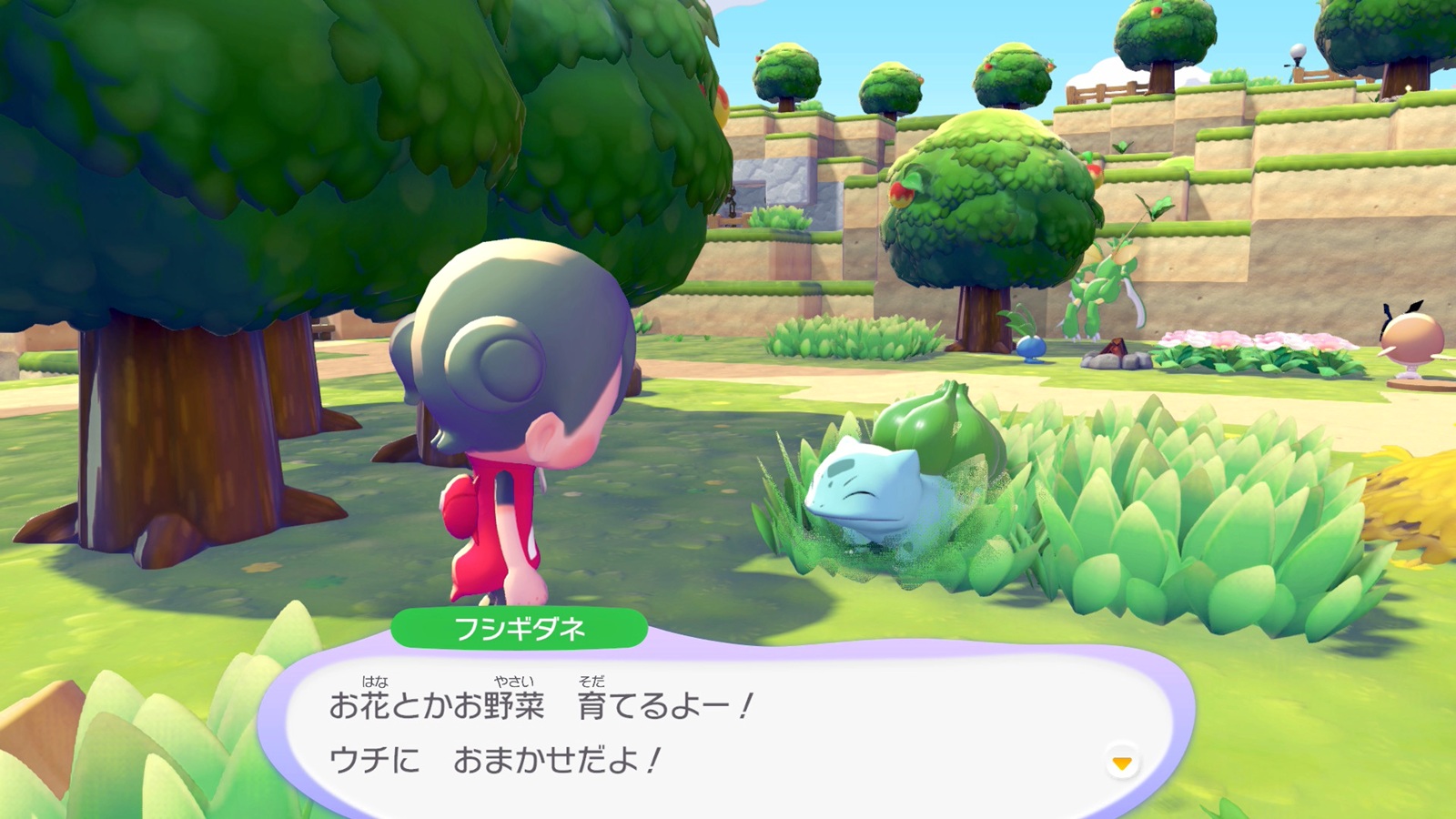
The reason for this stems from the way the Pokémon is characterized in the franchise’s new life-sim sandbox title. In Pokémon Pokopia, only one Pokémon of each species is represented, but the game goes to great lengths to showcase their unique temperaments and personalities. While it’s not so apparent in the English version of the game, this also applies to the Pokémon’s speech patterns and use of personal pronouns.
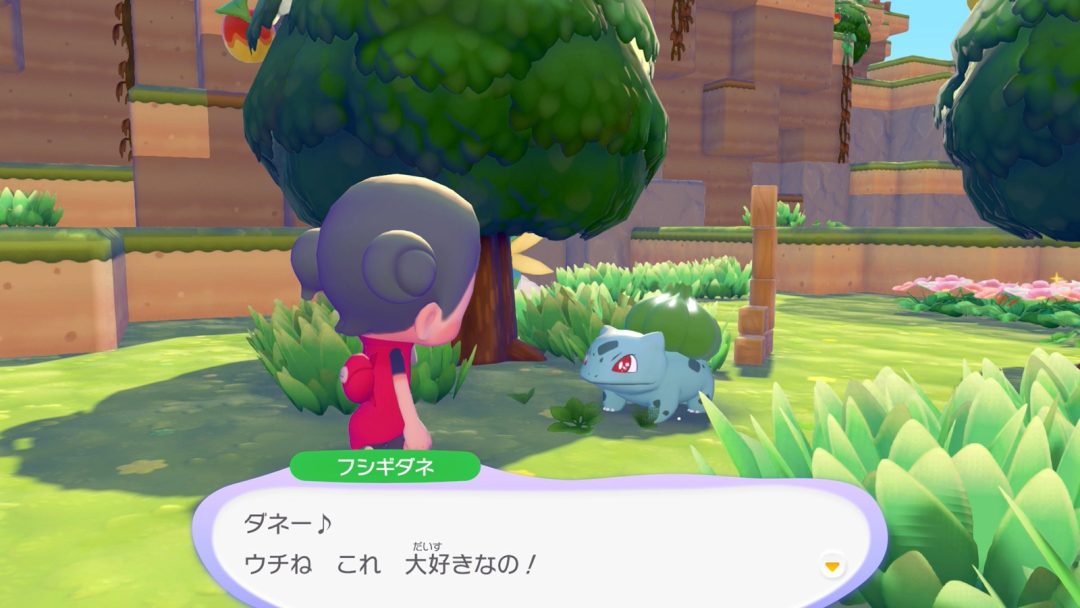
And when it comes to how Pokémon speak in Pokopia, Bulbasaur stands out among the rest for sounding not only feminine, but like a jolly gyaru character. To illustrate, Charmander uses the first-person pronoun “ore,” which is about as masculine and assertive as it gets, while Squirtle uses “oira,” which comes off as rustic and easy-going, but is predominantly used by male characters (Undertale’s Sans uses it in the official Japanese version). Bulbasaur, on the other hand, uses “uchi” a feminine pronoun that comes off as youthful and chill, often used by gyaru characters in fiction (think Momo Ayase in Dandadan).
Not only that, but Bulbasaur’s overall style of speech conveys a gentle and cheerful personality – frequenly using exclamation points and openly expressing emotions. For many Pokopia players, it seems the “finishing blow” that left them enthralled by the idea of gyaru Bulbasaur was the heart it forms using its vines when showing affection, which is reminiscent of the “finger heart” gesture often used by idols. Since the game’s launch, there’s been an increasing number of fanart depicting “gyaru Bulbasaur,” with anthropomorphized schoolgirl depictions naturally being the most popular.
It seems that the trend was largely popularized by an early illustration by Japanese artist ShinnotenP (who incidentally also ignited the short-lived “gyaru Slowpoke” headcanon with a previous piece of art). Their depiction of gyaru Bulbasaur has since amassed hundreds of thousands of likes, with many talented artists following suit with their own interpretations of the character.
Pokémon Pokopia is out now for Nintendo Switch 2.