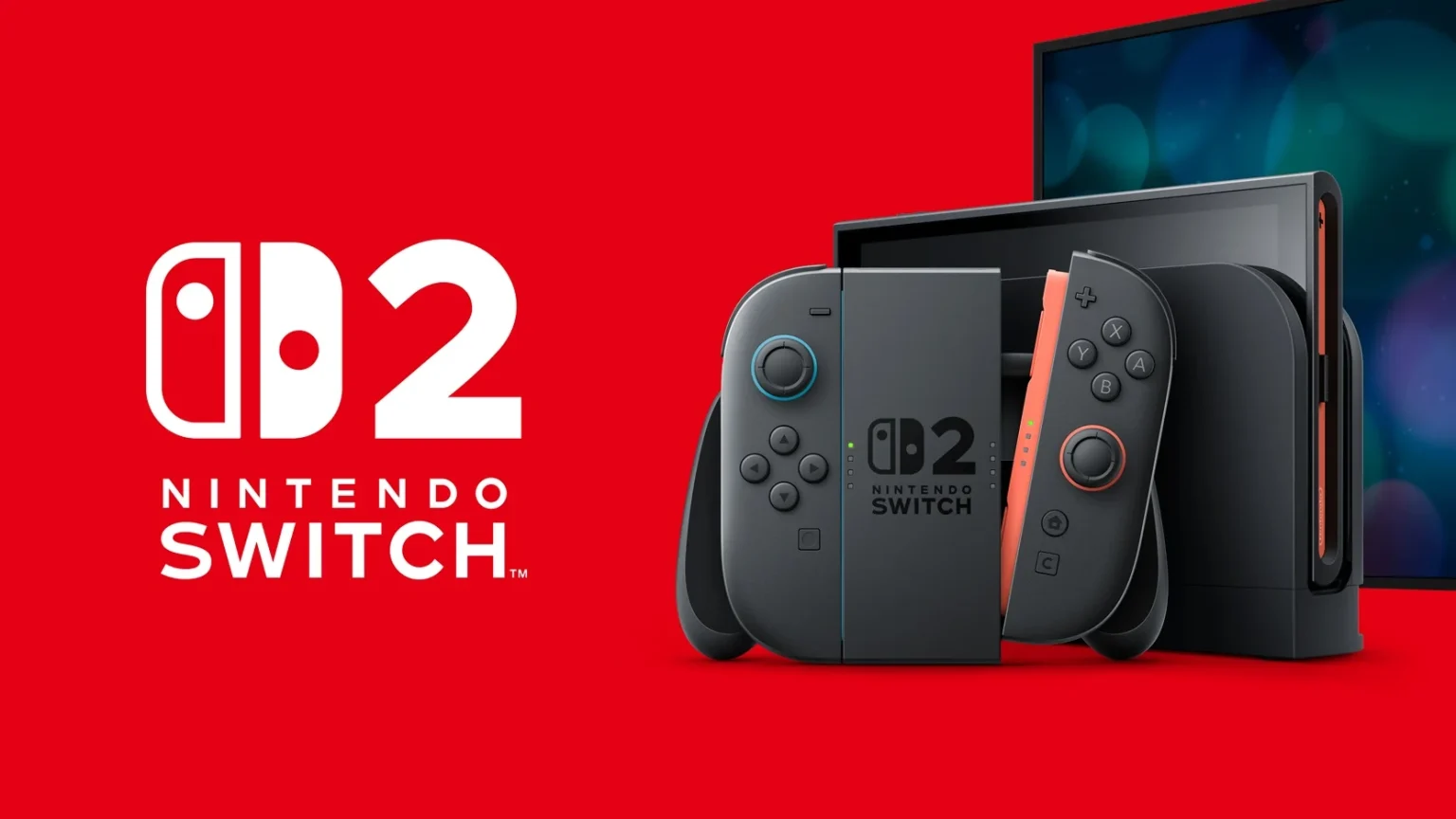
In Japan, the Nintendo Switch 2 launched with two distinct SKUs, one being a cheaper, Japanese-language only model sold at retail (for about $330 USD), and a non-region locked multi-language model sold through the My Nintendo Store (priced at about $450). According to Toyo Securities analyst Hideki Yasuda, the affordable SKU, which is the popular choice among Japanese consumers, is generating a significant loss for Nintendo, estimated at about 25,000 yen or $160 USD per unit.
Writing for Diamond Online, Yasuda analyzed Nintendo’s recently published financial results for the third quarter of the fiscal year ending March 2026. The company reported year-on-year growth in revenue and operating profit by 99.3% and 21.3% respectively, but Yasuda notes that the profit margin is lagging when compared to sales. He speculates that the reason for this is the Switch 2’s strong domestic sales.
In Japan, the console has sold 4.78 million units since launch, and while there’s no breakdown available between the two SKUs, Yasuda speculates that sales of the Japanese-language only model are bringing down the console’s profitability, and as a result, Nintendo’s companywide profit margins.
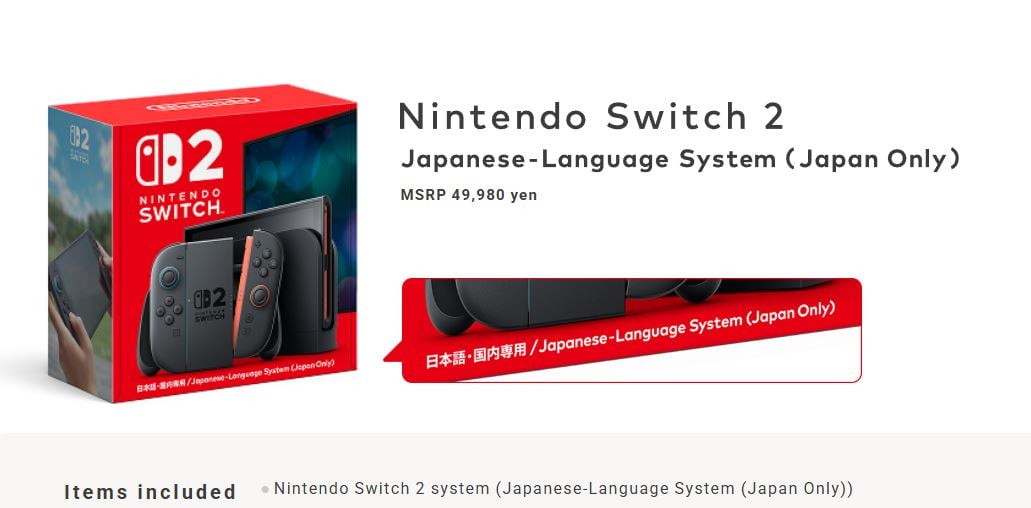
He estimates that the Switch 2 costs around $400 to produce, which includes approximately $300 for semiconductors, such as Nvidia’s GPU and memory (the prices of which have recently surged), over $80 for the battery and casing, and other costs including manufacturing fees. Assuming Nintendo’s wholesale price to retailers is about ¥41,000, this suggests a loss of around ¥25,000 per unit (about $160 USD). Additionally, he notes that Japan’s lower attach rates (number of software units sold per hardware unit) compared to Europe and America are another factor squeezing profitability.
As a result of manufacturing costs exceeding the selling price, Nintendo is seeing a widening “negative margin” in the Japanese market, Yasuda comments, with “profitability deteriorating further with every console sold.”
While Nintendo has yet to make any official statements on whether it will be raising the Switch 2’s price, a recent Bloomberg report claims that such plans are being contemplated for 2026 (via Polygon). Analyst Hideki Yasuda certainly seems to hope this is the case, commenting that “optimizing the hardware’s price is essential.” He believes Nintendo decided to price down the Switch 2 domestically due to an underlying industry belief that expensive consoles don’t stand a chance in the domestic market. However, he criticizes this belief as outdated and debunked, expressing support for a revision in pricing or the release of custom design models to boost the Switch 2’s profitability.
Japan’s console game market grew by 138.8% in 2025, driven by the Nintendo Switch 2